

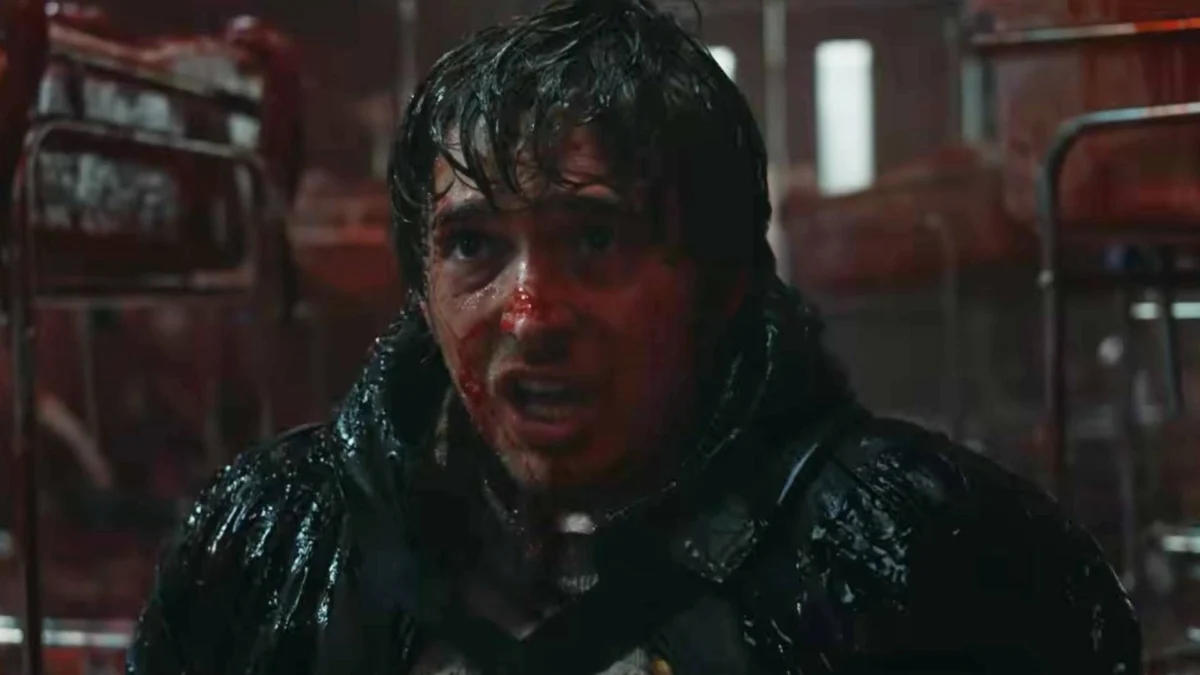
The halls of San Diego Comic-Con (SDCC) have long been the hallowed ground for major franchise reveals, but few presentations this year carried the palpable tension and visceral excitement of the upcoming Resident Evil reboot. Directed by Zach Cregger—the visionary behind the breakout horror hit Barbarian—the film promised a return to the franchise’s survival-horror roots. During a high-profile panel, Cregger treated fans to an extended look at the film, showcasing a sequence that prioritizes atmosphere, claustrophobia, and a grounded sense of dread over the high-octane stylings of previous cinematic iterations.
The footage, featuring Euphoria and The Walking Dead alumnus Austin Abrams, signals a significant tonal shift for the multi-billion dollar Capcom property. As the lights dimmed in the convention hall, the audience was transported from the sunny streets of San Diego to a freezing, desolate landscape where the line between life and undeath is dangerously thin.
Main Facts: A New Vision for Raccoon City’s Legacy
The primary revelation of the SDCC presentation was the confirmation of the film’s release date: September 18. This positioning places the film at the forefront of the fall horror season, a prime window for a franchise that has historically dominated the genre.
Key details emerging from the panel include:
- Director: Zach Cregger, whose attachment to the project has generated significant "prestige horror" buzz.
- Lead Talent: Austin Abrams stars as Bryan, a character who appears to be an everyman caught in the crosshairs of a viral outbreak.
- Visual Style: A departure from the glossy, CGI-heavy aesthetics of the Paul W.S. Anderson era, favoring practical-looking effects and a gritty, "on-the-ground" perspective.
- Theatrical Promise: Cregger confirmed that while the SDCC clip was edited for a general audience, the theatrical release will be "unfiltered," featuring more intense language and violence.
This new project arrives at a pivotal moment for video game adaptations. Following the critical and commercial success of The Last of Us and Fallout, the pressure on Resident Evil to deliver a narrative that satisfies both hardcore gamers and general cinema-goers has never been higher.
Chronology of the Clip: Minutes of Pure Tension
The footage shown at the panel was introduced by Cregger as a sequence occurring "early in the movie," designed to establish the vulnerability of the protagonists.
The Setup: Isolation in the Snow
The scene opens with a wide, haunting shot of a snowy field under the cover of night. The silence is broken only by the crunch of boots on frozen earth. Bryan (Austin Abrams) approaches a flipped police cruiser. The vehicle lies like a dead beast in the middle of the field, its headlights dimming. In a classic horror trope subverted by realistic execution, the passenger door has been left wide open, swaying slightly in the wind.
The Encounter: Building the Jump-Scare
Bryan, driven by a mix of desperation and civic duty, crawls into the passenger side to check on the officer. The camera remains tight on Abrams’ face, capturing the visible puff of his breath in the cold air. As he reaches for the officer’s pulse, the silence is shattered by the sudden, screeching static of the police radio. The jump-scare, according to reports from the room, elicited a collective gasp from the SDCC audience.
Bryan attempts to use the radio, his voice trembling: "Hello, I’m not a cop, so I don’t know what to say, but I have an emergency here. Can you hear me?" The lack of response only heightens the isolation.
The Reveal: The Undead Reimagined
As Bryan scans the interior for supplies or clues, the true threat emerges. A zombified woman appears outside the window. Unlike the shambling, slow-moving corpses of 1960s cinema, this creature is depicted with a predatory, animalistic quality. She begins to crawl around the car on all fours, her movements erratic and "creepy," as described by witnesses.
The Struggle: Realism Over Heroics
The sequence stands out for its depiction of Bryan’s incompetence with a firearm—a stark contrast to the superhuman aim of characters like Alice or Leon S. Kennedy in previous films. Bryan grabs the fallen officer’s gun and attempts to warn the woman. When she continues her advance, he tries to fire, but the gun remains silent. He has forgotten to disengage the safety.
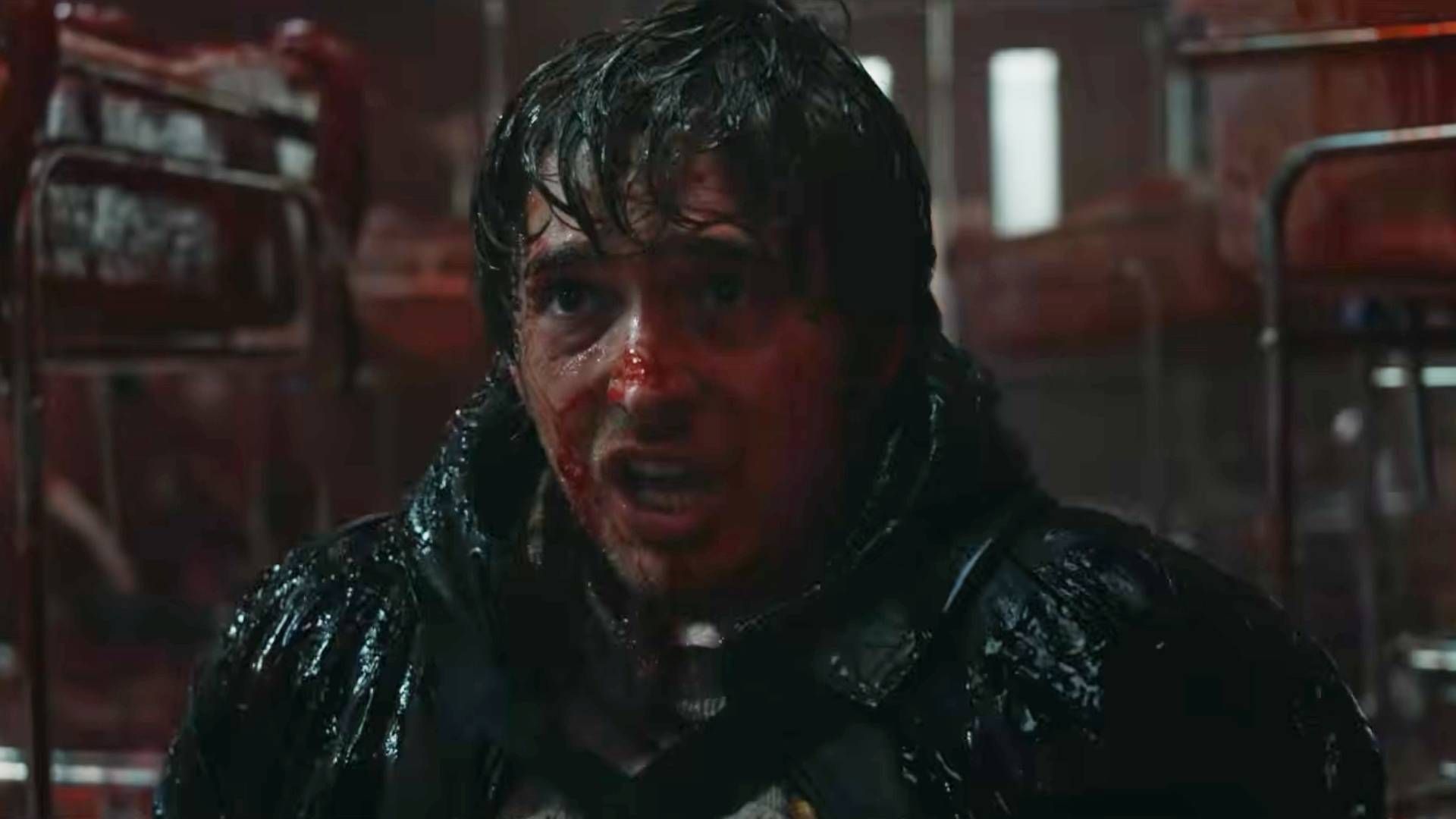
The chase that follows is frantic. Bryan kicks the woman in the face to gain distance, screaming in terror rather than shouting commands. After fumbling with the weapon and accidentally firing a shot into the dirt, he manages to ready the gun just as the woman disappears into the darkness surrounding the car.
The Climax: A Violent Resolution
The clip concludes with a high-stakes game of hide-and-seek. Bryan circles the vehicle, his eyes darting through the shadows. Suddenly, the woman charges from the darkness at full speed. Bryan stumbles backward, firing wildly. In a final moment of desperation, as he lies flat on his back, he fires one last shot. The bullet connects with enough force to knock the zombie off her feet "like a cannon," abruptly ending the clip and leaving the audience in stunned silence before the applause began.
Supporting Data: The Resident Evil Cinematic Context
To understand the significance of Cregger’s approach, one must look at the data surrounding the Resident Evil film franchise. Since its inception in 2002, the film series has grossed over $1.2 billion worldwide, making it one of the most successful horror-action franchises in history. However, critical reception has often been polarized.
| Film Series Phase | Primary Tone | Average Rotten Tomatoes Score | Box Office Highlight |
|---|---|---|---|
| Anderson Era (2002-2016) | Action/Sci-Fi | 30% | The Final Chapter ($312M) |
| Reboot Phase (2021) | Survival/Game-Accurate | 31% | Welcome to Raccoon City ($42M) |
| Cregger Era (2025) | Psychological/Grit | TBD | Scheduled: Sept 18 |
The decision to hire Zach Cregger is supported by the massive success of Barbarian (2022), which earned $45 million on a $4.5 million budget and maintained a 92% "Certified Fresh" rating. Cregger’s ability to manipulate audience expectations and create "viral" horror moments is exactly what Sony Pictures and Screen Gems are banking on to revitalize the brand.
Furthermore, the casting of Austin Abrams points toward a desire for emotional depth. Abrams has built a career playing vulnerable, complex young men, suggesting that this version of Resident Evil will focus heavily on the psychological toll of the outbreak rather than just the body count.
Official Responses: Insights from the Director
Following the screening, Zach Cregger took the stage to provide context for the footage. He was quick to point out that the version seen by the SDCC crowd was a "sanitized" cut for promotional purposes.
"They managed to cut about 25 f-words out of that clip," Cregger joked, highlighting the R-rated nature of the project. He emphasized that the final theatrical cut would be more visceral and that the pacing of the scene would be slightly different to accommodate the film’s overall build of tension.
Cregger also touched upon the "safety" aspect of the gunfight in the clip. He noted that he wanted the characters to feel like "real people in an impossible situation," rather than trained soldiers. This "de-skilling" of the protagonist is a deliberate creative choice intended to make the zombies feel like a legitimate threat again, rather than just "cannon fodder."
Official statements from the studio have remained tight-lipped regarding the specific plot, but the presence of a character named "Bryan" has led to intense fan speculation. Is this a new character, or a reimagining of a minor figure from the deep lore of the Capcom games? Cregger remained coy, stating only that the film "honors the spirit of the first three games while carving its own path."
Implications: A Turning Point for Video Game Horror
The unveiling of this footage has several major implications for the film industry and the horror genre:
- The "Barbarian" Effect: If Cregger succeeds, it will solidify the trend of "elevated horror" directors taking over major franchises. This could lead to a renaissance of studio horror where creative vision is prioritized over focus-group testing.
- Redefining the Zombie: By moving away from the "horde" mentality and focusing on individual, terrifying encounters, the film could revitalize the zombie subgenre, which many critics have labeled as "exhausted" following a decade of The Walking Dead.
- Marketing Strategy: Releasing a major Resident Evil film in mid-September is a strategic move. It avoids the crowded October corridor while serving as a "harbinger" for the Halloween season, potentially capturing a larger share of the teenage and young-adult demographic.
- Franchise Fatigue vs. Renewal: This film serves as a litmus test for whether the Resident Evil brand name still carries weight without the presence of Milla Jovovich. The reaction at SDCC suggests that the appetite for the T-Virus remains high, provided the execution is fresh.
As the September 18 release date approaches, the industry will be watching closely. If the tension captured in the snowy field of the SDCC clip can be sustained over a two-hour runtime, Zach Cregger may not just have a hit on his hands—he may have the definitive Resident Evil movie that fans have been waiting for since 1996. For now, the audience is left with the image of Bryan, shaking in the dark, realizing that in this new world, the safety on a gun is the difference between life and a nightmare.

