

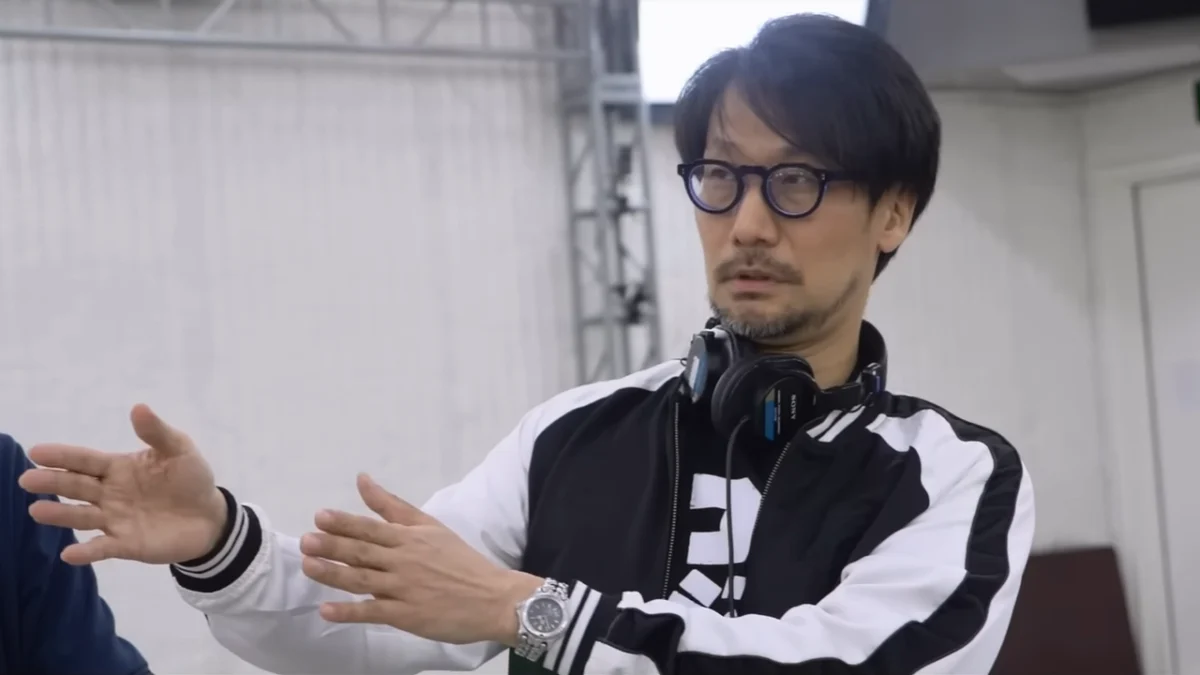
Hideo Kojima, the visionary auteur behind the Metal Gear and Death Stranding franchises, has never been a creator to shy away from the existential. Throughout a career spanning over three decades, his work has consistently grappled with themes of legacy, the nature of human existence, and, increasingly, the inevitability of death. Now 62, the Japanese game developer has recently offered a glimpse into his personal philosophy on the end of life, revealing a desire as eccentric and poetic as the games he builds: he wants to pass away inside a movie theater.
This revelation, shared via his social media channels, is more than just a passing comment from a creative icon; it serves as a thematic bookend to a life defined by the intersection of interactive media and the silver screen.
A Life Defined by the Silver Screen
For those who have followed Kojima’s career, the revelation that he wants to depart this world in a cinema is hardly surprising. His public persona and professional output have long been inextricably linked to film. His social media biography—"70% of my body is made of movies"—has served as a manifesto for years. This is not mere hyperbole; it is a structural reality of his game design.
Kojima’s influence from the medium of film is evident in every facet of his work. From the Escape from New York-inspired grit of Metal Gear Solid to the surrealist, narrative-heavy cinematography of Death Stranding, his games are frequently described as "playable movies." In Metal Gear Solid: Peace Walker, he even inserted himself into the game as a recruitable soldier, reinforcing the meta-commentary by stating, "70% of my existence is made of movies. It’s up to you to decide what to do with the remaining 30%."
The Choreography of a Final Act
Kojima has provided a precise, almost directorial vision for his final moments. According to his recent statements, he has mapped out the sequence of events with the same attention to detail he applies to his mocap sessions.
"I’m someone who’s always thought when I die, I want to die in a movie theater," Kojima wrote. He elaborated on the specific atmosphere he craves, describing a quiet, liminal space. "I like the time before the movie starts the best. Enter the movie theater, the lights turn off, the commercials and trailers play, then just before the movie starts is when I want to pass away."
For Kojima, this moment represents the pinnacle of anticipation—a bridge between the mundane reality of the outside world and the immersive, transformative power of cinema. It is a fitting, if slightly macabre, curtain call for a man who has spent his life crafting spectacles that aim to transport players into other worlds.
A Chronology of Existential Reflection
Kojima’s public contemplation of mortality is a relatively recent, albeit intense, shift in his discourse. While his games have always explored death (often through the lens of sacrifice, war, or post-apocalyptic survival), his personal engagement with the subject has spiked in the last few years.
- 2020: The Brush with Death: Following a life-threatening health crisis in 2020, Kojima’s perspective on time and legacy shifted. This event was a catalyst for the development of Physint, an upcoming project he describes as a "next-generation action-espionage game." He has openly stated that the project exists largely because fans refused to let the Metal Gear spirit die, and because his own mortality reminded him that he has a limited window to create the things he still wants to see.
- The "Mind Tomb": Kojima has also revealed the existence of a "mind tomb"—a USB drive containing a repository of concepts, ideas, and narrative skeletons. He intends for this to be a guide for his staff, a "will" of sorts that ensures his creative DNA continues to influence future projects long after he is gone.
- The Aging Game: Beyond these practical measures, he has frequently discussed conceptual games that deal with the mechanics of aging and mortality. In interviews, he has proposed titles where the protagonist slowly loses their physical capabilities or even their memory, forcing players to confront the limitations of the human condition.
The Implications: Cinema as a Final Sanctuary
Why the movie theater? The answer lies in the sanctuary that cinema provides. In a world where Kojima is constantly scrutinized, analyzed, and expected to deliver the next "big thing," the movie theater acts as a rare space where he is not the director, but the audience.
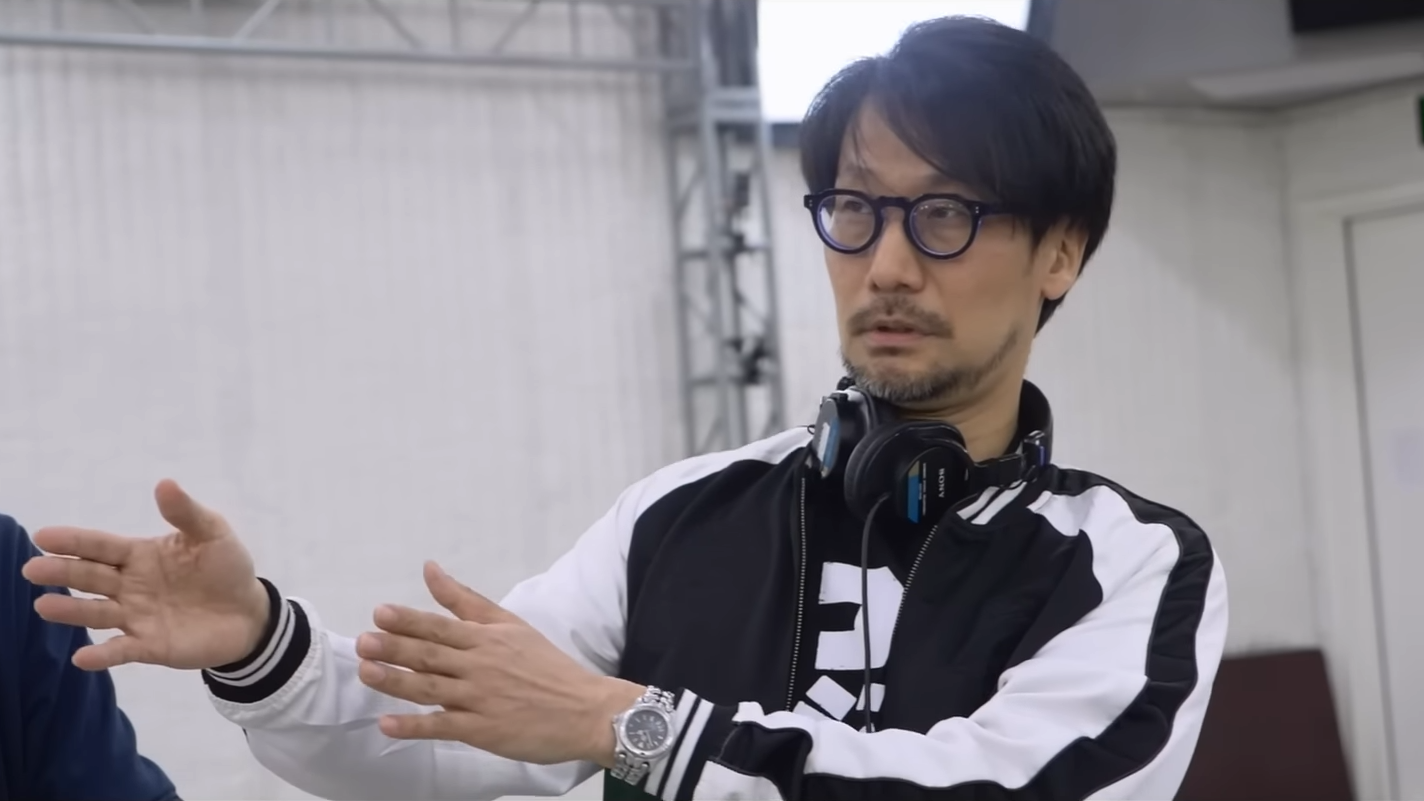
By choosing this setting for his departure, Kojima is elevating the act of spectating to a spiritual experience. It reflects a lifelong devotion that goes beyond simple hobbyism. His commitment to watching a film every day is a disciplined ritual, one that has undoubtedly informed the pacing, lighting, and emotional beats of his own games.
Furthermore, this desire emphasizes the convergence of his two worlds. As Kojima Productions moves toward the production of a live-action Death Stranding film in collaboration with A24, the distinction between his gaming work and his film aspirations is dissolving. He has stated that this project will "present a new dimension of cinematic adaptation," moving away from the traditional, often disappointing, trend of game-to-movie ports. For Kojima, the movie theater is not just a place to watch; it is a space of professional and personal culmination.
Industry and Fan Reception
The reaction to Kojima’s candidness about death has been a mixture of morbid curiosity and profound respect. In an industry where developers are often treated as faceless cogs, Kojima’s vulnerability resonates with a fanbase that has grown up alongside his work.
Industry experts note that this transparency is part of what makes him a "cult of personality." Whether he is discussing his "mind tomb" or his desire to pass away during the trailers of a film, he maintains a level of engagement that keeps his audience tethered to his creative process. While some may find the imagery of a staff member finding him in a theater seat after a screening somewhat bleak, for Kojima’s devotees, it feels like the final, perfectly executed scene in a legendary director’s filmography.
A Legacy Written in Code and Celluloid
As Hideo Kojima continues to work on Death Stranding 2: On the Beach and the aforementioned Physint, the looming presence of his "will" and his ruminations on mortality serve as a reminder that the medium of video games is maturing.
We are seeing a shift where the creators of the medium are reaching an age where they are reflecting on their contributions to history. Kojima’s obsession with death is not a sign of defeat, but a testament to his drive. He is not merely waiting for the end; he is curating it.
Whether he finds his final quiet moment in a darkened cinema remains a matter for the distant future. For now, the "70% movie" man continues to build worlds, leaving behind a digital trail of breadcrumbs for his successors, ensuring that even when the house lights finally go up and the projector stops, the influence of his work will continue to play on.
Ultimately, Kojima’s philosophy is a call to action for his peers and his players: if you are going to leave a mark on the world, ensure that it is as carefully crafted, as cinematic, and as meaningful as the stories you choose to surround yourself with. As he prepares to bridge the gap between interactive entertainment and traditional cinema, one thing remains clear: Hideo Kojima intends to leave the stage exactly as he entered it—obsessed with the magic of the screen.

