

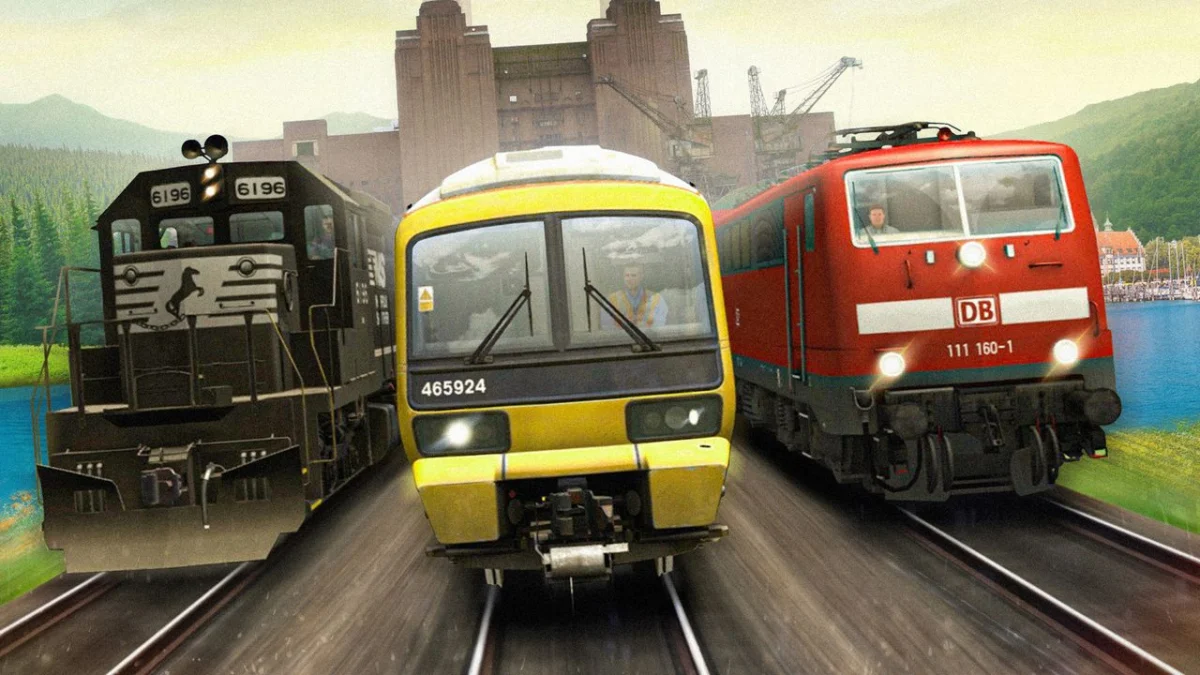
For the digital railway enthusiast, there is no event on the gaming calendar quite as anticipated as Steam’s "Train Fest." As the latest iteration of this promotion kicks off, it brings with it a deluge of discounts on everything from high-fidelity locomotive simulations to whimsical management games. While new releases like Denshattack are grabbing headlines, the conversation among the PC gaming community inevitably drifts back to the industry’s most notorious titan of downloadable content (DLC): Train Simulator Classic.
This year, the event has once again highlighted the staggering scale of the hobby, shedding light on the immense, often intimidating library of add-ons that define the Train Simulator experience. For those willing to navigate the labyrinth of the Steam storefront, the sale represents a rare opportunity to acquire a literal small fortune’s worth of software at a fraction of the cost.
The Magnitude of the Train Simulator Ecosystem
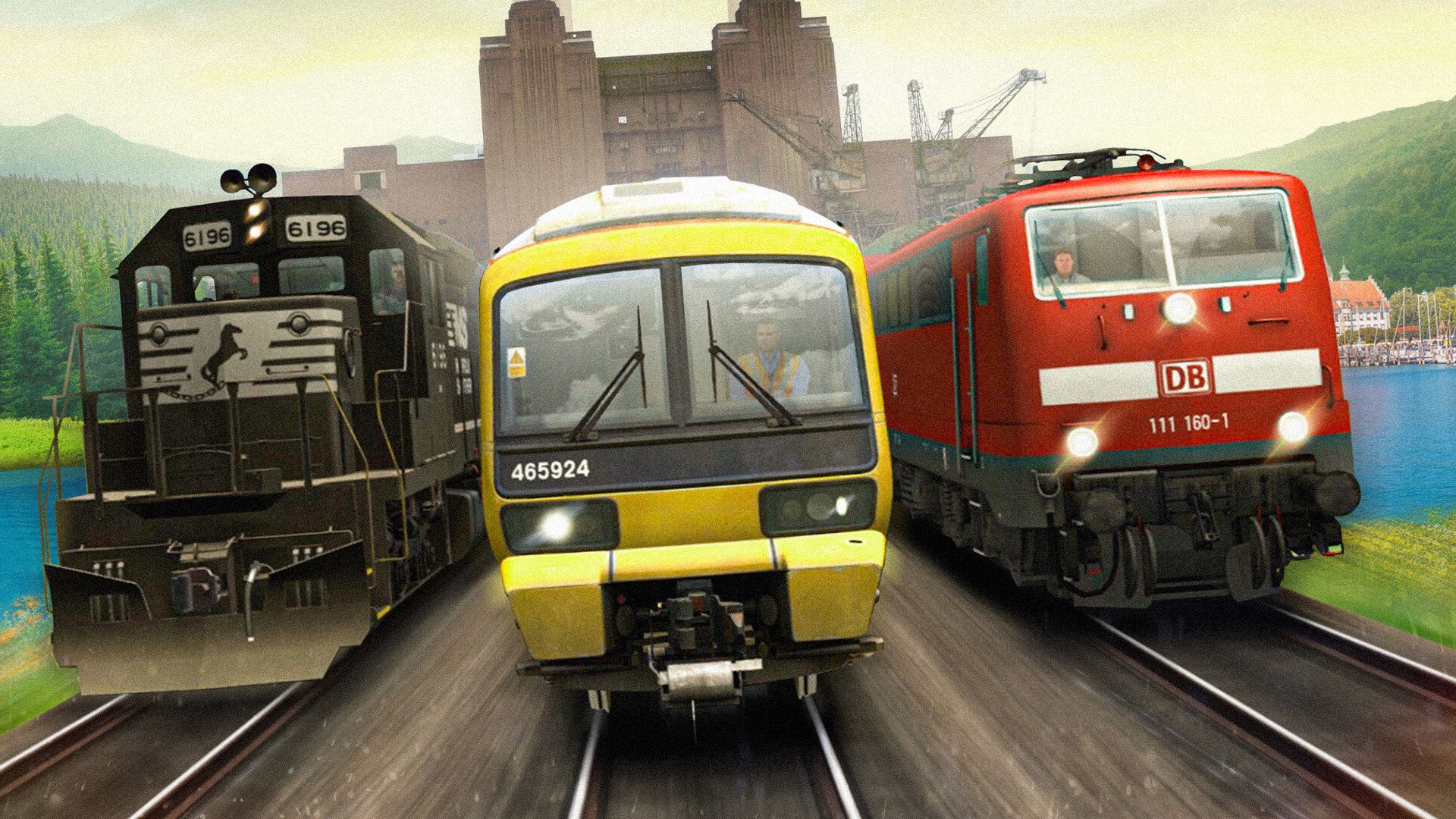
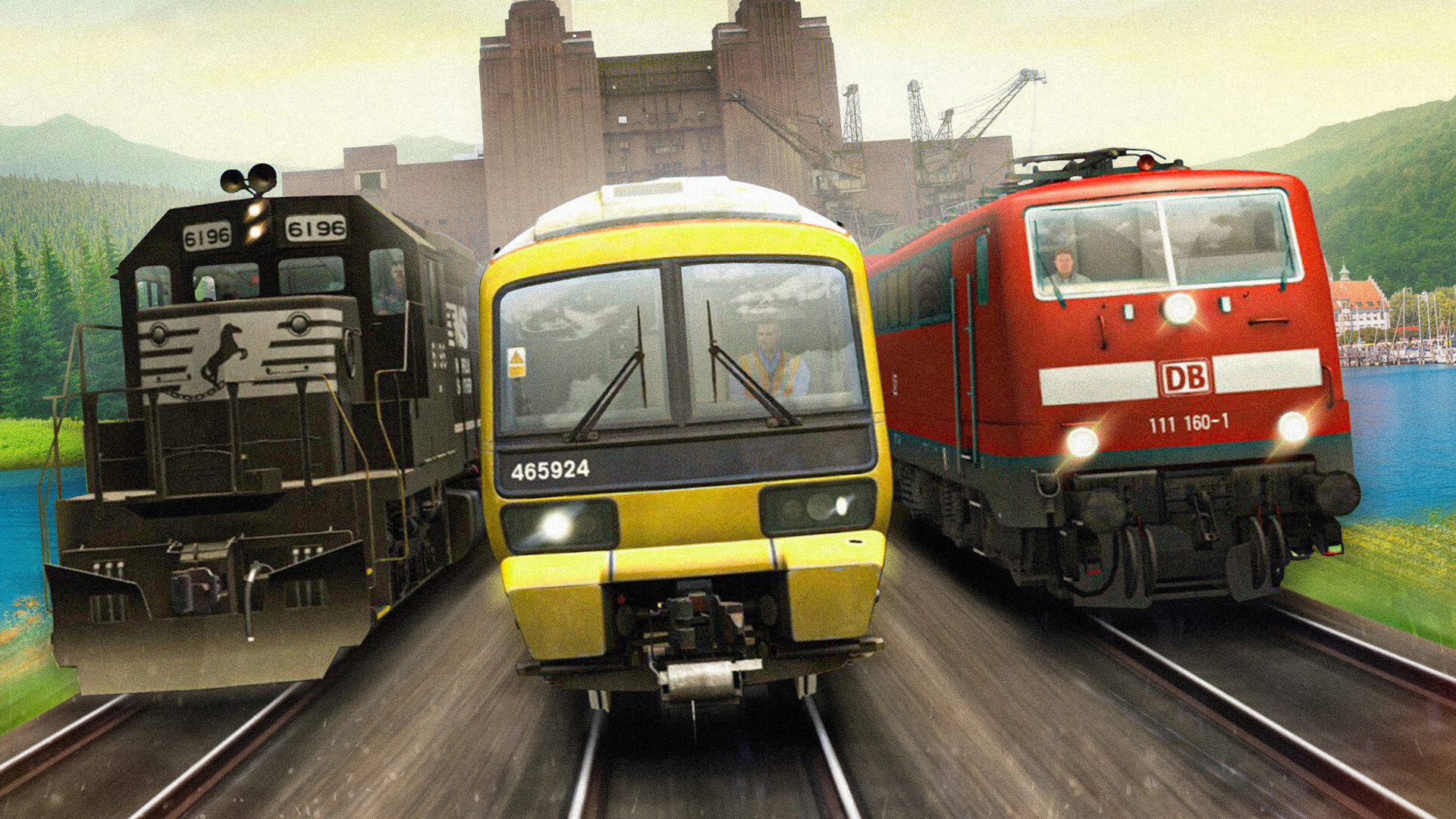
Train Simulator Classic, developed by Dovetail Games, has long held a legendary status in the PC gaming world. It is not merely a game, but a sprawling, modular ecosystem. The sheer volume of content available is unparalleled; a quick glance at the store page reveals a staggering 790 individual pieces of DLC. These add-ons range from specific locomotive models and rolling stock to complex, geographically accurate route expansions that span the globe, allowing players to traverse everything from the British countryside to the high-speed rail networks of Japan and the freight-heavy corridors of the United States.
During the current Train Fest, the base game—the foundational entry point for this massive hobby—has received a significant 80% price reduction, bringing the cost of entry down to a mere $6.00. However, the true story lies in the vast library of supplemental content, where almost every piece of DLC is currently marked down between 20% and 80%.
A Chronology of Content Expansion
To understand how Train Simulator Classic arrived at this point, one must look at its history as a platform. Originally launched as Rail Simulator in 2007, the franchise transitioned through various iterations—RailWorks, Train Simulator 2012, and eventually the rebranded Train Simulator Classic—over the course of nearly two decades.
- 2007–2010 (The Foundation): The early years established the physics engine and the core signal systems. During this period, the model for third-party expansion was codified, allowing developers to build specific, highly detailed train sets that could be sold as modular add-ons.
- 2011–2016 (The Expansion Era): As the game adopted a "yearly release" schedule (renamed annually to reflect the current year), the volume of DLC began to accelerate. Developers like Just Trains and RSC began producing hundreds of specific regional routes, catering to a growing niche of "rivet-counting" simulation fans who demanded historical accuracy.
- 2017–Present (The "Classic" Pivot): With the shift toward Train Simulator Classic and the concurrent development of Train Sim World (a more modern, Unreal Engine-based successor), the focus shifted toward maintaining the massive legacy library while providing consistent updates to the core engine. The 790-piece DLC count is the cumulative result of 17 years of continuous development and third-party contributions.
The Mathematics of the Collection: A Deep Dive
Calculating the total investment required for the "complete" Train Simulator experience is a task that borders on the Herculean. Because Steam’s storefront interface is designed to prevent "cart-stuffing" and does not provide a simple aggregate total for such a massive library, it requires manual data collation to determine the actual financial scale of the franchise.
After aggregating the base prices of all 790 individual add-ons, the full, undiscounted value of the collection sits at approximately $15,621.11. This figure represents years of individual development cycles, licensing agreements with real-world rail companies, and the labor of dozens of specialized simulation studios.
Under the current Train Fest promotional pricing, the total cost to acquire every single piece of DLC drops to roughly $6,933.80. This represents a cumulative discount of approximately 55%. While still a price point equivalent to a reliable used vehicle, the discount demonstrates the publisher’s strategy: making individual, specific "routes" or "locomotives" accessible to casual players while maintaining the premium nature of the wider library for the dedicated enthusiast.
The Broader Landscape: New Entrants and Market Diversification
While Train Simulator Classic captures the headlines due to its sheer size, the train simulation genre is currently experiencing a broader creative renaissance. The Train Fest event serves as a platform not just for the legacy giant, but for innovative new titles that are pushing the genre in different directions.
- Denshattack: Released earlier this month, this title focuses on the high-intensity, high-precision world of Japanese commuter rail operations. It offers a distinct, action-oriented contrast to the slow-burn, long-haul simulation of Train Simulator Classic.
- EverRail: A survival-oriented take on the genre, EverRail challenges players to manage the mechanical integrity and logistics of a train in a harsh, unforgiving environment. It is currently available with a 10% discount, signaling a shift toward more "gamified" simulation mechanics.
- Fogpiercer: Released in July, this strategy-heavy title incorporates elements of tactical decision-making and resource management, appealing to players who enjoy the logistics of rail networks without necessarily requiring a full-scale locomotive physics simulator.
Official Stance and Community Reception
Dovetail Games has historically maintained that the modular nature of their DLC is a feature, not a bug. By allowing users to purchase only the routes or trains they are personally interested in, they ensure that the "entry fee" for the game remains low, while the "ceiling" for those who want a comprehensive historical archive of global rail remains high.
From the perspective of the developer, this model allows for a sustainable business lifecycle that supports a dedicated, albeit niche, community. Critics, however, have long argued that the sheer quantity of DLC can be overwhelming to new players and can lead to a "fragmented" experience where the total cost of the hobby is obfuscated by the hundreds of small, incremental purchases.
Implications for the Future of Simulation
The success of the Steam Train Fest and the continued profitability of Train Simulator Classic highlight a significant shift in the PC gaming landscape: the rise of the "Platform Game." These are titles that are no longer static products, but ongoing service platforms that receive years of support.
As the industry moves forward, the lessons learned from the Train Simulator model are being applied to other sectors, including flight simulation and racing titles. The key takeaway is that for a certain segment of the gaming audience, the desire for "total fidelity" and "infinite expansion" outweighs the aesthetic desire for a single, contained game experience.
Whether you are a casual player looking to spend $6 on a weekend of scenery-gazing or an enthusiast ready to invest in a comprehensive rail library, the current sale confirms one thing: the train simulation genre is as robust, expensive, and expansive as ever. For those who find joy in the rhythmic clatter of steel on steel, there has never been a better time to head to the station.

