

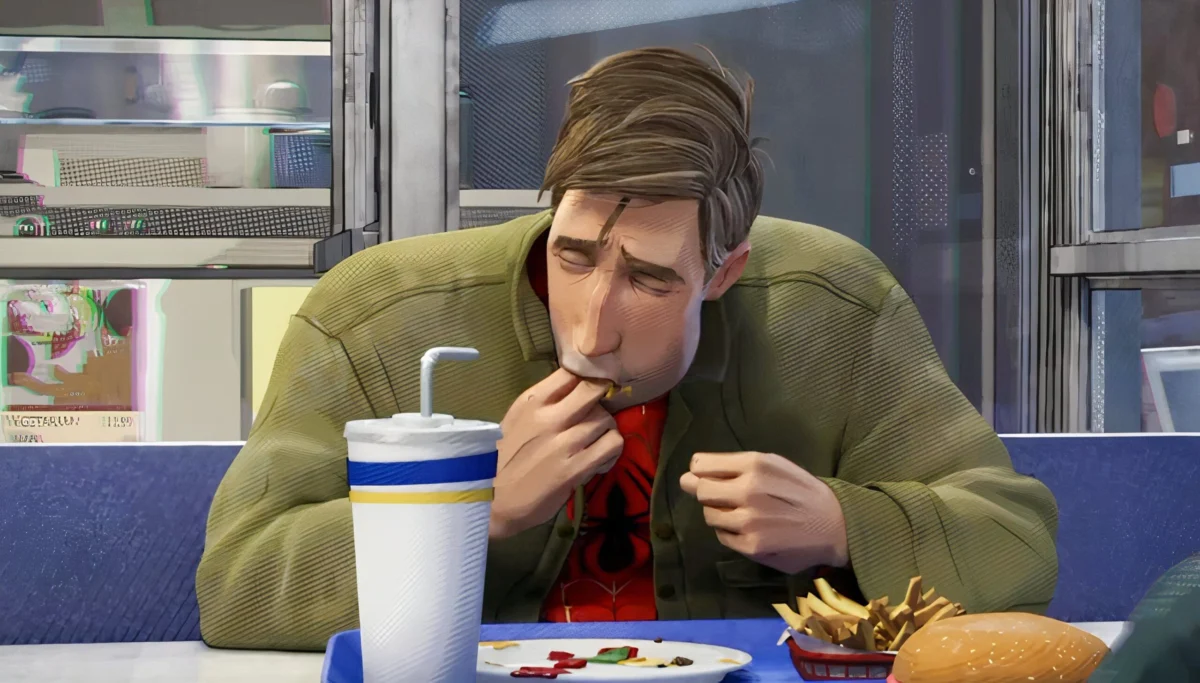
For over six decades, the cultural landscape of superheroes has been dominated by icons of perfection. We have the golden-age resilience of Captain America, the technological genius and billionaire status of Tony Stark, and the literal godhood of Thor. Yet, standing in stark contrast to these titans of power and privilege is a kid from Queens who, more often than not, cannot pay his rent.
Spider-Man remains Marvel’s most relatable hero not because of his wall-crawling abilities or his tactical genius, but because Peter Parker is, in the most endearing sense, a perpetual victim of his own circumstances. While other heroes reach the mountaintop of their arcs, Peter Parker is often left scrubbing the mud off his boots, staring at a stack of overdue bills. This article explores the phenomenon of "Parker Luck," the necessity of suffering in his narrative arc, and why, for Spider-Man, the greatest victory is simply getting back up.
The Chronology of Misfortune: From 1962 to the Multiverse
When Stan Lee and Steve Ditko introduced Peter Parker in Amazing Fantasy #15 (1962), they broke the mold of the superhero archetype. He wasn’t a millionaire or an alien; he was an awkward, bullied teenager with a penchant for science and a profound sense of isolation. From the moment the radioactive spider bit him, the trajectory of his life was set not by his powers, but by his failures.
The Defining Catalyst
The death of Uncle Ben serves as the immutable anchor of the Spider-Man mythos. It is the moment where "great power" is met with "great responsibility," but it is also the moment where Peter learns that his actions—or inaction—have permanent, devastating consequences. This tragedy established a template for every adaptation that would follow.
Evolution Through Adaptations
- The Raimi Era (2002–2007): Tobey Maguire’s Peter Parker set the gold standard for the "pathetic" hero. Whether he was losing his job as a pizza delivery boy, failing to keep his tuition payments current, or watching his best friend descend into villainy, the films emphasized that the suit didn’t fix his life; it complicated it.
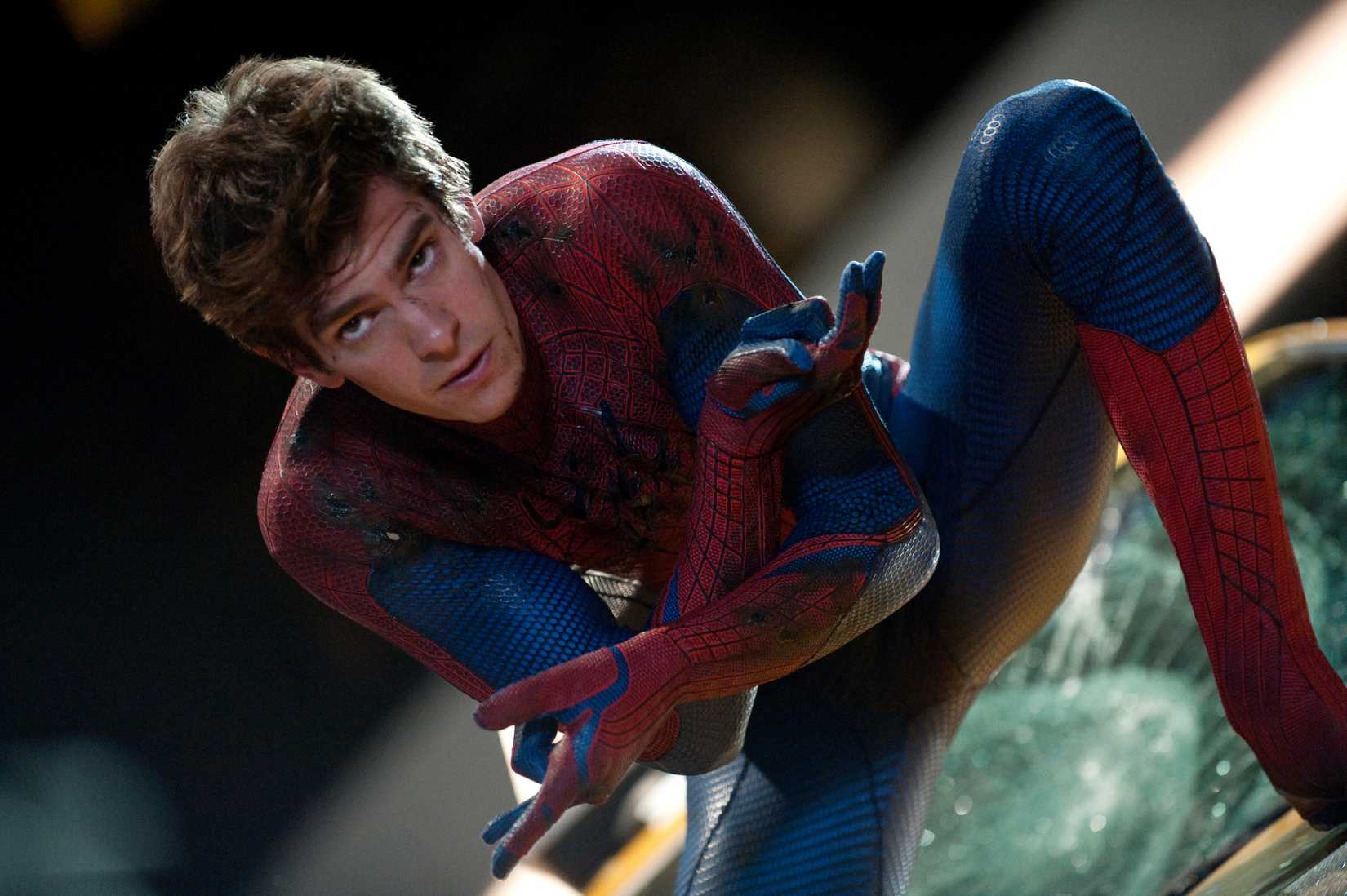
- The Webb Era (2012–2014): Andrew Garfield’s iteration brought a sharper, more visceral edge to the tragedy, specifically through the haunting loss of Gwen Stacy. It highlighted that for Spider-Man, the "cost" of being a hero is often the very person he is trying to protect.
- The MCU Era (2016–2021): Tom Holland’s journey saw a young hero lose his mentor, Tony Stark, only to later sacrifice his entire identity and his connections to his best friends and love interest in No Way Home. It was a maturation process defined by total erasure.
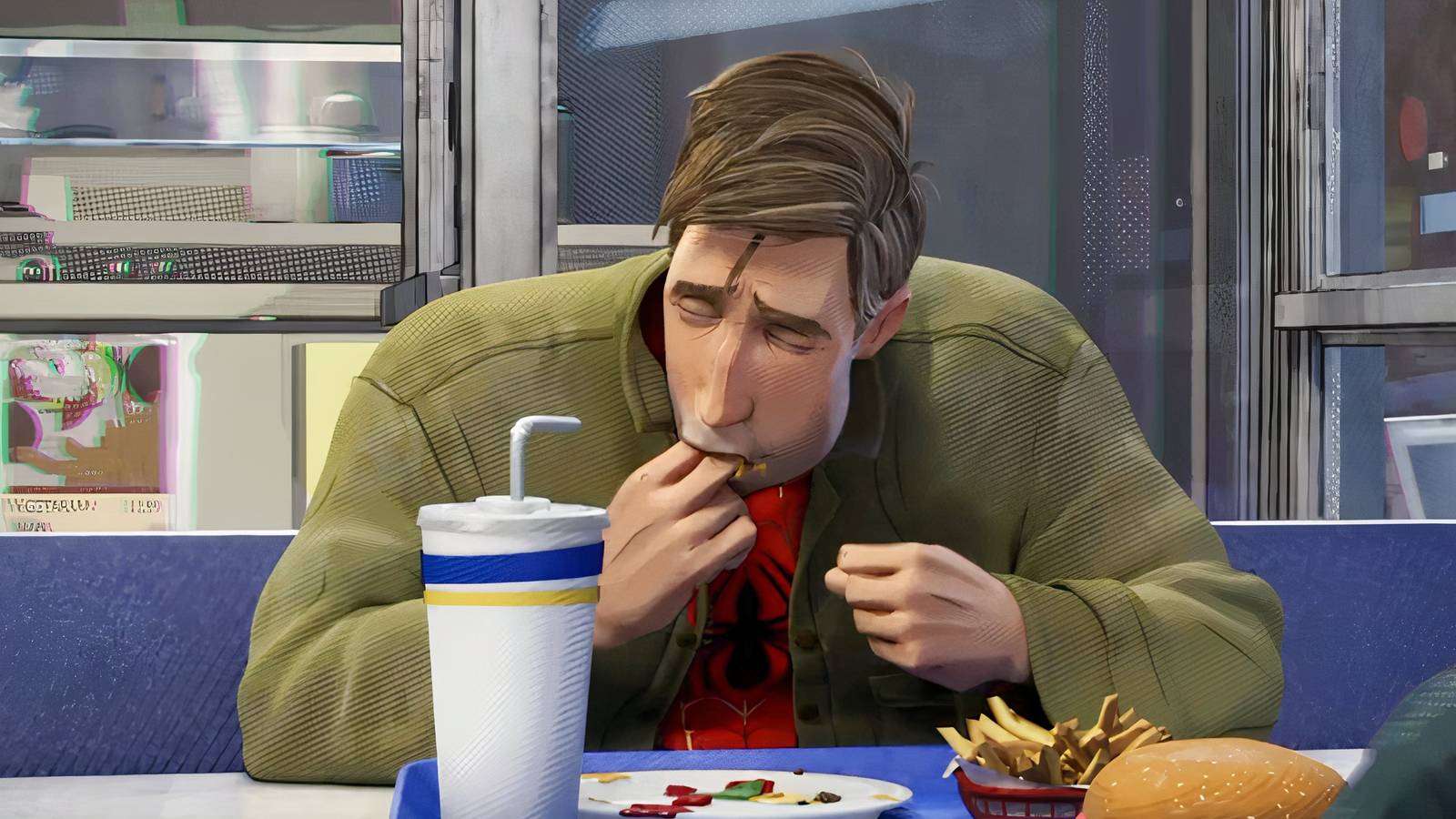
- The Animated & Gaming Frontiers: Into the Spider-Verse gave us the most brutally honest look at a "broken" Peter B. Parker—a man whose life had effectively imploded under the weight of his own expectations. Simultaneously, Insomniac’s Marvel’s Spider-Man series for PlayStation has consistently forced Peter to choose between his personal happiness and the safety of the city, proving that the struggle is as vital to the digital experience as the web-swinging.
Supporting Data: The Anatomy of "Parker Luck"
"Parker Luck" is more than a fan-coined term; it is a structural necessity in the narrative DNA of the character. When analyzing the recurring motifs in Spider-Man stories, we see a consistent pattern of "loss-gain-loss."
The Economic Burden
Unlike Bruce Wayne or Tony Stark, Peter Parker has never had a safety net. His financial instability is a constant source of tension. This is a deliberate creative choice. By keeping Peter in a state of professional and financial flux, writers ensure that he remains grounded. If Peter were to become a wealthy, established professional, the core dynamic of the "everyman" hero would evaporate.
The Relational Tax
Spider-Man’s greatest enemies are not just the Green Goblin or Doctor Octopus; they are his own secrets. The requirement to hide his identity inevitably leads to missed anniversaries, broken promises, and the dissolution of trust. Data from decades of comic book arcs show that whenever Peter achieves a moment of domestic stability, it is almost immediately followed by a catastrophic event—a "reset" button that prevents him from ever truly settling down.
The Psychological Dimension: Quips as a Coping Mechanism
A common misconception about Spider-Man is that his wisecracks are signs of arrogance or supreme confidence. In reality, they are a sophisticated psychological defense mechanism.

When Peter faces a villain, he is often terrified, exhausted, and physically injured. His banter serves three distinct purposes:
- Distraction: It forces his opponents to focus on his words rather than his physical tells.
- Calming the Nerves: By externalizing his fear through humor, he manages his own internal panic.
- Assertion of Self: In a world where he is constantly losing his autonomy to the demands of his alter-ego, the quip is the only thing that remains entirely "Peter."
This is why, even in his darkest moments, the humor remains. It is the survival instinct of a boy who knows that if he stops joking, the weight of the world might actually crush him.
Official Perspectives: The Philosophy of the Creative Teams
Over the years, various writers and directors have weighed in on why Peter Parker must suffer. The consensus among the creative stewards of the character is that Spider-Man is not a hero who "wins" in the traditional sense.
"We don’t write Spider-Man to see him succeed at life," noted one prominent Marvel editor in a recent panel. "We write him to see how he handles the inevitable failure. The heroism isn’t in the victory; it’s in the refusal to become cynical after the loss."

This philosophy suggests that if you remove the "pathetic" elements of Peter Parker—the struggles, the heartbreak, the constant feeling that the universe is against him—you are left with a generic hero. The struggle is the feature, not the bug. It is the "rough edges" that make him human.
Implications for the Future of the Franchise
As we look toward the future of the Spider-Man franchise, the industry faces a unique challenge. Audiences naturally want to see their favorite characters evolve. We want to see Peter get the girl, get the job, and find peace. However, the data suggests that once that happens, the audience interest begins to wane.
The "Sweet Spot" Dilemma
The goal for future creators is to balance growth with the status quo. Peter can learn, he can grow wiser, and he can become more skilled, but he cannot become "settled." The implication for future media is clear:
- Narrative Stability: Future writers will likely continue to introduce new forms of adversity to replace the ones that are resolved.
- The Relatability Gap: As society changes, the "struggles" of Peter Parker must evolve with it. Where once it was manual labor or newspaper photography, modern struggles might involve the gig economy, digital privacy, or the crushing pressure of a hyper-connected world.
Conclusion
Spider-Man is the only major superhero who represents the common struggle of the audience. He is the hero who gets fired, gets dumped, and gets back up again. By allowing Peter Parker to remain somewhat pathetic, Marvel ensures that he remains the most human hero in the pantheon.
The ultimate lesson of the Spider-Man mythos is not found in the radioactive bite or the high-tech suits. It is found in the quiet, painful realization that while you may have the power to save the world, you rarely have the power to save your own day. And yet, you keep moving forward anyway. That, more than anything else, is what makes him a hero. Peter Parker may rarely win, but he never loses his heart—and that is enough.

