

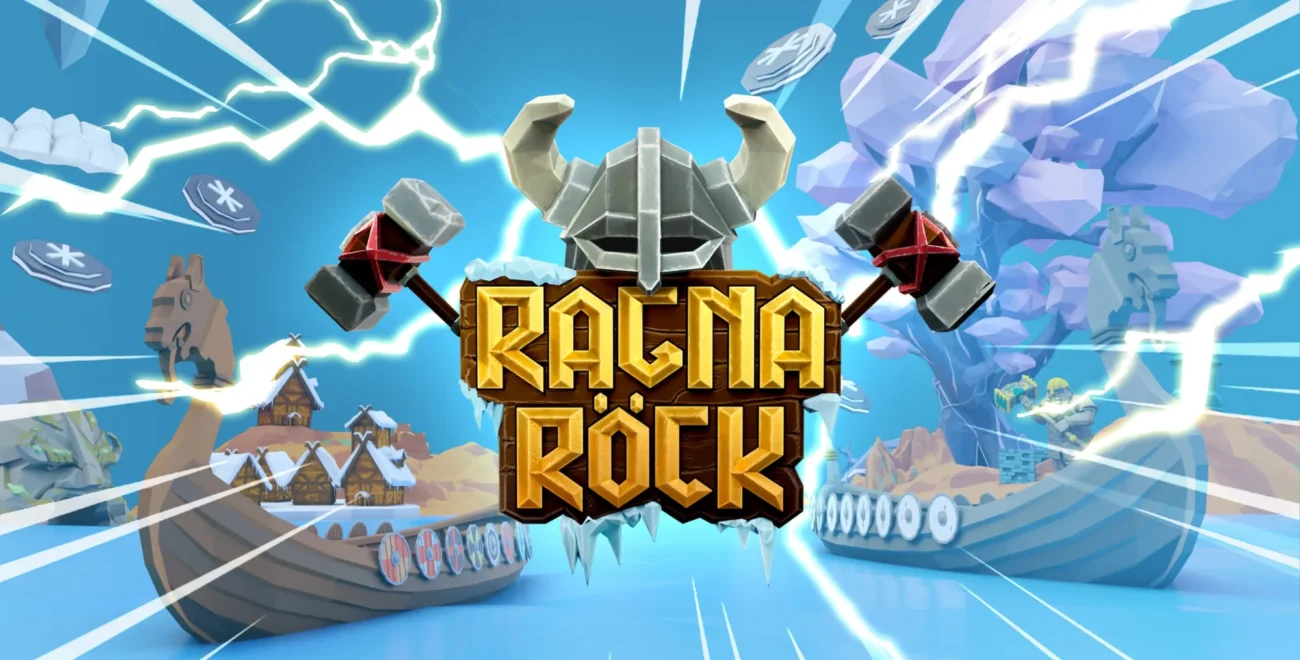
The virtual reality rhythm landscape, a genre defined by high-octane movement and immersive soundtracks, has seen a significant update this week. Wanadev Studio, the developer behind the acclaimed Viking-themed VR rhythm game Ragnarock, has officially expanded its tracklist. After a period of relative silence since July 2025, the game has received a long-awaited infusion of fresh content: two new licensed tracks, available to all players at no additional cost.
This update brings the high-energy anthem "Hard Rock Hallelujah" (2006) by the iconic Finnish heavy metal band Lordi, and the haunting, modern intensity of "Strangeland" (2020) by the Swedish metal group Mister Misery. While the addition of two songs may seem modest in the broader context of the VR gaming industry, it represents a significant hurdle cleared by the boutique studio, shedding light on the complex realities of music licensing in the interactive digital space.
A Chronology of Content: From Viking Beats to New Horizons
Since its inception, Ragnarock has carved out a niche by blending the frenetic pace of rhythm gameplay with a distinct Norse aesthetic. Players take on the role of a Viking ship captain, drumming in sync with heavy metal and folk-inspired tracks to propel their longship toward victory.
However, the game’s post-launch support has been sporadic compared to industry giants. The last major injection of music occurred in the summer of 2025 with the release of the Viking Music Pack. That collection, a paid add-on, provided five new tracks that helped sustain the game’s momentum. Since that release, the community has been vocal in its desire for more variety.
The timeline of Ragnarock’s music library development is as follows:
- Early Launch: The core game arrived with a curated list of tracks designed to fit the high-fantasy, aggressive Viking theme.
- July 2025: The Viking Music Pack launched as a paid DLC, introducing five new tracks to the library.
- Late 2025 – Early 2026: A period of development focus shifted toward other studio projects, leading to a drought in new rhythm content.
- March 2026: The current update drops, adding "Strangeland" and "Hard Rock Hallelujah" for free, while simultaneously cycling out the tutorial track "Call of the North" due to the expiration of its licensing agreement.
The Reality of Licensing: Why "More" Isn’t Always "Easy"
The inclusion of new music in Ragnarock is not a simple "drag-and-drop" process. Unlike platforms that rely on user-generated content or open-source music, Wanadev Studio adheres to a strict policy of official licensing. This ensures that artists are compensated and that the game remains legally compliant, but it creates a substantial bottleneck in production.
In a candid announcement regarding this update, Wanadev Studio outlined the arduous journey a song must take before it ever reaches a player’s headset. "Before we can even start mapping a track," the developers explained, "we first need to contact the rights holders, secure their approval, and make sure the artists are fairly compensated."
This process involves several layers of corporate and creative vetting:
- Identification and Outreach: Identifying the primary rights holders—which often include publishers, labels, and the bands themselves.
- Negotiation: Reaching a consensus on royalty structures, upfront licensing fees, and territorial rights.
- Approval: Securing the "go-ahead" from the artists, who may have specific requirements regarding how their music is utilized in a gaming environment.
- Mapping: Once legal hurdles are cleared, the team must manually map the rhythm nodes to the song, a process that requires both technical precision and musical intuition.
The studio admitted that these pieces do not always align. "Unfortunately, those pieces don’t always come together, which means some songs simply can’t make their way into Ragnarock," the team noted. This transparency is a rare glimpse into the "invisible" work that goes into rhythm game development, illustrating why player demand for "more music" often clashes with the slow, deliberate pace of intellectual property law.
Comparative Market Analysis: The "Meta" Advantage
In the competitive landscape of VR rhythm games, Ragnarock exists in the same ecosystem as heavyweights like Beat Saber and Synth Riders. When observing the content output of these titles in 2026, the discrepancy in update frequency becomes stark.
Beat Saber, for instance, has released multiple music packs and free updates throughout 2026. Synth Riders has similarly maintained a robust schedule, often collaborating with major labels to drop high-profile licensed content.
The disparity in frequency is largely attributed to institutional backing. Beat Games, the developer behind Beat Saber, is a subsidiary of Meta. This corporate structure provides them with significant leverage, financial resources, and dedicated legal teams that can navigate complex licensing deals with major music labels much faster than an independent studio.
Wanadev Studio, while talented, is a smaller entity that balances Ragnarock with other ambitious titles, such as Propagation: Paradise Hotel and the upcoming co-op survival horror game Species Unknown. For an independent studio, every hour spent on music licensing is an hour diverted from the development of entirely new gameplay experiences.
The Tutorial Transition: Managing the "Lifecycle" of Content
A notable, if bittersweet, aspect of the recent update is the removal of the tutorial song "Call of the North." Due to the expiration of the original licensing agreement, the studio had to rotate it out, replacing it with "To Erebor."
This highlights a growing challenge for the rhythm game genre: the "ephemeral" nature of digital music libraries. As licensing agreements expire, games that were once sold with specific content may find themselves having to pull tracks or cycle them out to remain compliant. This creates a ripple effect where players lose access to their favorite tracks, or the game’s "identity" shifts as core songs are replaced. It is a reminder that in the world of licensed gaming, content is essentially "rented" by the developer from the music industry, and the user’s access is inherently tied to these finite legal contracts.
Implications for the Future of Ragnarock
Where does this leave Ragnarock? Despite the challenges, the game maintains a dedicated player base that values the specific, high-intensity metal aesthetic that other rhythm games often lack. The inclusion of Lordi—a band with a strong visual and musical identity that aligns perfectly with the "Viking/Mythological" aesthetic of the game—is a strategic win.
Looking forward, the success of Ragnarock will depend on the studio’s ability to manage its resources effectively. By focusing on high-impact, thematic tracks that resonate with their specific audience, Wanadev can continue to differentiate itself from the more "pop-heavy" competitors.
Furthermore, the studio’s willingness to communicate the difficulties of the licensing process serves as a bridge to the community. When players understand that the delay is not a lack of interest, but a commitment to ethical and legal music distribution, it fosters a deeper sense of loyalty.
Conclusion: A Delicate Balance
The update to Ragnarock serves as a microcosm of the current state of virtual reality gaming. It is a medium caught between the rapid expectations of the digital age and the slow, grinding reality of legal compliance and independent development.
While two tracks may not satisfy the hunger of the most voracious rhythm gamers, they represent a victory for a studio that chooses to do things the right way—ensuring that artists are paid, rights are respected, and the game remains a legitimate, albeit niche, experience. As Wanadev Studio pivots between survival horror projects and the ongoing maintenance of its rhythm flagship, the community remains waiting, drums in hand, for the next beat to drop.
Ragnarock remains available for players on Steam, Meta Quest, and PlayStation VR2, continuing to invite players to test their endurance against the backdrop of an ever-evolving, albeit carefully curated, soundtrack.

