

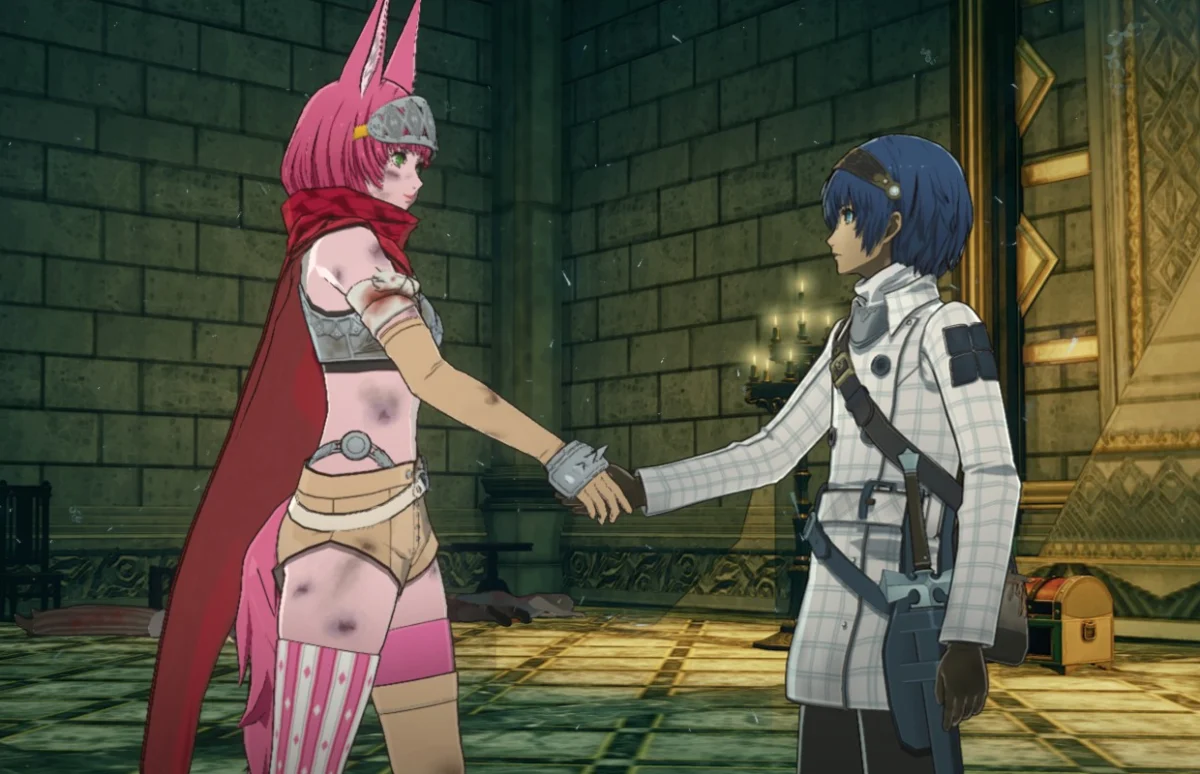
When Atlus released Metaphor: ReFantazio in 2024, it was met with widespread critical acclaim, lauded for its intricate systems, bold art direction, and a narrative depth that felt like a natural evolution of the Persona lineage. Given the game’s strong performance on portable hardware like the Steam Deck, fans have long clamored for a Nintendo-platform release. With the recent confirmation of a Switch 2 port, the excitement was palpable. However, our recent hands-on session at Anime Expo suggests that while the foundation is solid, the journey to launch is fraught with technical hurdles that Atlus must overcome before the game reaches players on November 12, 2026.
The State of the Build: A Technical Overview
Our experience at Anime Expo provided a focused, albeit restricted, look at Metaphor: ReFantazio running on upcoming Nintendo hardware. It is important to preface these impressions by noting that this was a limited demo build. The developers have several months of optimization remaining before the final retail release, and in the world of console ports, four months can represent a significant leap in performance stability.
Currently, the game is targeting a 60 FPS experience. In the segments we played—primarily focused on dungeon crawling—the game largely achieves this target. However, it is not a locked 60. Players sensitive to frame-pacing and minor fluctuations will notice occasional dips, particularly during traversal or intense environmental transitions. While these drops are not catastrophic, they interrupt the fluidity that defines the high-octane combat of Metaphor.
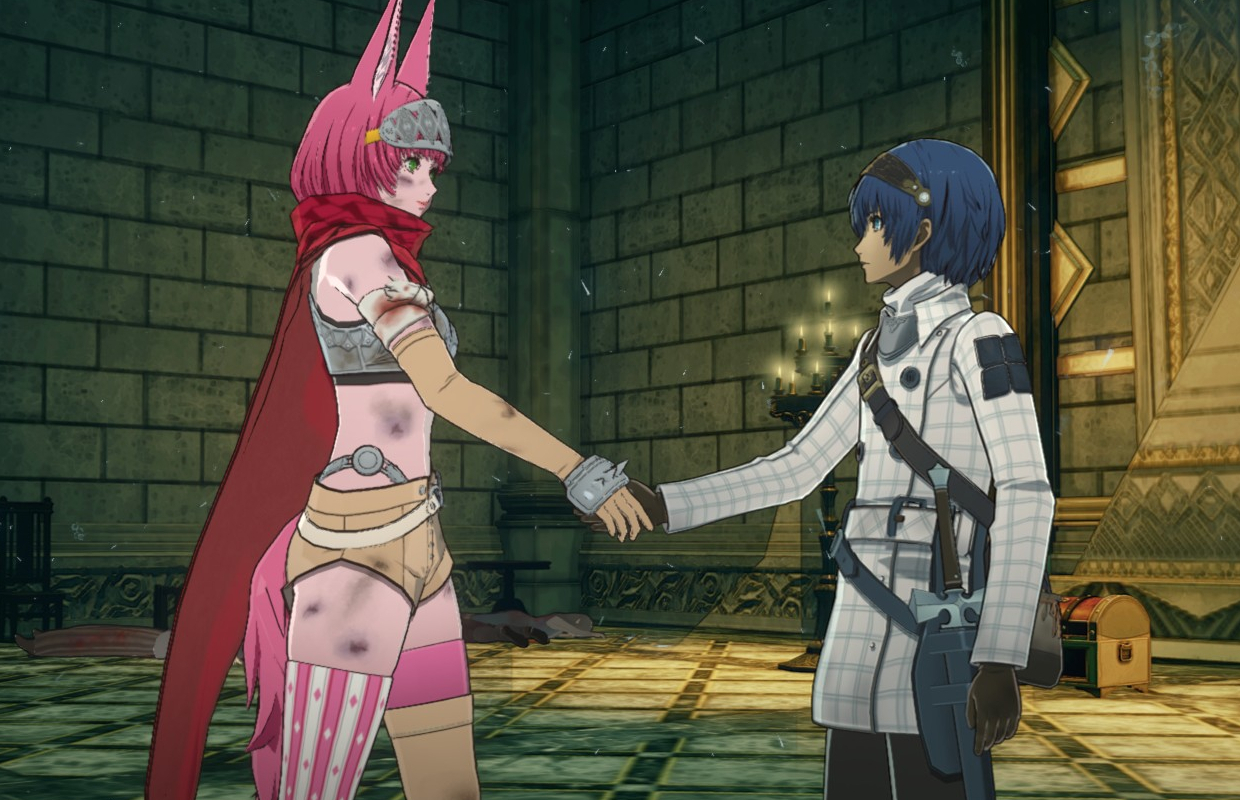
Visually, the game retains the striking aesthetic that defined its original release. The art style, characterized by its "painterly" textures and vibrant UI, translates surprisingly well to the Switch 2’s architecture. Asset quality remains largely intact; textures are sharp enough to hold up on a docked display, and the distinct visual identity of the game’s fantasy world remains undiluted.
Chronology of the Porting Process
The path to bringing Metaphor: ReFantazio to Nintendo’s next-generation hardware has been a subject of speculation since the game’s initial launch. Following the successful PC port, which was praised for its scalability and compatibility with the Steam Deck, the internal consensus at Atlus appeared to lean toward bringing their latest RPG flagship to the widest possible audience.
- October 2024: Metaphor: ReFantazio launches on PS4, PS5, Xbox Series X|S, and PC.
- Early 2025: Rumors regarding Nintendo’s successor hardware intensify, with industry insiders suggesting Atlus was one of the early developers provided with technical specifications.
- Mid-2026: Official announcement of the Switch 2 version, setting a release date for late 2026.
- Anime Expo 2026: The first public, hands-on opportunity to experience the port.
The constraints of the Anime Expo setup were a significant limiting factor. Attendees were restricted to a docked configuration, meaning we were unable to test the handheld experience. For a device defined by its portability, this remains the most glaring omission in our initial assessment. Whether the handheld mode will offer a "battery-saver" 30 FPS mode or attempt to maintain the 60 FPS target seen in the docked build remains a mystery.
Critical Analysis: The Upscaling Dilemma
Perhaps the most contentious aspect of the current demo is the image reconstruction technique employed by the development team. It is evident that the game utilizes a temporal upscaling solution to hit its resolution targets. While this is standard practice for modern ports, the implementation here feels unrefined.
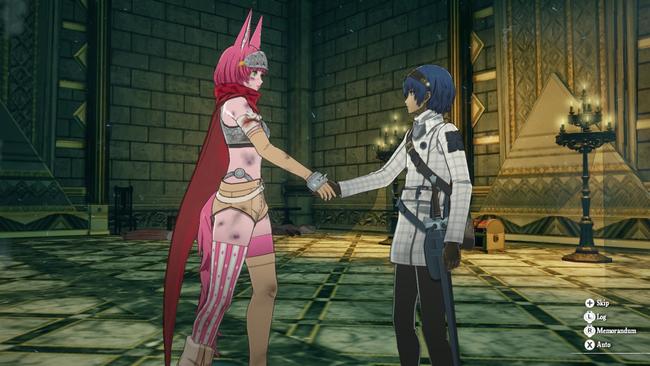
In our testing, the image frequently suffered from significant pixelation and, more concerningly, "ghosting" and image breakup during rapid camera movement. These artifacts are particularly distracting during combat, where the camera is constantly tracking the player’s positioning. The reliance on this specific temporal approach—rather than a more robust solution like NVIDIA’s DLSS—is puzzling. If the Switch 2 is indeed leveraging the hardware capabilities rumored to be in its successor, the absence of a cleaner upscaling implementation is a missed opportunity.
It is worth noting that the settings menu was locked, preventing us from investigating whether there are toggles for "Quality" versus "Performance" modes. Historically, Atlus titles on Nintendo hardware have benefitted from granular control; adding such options would alleviate many of the concerns regarding the current image clarity issues.
Implications for the Final Release
The implications for the November 12 launch are two-fold. On one hand, the fact that the game runs in a playable, largely stable state this far from release is a testament to the strength of the engine. The controls feel snappy, the UI is perfectly legible, and load times—while notably slower than those on the PlayStation 5 or high-end PC—are well within the realm of acceptability for a portable RPG.
On the other hand, the technical inconsistencies raise questions about the studio’s priorities for this port. If the game remains in this state, it will likely be viewed as a "serviceable" port rather than a definitive one. For a game that relies so heavily on its visual flair, the current image quality issues threaten to undermine the immersion.
The Path to November
As we look toward the November 12 release, there are several key milestones the team at Atlus must hit to ensure this version lives up to the quality of its predecessors:
- Framerate Stability: Smoothing out the dungeons is essential. A variable 60 FPS is often more jarring than a locked 30, and the developers should consider whether a high-fidelity 30 FPS cap would be a better experience for the docked mode.
- Upscaling Refinement: Replacing or tweaking the current temporal upscaling is the single most important fix. If the hardware supports it, DLSS implementation would instantly resolve the ghosting and pixelation seen in our demo.
- Handheld Optimization: We have yet to see how the game handles heat, battery life, and resolution in handheld mode. This is where the Switch 2 will either succeed or fail as a Metaphor machine.
- UI/UX Scaling: Ensuring that text, which is already quite dense in Metaphor, remains readable on a smaller screen is a critical usability hurdle that needs to be addressed in the final build.
Final Thoughts: A Promising but Rough Prototype
Metaphor: ReFantazio is, at its heart, a masterpiece of modern JRPG design. Its systems are deep, its narrative is compelling, and its world-building is second to none. Bringing this experience to the Switch 2 is a logical and welcomed move, but the current state of the demo serves as a reminder of the challenges inherent in porting current-gen titles to Nintendo’s architecture.
As it stands, the port is "frustratingly close" to being a must-buy. The core experience is there, the content is intact, and the controls are as precise as ever. If Atlus can leverage the remaining development time to polish the technical edges and refine the image quality, this could easily become the preferred way to play for those who value the flexibility of the Switch ecosystem. However, if the game launches with the current level of ghosting and framerate instability, it may struggle to compete with the more polished versions available on other platforms.
We remain cautiously optimistic. Atlus has a strong track record of supporting their titles post-launch, and there is no reason to believe that the team is unaware of the technical debt present in the current build. We will be keeping a close watch on the development progress as we approach the November 12 launch date. For now, potential players should temper their expectations: Metaphor: ReFantazio on Switch 2 has the potential to be a definitive handheld RPG, but it still has a significant amount of work to do before it earns that title.

