

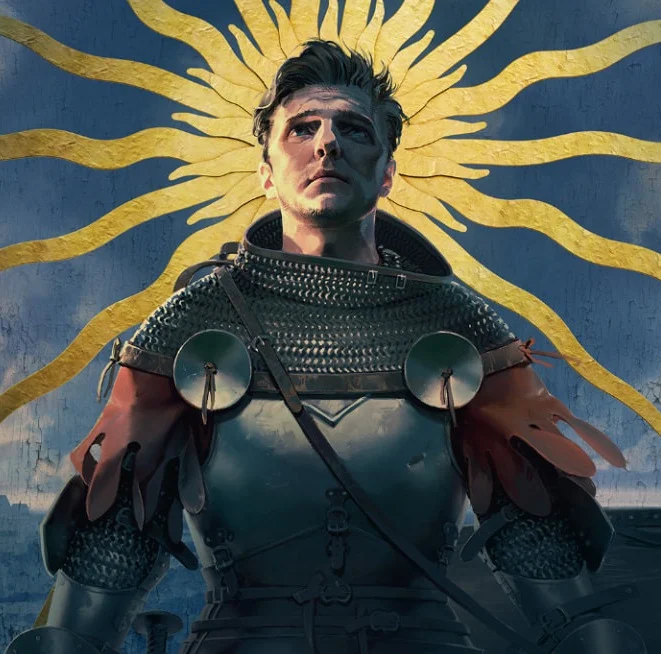
The landscape of modern psychological horror is about to become a little less crowded in the immediate future. Frictional Games, the Swedish studio internationally revered for its genre-defining work on the Amnesia series and the critically acclaimed SOMA, has officially announced that its highly anticipated next project, Ontos, will not meet its original release window. Originally slated for a late 2026 debut, the title has been pushed back, with the studio now targeting a 2027 launch.
This decision marks a significant turning point for the developer, signaling a prioritization of scope, narrative depth, and technical polish over the industry’s often-frantic push for quarterly releases. As the gaming world braces for the looming shadow of Grand Theft Auto 6—a title whose gravity affects the release calendars of virtually every major studio—the decision to grant Ontos additional development time appears to be a calculated move to ensure the game stands on its own merits.
The Announcement: Prioritizing Ambition Over Deadlines
The news arrived via the studio’s official social media channels, where the developers framed the delay not as a setback, but as a commitment to the "ambitious" nature of the project.
"Ontos is our most ambitious game to date, both in terms of its size and scale, and in the depth and layers of our story and gameplay," the studio stated in its official communication. "In order to deliver this vision, we have decided to push the release of Ontos to 2027. We look forward to sharing more updates about Ontos, our characters, and our world soon."
For fans of Frictional Games, this language suggests that the studio is doubling down on the elements that made SOMA (2015) such a cultural touchstone. Unlike the pure "run-and-hide" mechanics of Amnesia: The Dark Descent, which pioneered the modern indie horror movement, Ontos is being positioned as a title that focuses on long-form psychological impact rather than immediate, jump-scare-induced adrenaline.
Chronology of a Vision: From Amnesia to Existentialism
To understand the weight of the Ontos delay, one must examine the evolution of Frictional Games over the last two decades.
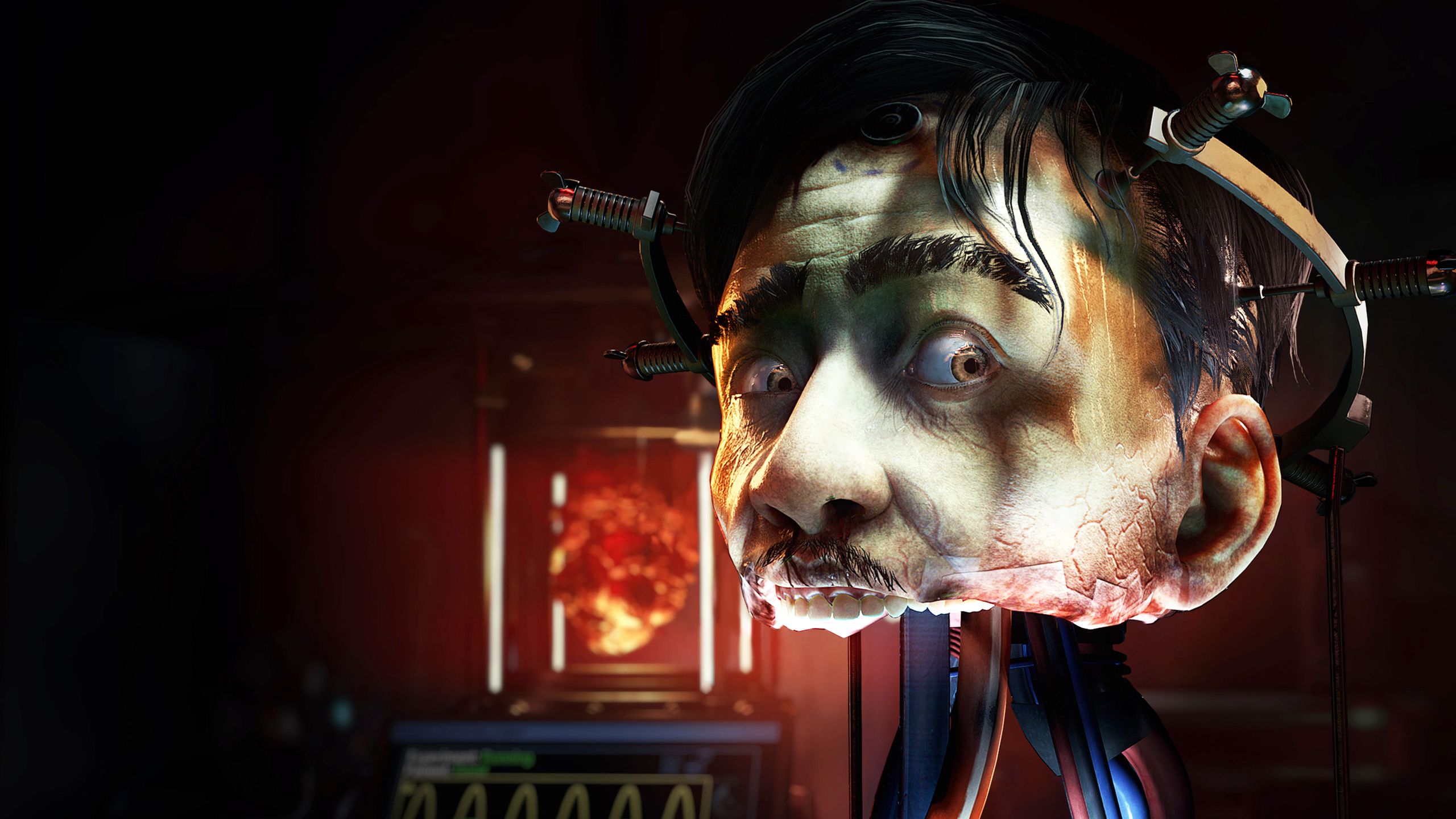
- 2007–2010: The Rise of the Indie Horror Titan. Frictional made its mark with the Penumbra series, eventually achieving global fame with Amnesia: The Dark Descent. This title redefined the player’s role in horror, stripping away combat and forcing users to engage with their environment through vulnerability.
- 2015: The SOMA Pivot. With the release of SOMA, Frictional shifted its focus. While still technically a horror game, SOMA utilized a sci-fi setting to explore deep, unsettling questions regarding consciousness, identity, and the definition of humanity. It proved that Frictional was as much a narrative studio as it was a horror one.
- 2020–2023: Refinement and Experimentation. The studio released Amnesia: Rebirth and Amnesia: The Bunker, the latter of which showcased a new, more systemic approach to horror gameplay—giving players more agency and freedom to solve problems in a semi-open environment.
- 2024–2025: The Ontos Reveal. The announcement of Ontos teased a return to the thematic complexity of SOMA, with early trailers suggesting a focus on "existential terror" rather than traditional "boo-scare" tactics.
- 2026: The Delay. The shift to 2027 reflects the studio’s commitment to expanding the "layers" of gameplay promised in their initial reveal.
Supporting Data: Why "Scope and Scale" Matter
In the current climate of game development, "ambition" is often cited as the reason for delays, but what does that look like for a studio of Frictional’s size? Historically, Frictional Games operates with a lean, efficient team compared to AAA giants. Their games are meticulously crafted, with every environmental object, audio cue, and narrative beat serving a singular, cohesive atmosphere.
When Frictional mentions "size and scale" in relation to Ontos, they are likely referring to the complexity of the game’s world-building. In SOMA, the game succeeded because the horror felt earned—it was built into the logic of the world. If Ontos is significantly larger, the studio is likely grappling with the technical challenges of maintaining that high-density narrative coherence across a more expansive map or a more complex systemic framework.
Furthermore, the "existential terror" the studio is aiming for is notoriously difficult to pace. Unlike a jump-scare, which relies on timing, existential dread relies on the player having the time and mental space to process the information they are given. Ensuring that the gameplay loop supports these "heavy, thought-provoking themes" without feeling tedious is a delicate balance, one that clearly requires more time to iterate upon.
The "GTA 6" Effect: The Shadow of the Colossus
While the studio made no official mention of Rockstar Games’ upcoming juggernaut, the industry at large is currently operating under the "GTA Shadow." With the industry expecting Grand Theft Auto 6 to potentially dominate the second half of 2026 and much of 2027, smaller or mid-tier developers face a difficult choice: launch in the shadow of a sales-cannibalizing behemoth, or move to a less crowded window.
By shifting Ontos to 2027, Frictional is ensuring that their game is not fighting for oxygen in the marketing cycle. It allows for a more focused launch window where the conversation can remain entirely on the artistic merits of Ontos rather than how it stacks up against the technical spectacle of Rockstar’s latest open-world effort.
Implications: A New Standard for Frictional?
The implications of this delay are twofold. First, it reinforces the studio’s independence. By pushing the release, Frictional is signaling that they are not beholden to aggressive quarterly investor demands. This is a rarity in modern gaming and is exactly why their fanbase remains so fiercely loyal.
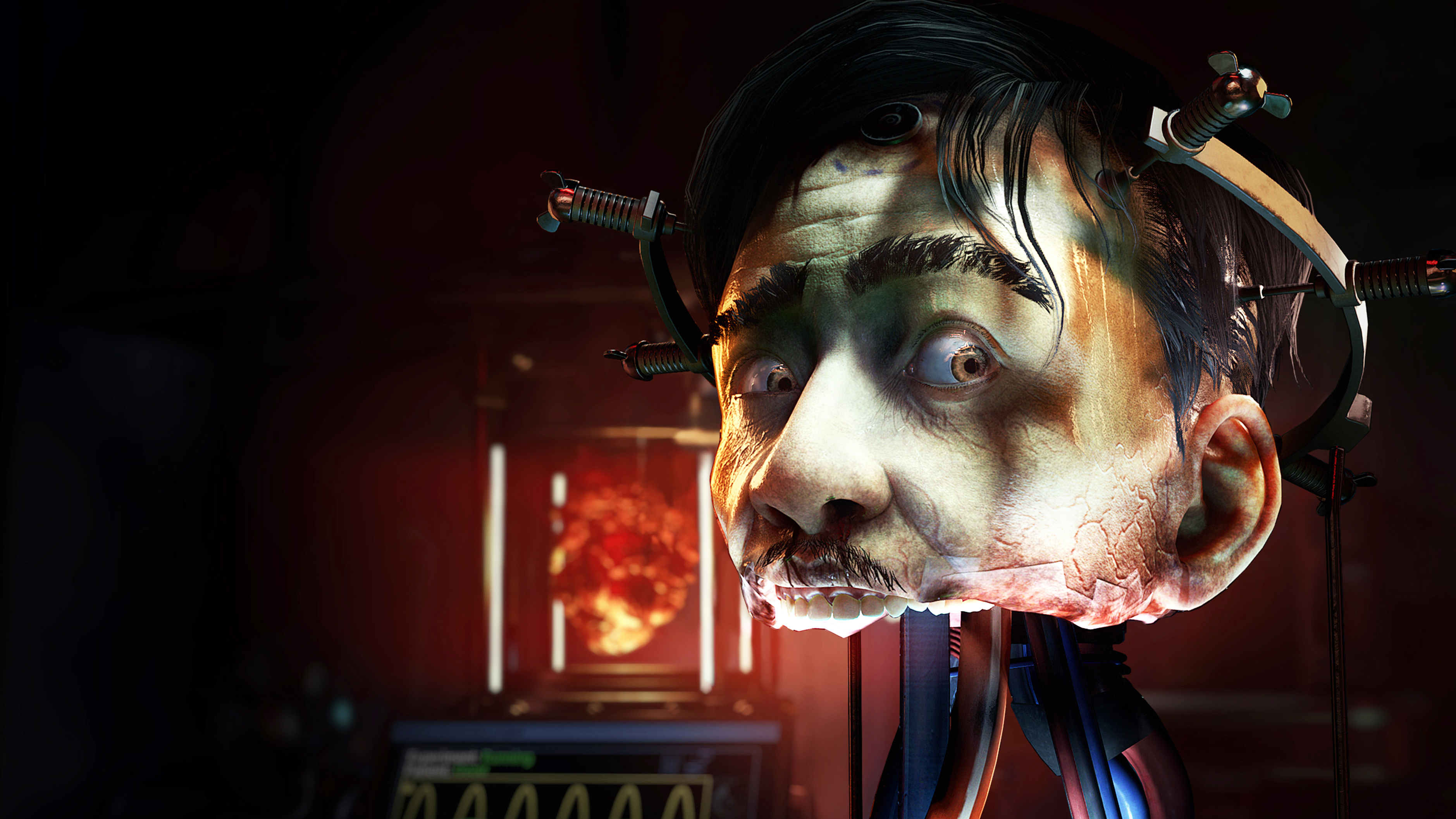
Second, the shift confirms that Ontos is moving away from the "pure horror" label. As the studio noted in earlier updates, their goal is to create something that "stays long after you finish playing." This is the hallmark of prestige horror—a category that includes films like The Lighthouse or Arrival.
The Path Forward
For the player, the delay is naturally frustrating. There is a palpable hunger for the kind of "mess you up real good" storytelling that only Frictional seems capable of delivering. However, the precedent set by SOMA suggests that patience is almost always rewarded.
The studio’s promise to share more updates regarding the characters and the world soon suggests that the core of the game is finished and they are currently in the polish phase—a stage of development where "fixing" and "refining" can take months of work. If they can capture that same lingering, existential dread that defined SOMA, while providing the "size and scale" they claim to be building, Ontos may well become the definitive horror experience of the late 2020s.
As we look toward 2027, the gaming community will continue to monitor the silence from Frictional with anticipation. If history is any indication, when the veil is finally lifted on Ontos, the wait will have been more than justified. For now, we are left to wonder what kind of existential puzzle awaits, and how the studio plans to challenge our perception of reality once again.

