

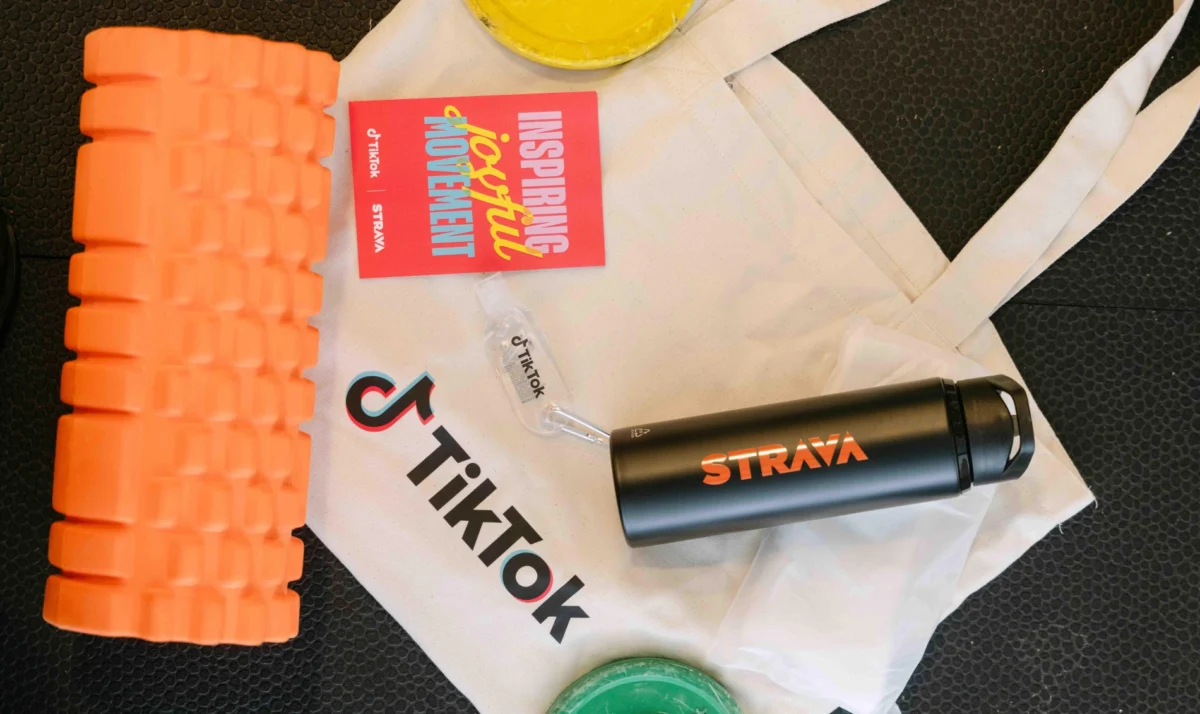
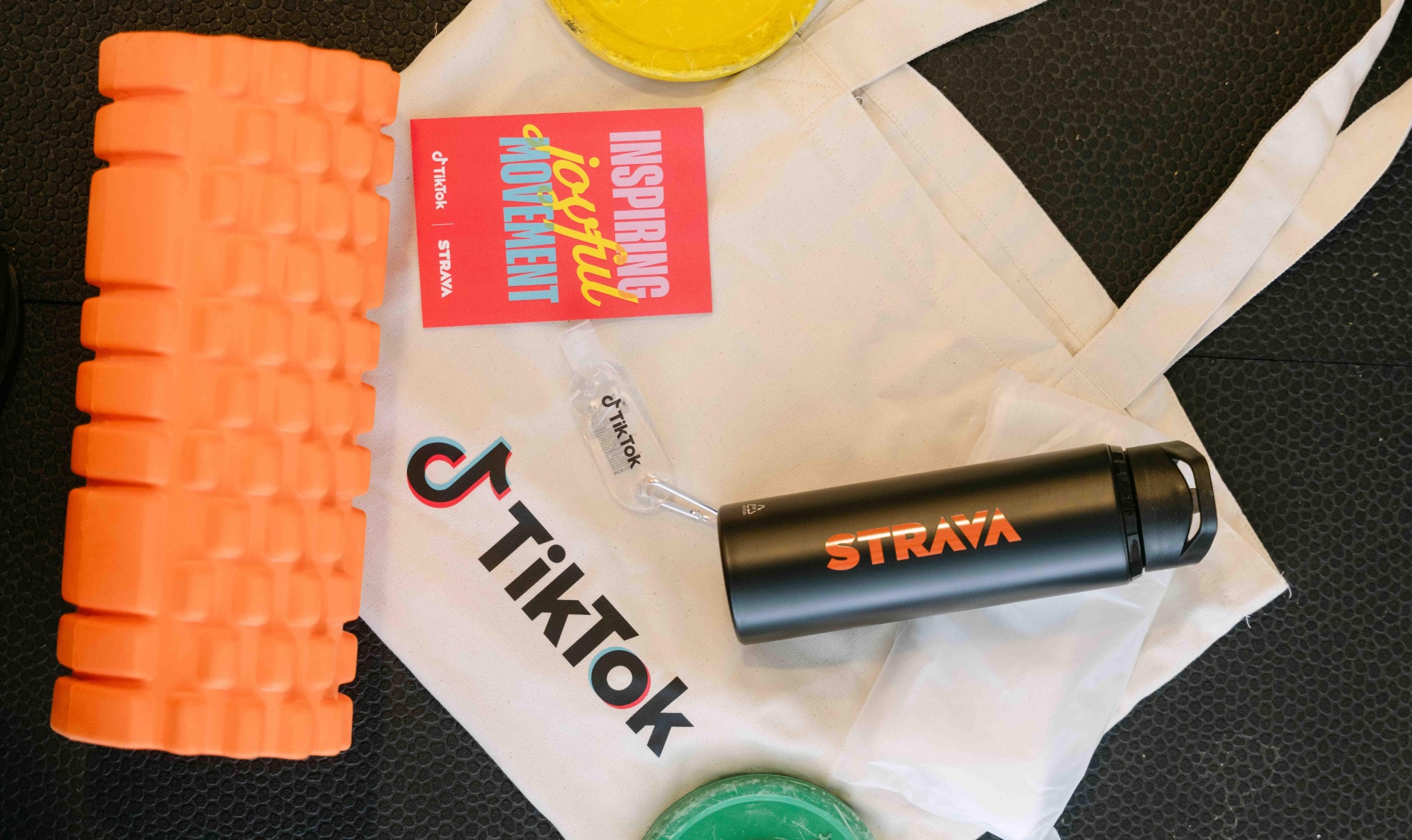
In a significant move to bridge the gap between digital content creation and real-world athletic community building, TikTok and Strava have announced a landmark partnership: the "Local Movement Fund." This €100,000 initiative is designed to identify, support, and elevate the most influential running creators across Europe. By providing direct financial backing and advertising credits, the two social giants are signaling a shift in how fitness trends are cultivated, moving from passive consumption to active, community-led participation.
The Core Mandate: What is the Local Movement Fund?
The Local Movement Fund is a strategic investment pool aimed at 20 selected European "creator-ambassadors." The program is explicitly designed to spotlight local run clubs and the grassroots fitness communities that serve as the backbone of the running world.
The funding structure is dual-pronged. Selected creators will receive direct financial grants to support their club activities—such as event hosting, logistics, and equipment—alongside advertising credits to help them boost their content reach on TikTok. By incentivizing the creation of high-quality, authentic running content, TikTok aims to cement its status as a primary hub for fitness discovery, while Strava reinforces its position as the de facto "social network for athletes."
The program is already in motion. Notable creators like Esther da Souza and Zahra Rose—who maintain a robust presence on both platforms—have been tapped to spearhead the initiative. To mark the launch, Rose has organized a high-profile fun run in Brussels, an event intended to serve as a blueprint for how digital influence can be translated into physical, community-focused engagement.
A Chronology of the Digital Fitness Boom
The convergence of TikTok and Strava is not a random development; it is the culmination of a multi-year surge in the "social runner" phenomenon.
- 2023: Strava began pivoting its business model to aggressively focus on social features, hiring former YouTube executive Michael Martin as CEO to lead the development of community-driven and commercial tools.
- 2025: A watershed year for the platform, Strava reported a staggering 14 billion "kudos"—the app’s signature social interaction—exchanged between athletes. This data point confirmed that users were no longer just tracking their heart rates; they were building social circles.
- Late 2025 to Early 2026: TikTok observed a massive uptick in #RunTok content. Seeing the synergy between the two platforms, the companies began high-level discussions on how to formalize the creator-athlete relationship.
- June 2026: The official launch of the Local Movement Fund, marking the first time the two entities have collaborated on a continent-wide financial investment project for independent creators.
Data-Driven Fitness: The Power of Community
The data supporting this partnership is compelling. Running has evolved from a solitary pursuit into a highly social, aesthetic, and shareable experience. The rise of the "run club" in major European cities is a direct result of digital connectivity. Creators who document their "Couch to 5K" journeys or their marathon training blocks provide a roadmap for beginners, effectively lowering the barrier to entry for the sport.
However, the sheer volume of engagement—evidenced by the 14 billion kudos mentioned—indicates that the community is hungry for more than just metrics. They want narratives. By investing in the creators who provide these narratives, TikTok and Strava are effectively outsourcing their community management to the individuals who already have the trust of the running public.
Official Perspectives and Strategic Vision
The partnership represents a calculated effort to ensure that the growth of running communities is both safe and sustainable. Dr. Nikki Soo, TikTok’s Safety and Well-being Public Policy Lead for Europe, emphasized that these communities do not materialize by chance.
"Inclusive communities on TikTok don’t happen by accident," Dr. Soo stated. "They are built by creators who turn their own movement into inspiration for others to get active and make connections. This partnership with Strava is about celebrating and amplifying that incredible, organic movement. By investing directly in these community leaders, we’re helping to ensure that the journey from discovering a new passion online to pursuing it offline is safe, accessible, and sustainable for everyone."
This emphasis on "safety and sustainability" is a nuanced nod to the complexities of the creator economy. TikTok has faced historical criticism regarding its role in propagating harmful health trends. By shifting the narrative toward community-led, expert-vetted, and club-supported physical activity, the platform is attempting to rebrand itself as a catalyst for positive physical and mental well-being.
The Challenges: Navigating the "Influencer Effect"
While the partnership promises to foster healthy activity, it does not ignore the growing pains associated with the "influencer-athlete." The sport of running has experienced friction as digital creators move into the space of competitive racing.
The disqualification of influencer Matthew Choi from the 2024 New York City Marathon serves as a cautionary tale. Critics have argued that the pressure to produce "viral" content can sometimes lead to rule-breaking, course cutting, or the creation of dangerous conditions for other runners. As influencers gain more access to high-profile races, the industry is grappling with how to enforce traditional racing etiquette in a world where the camera is always rolling.
To address these concerns, TikTok and Strava have taken a proactive step by commissioning research from Praesidio Safeguarding. This firm is tasked with identifying best practices for platforms to promote physical and mental well-being as they facilitate the transition from digital interest to real-world participation. This indicates a maturity in the corporate strategy: acknowledging that with the power to influence thousands of people comes a professional responsibility to regulate the environment.
Long-term Implications for the Fitness Industry
The Local Movement Fund is more than just a marketing campaign; it is a signal of how the fitness industry will function in the next decade.
1. The Professionalization of the "Runfluencer"
We are moving toward a model where the "running creator" is viewed as a legitimate community leader. With the support of platforms like TikTok and Strava, these individuals are becoming the new gatekeepers of the sport, replacing traditional fitness magazines and television broadcasts.
2. The Decentralization of Fitness
By focusing on local run clubs, the fund is decentralizing the fitness industry. Instead of focusing on elite athletes or global brands, the spotlight is shifting to the local park, the neighborhood run group, and the amateur athlete who has built a loyal following. This shift is likely to encourage higher participation rates among demographics that were previously excluded from traditional fitness circles.
3. Safety as a Competitive Advantage
As digital health platforms come under increased regulatory scrutiny, safety is becoming a competitive advantage. By partnering with organizations like Praesidio Safeguarding, TikTok and Strava are attempting to "future-proof" their fitness content against accusations of negligence or harmful trends.
4. The Integration of Social and Performance Data
The partnership hints at a deeper technical integration. As TikTok increases its library of running-related posts, we may see more native integrations between the two apps—perhaps allowing users to overlay their Strava performance data directly onto their TikTok videos in a way that is automated, verified, and aesthetically curated.
Conclusion: A New Era of Active Engagement
The €100,000 Local Movement Fund is a modest investment for two multi-billion-dollar entities, but its symbolic value is immense. It signals that the era of "digital-only" interaction is being superseded by a "phygital" (physical plus digital) model, where the success of a platform is measured by how effectively it drives users off their screens and into the real world.
As these 20 creators begin their work across Europe, the industry will be watching closely. If this model succeeds, we can expect to see similar funds established for other sports—from cycling to swimming to yoga. By prioritizing community leaders who are committed to safety and inclusion, TikTok and Strava are not just chasing trends; they are attempting to curate the future of how humanity stays active. For the millions of runners currently logging their miles, this partnership could be the catalyst that turns a solitary jog into a vibrant, global, and thoroughly connected movement.

