

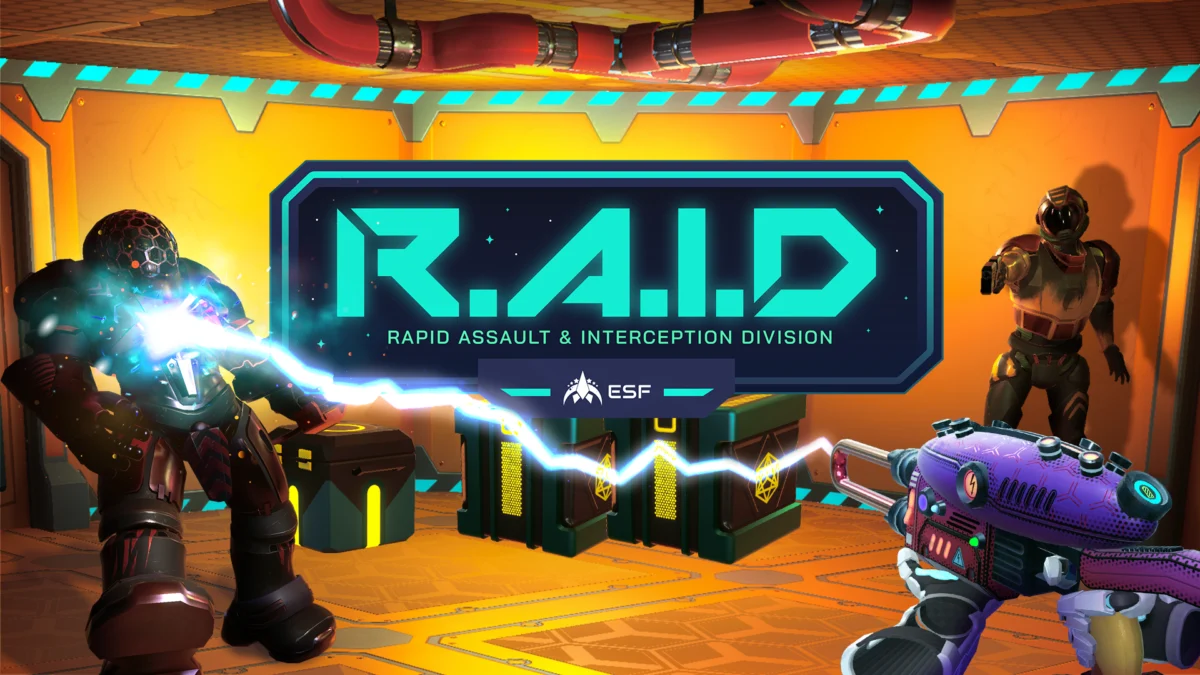
The landscape of virtual reality gaming is currently experiencing a renaissance of high-intensity, immersive tactical experiences. Among the most intriguing titles to emerge from the recent VR Games Showcase is R.A.I.D. (Rapid Assault & Interception Division), a high-stakes space shooter that blends procedural investigation with pulse-pounding tactical combat. Developed by the team at FusionPlay and brought to market by publisher Impact Inked, R.A.I.D. promises to transform the mundane act of customs inspection into a desperate fight for survival in the vacuum of space.
Main Facts: The Premise of Interstellar Law Enforcement
At its core, R.A.I.D. places the player in the boots of an officer stationed aboard a high-tech orbital customs station. Tasked with the responsibility of safeguarding Earth from illicit interstellar cargo, the player serves as the final line of defense against smuggling, piracy, and extraterrestrial threats.
The game’s primary gameplay loop is built on a "detect and neutralize" mechanic. Players are presented with incoming spacecraft, which are generated procedurally to ensure that no two inspection shifts feel identical. Upon the arrival of a vessel, the player must conduct a rigorous scan of the cargo manifests and physical hull. The stakes are immediate: if a ship is cleared, it proceeds toward Earth; if it is flagged as suspicious, the player must initiate a boarding sequence.
Once the "Interception" protocol is triggered, the game shifts from a methodical simulation into a fast-paced, room-based tactical shooter. Players must breach the docked vessel, clear hostile corridors, and neutralize threats ranging from space pirates to rogue alien entities. This dual-layered gameplay—balancing administrative vigilance with aggressive combat—distinguishes R.A.I.D. from standard wave-shooters currently dominating the VR market.
A Brief Chronology: From Logo to Trailer
The journey of R.A.I.D. has been one of calculated reveals. The project first surfaced last month during the Creature Feature Showcase, a low-key announcement that utilized little more than a stark, militaristic logo. During that event, Todd Jackson of Impact Labs issued a direct call to action for the VR community, soliciting playtesters to help refine the core mechanics of the title.
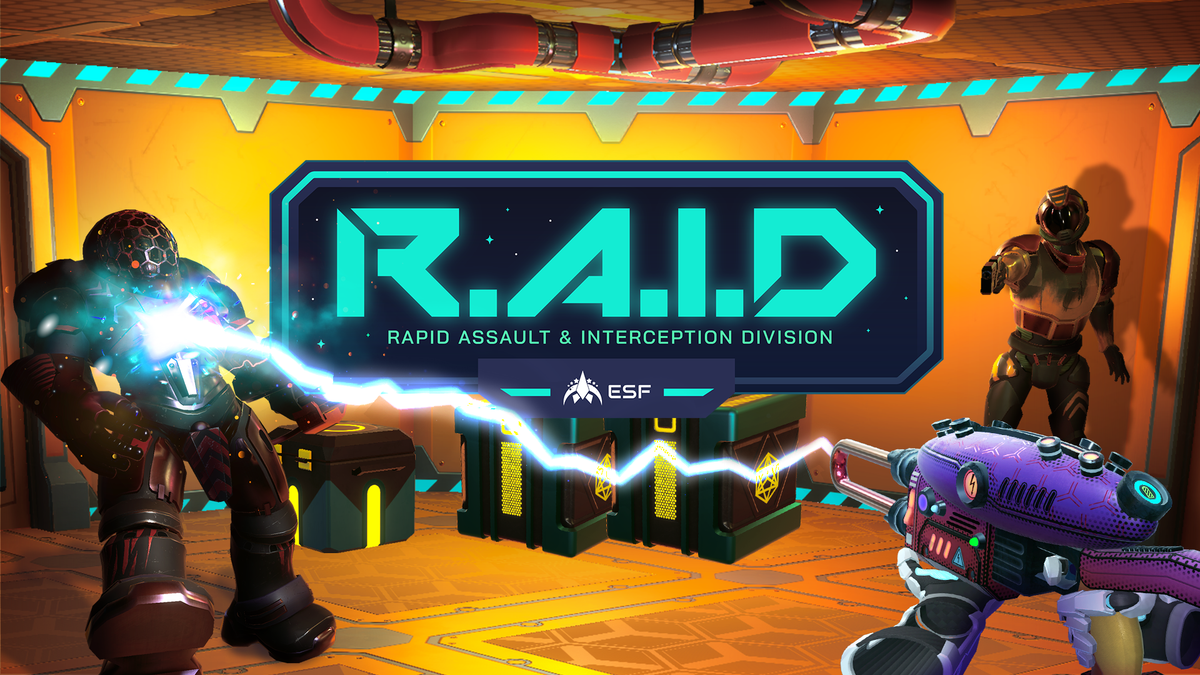
For weeks, the industry was left to speculate about the nature of the acronym. Was it a stealth game? A flight simulator? A horror experience? The silence was finally broken at the latest VR Games Showcase, where the developers unveiled a 23-second teaser trailer. The footage offered the first real look at the game’s aesthetic, confirming a gritty, industrial sci-fi art style that emphasizes the claustrophobic nature of space-faring vessels.
Since the showcase, the development team has shifted into a more public phase of communication, confirming that the game is now available for wishlisting on both Steam and the Meta Quest platform, signaling a global launch strategy that targets the most popular VR hardware currently on the market.
Supporting Data: Mechanics, Upgrades, and Progression
R.A.I.D. is not merely a shooter; it features a robust progression system designed to keep players engaged over extended sessions. Between inspection shifts, players return to the safety of their orbital station to process their findings.
The Economy of Conflict
The game utilizes a dual-currency system: Credits and Protocol Points.
- Credits are earned through successful seizures of contraband and completing inspection shifts without incident. These are primarily used for purchasing hardware, including new weapon attachments, armor plating, and tactical gear.
- Protocol Points serve as the game’s experience-gating mechanism. These are awarded for high-level performance during interceptions and are required to climb the ranks of the Rapid Assault & Interception Division.
Tactical Customization
The customization suite allows for a personalized approach to combat. Because the vessels are procedurally generated, the interior layouts, enemy densities, and environmental hazards (such as depressurization or zero-gravity pockets) change frequently. Players must upgrade their loadouts to accommodate these shifts. For instance, a player might choose to invest in high-penetration ballistics for armored pirate encounters or non-lethal suppressors for delicate boarding operations where collateral damage must be minimized.
Official Responses and Developer Intent
In the wake of the showcase, the partnership between FusionPlay and Impact Inked has been highlighted as a key strength for the project. While FusionPlay handles the technical heavy lifting of the procedural generation and combat physics, Impact Inked has leveraged its experience in the indie VR space to refine the user interface and onboarding process.
"The goal with R.A.I.D. was to capture that specific tension found in sci-fi thrillers where the door is about to open, and you don’t know what’s on the other side," said a representative close to the production. "By blending the ‘paperwork’ of customs work with the chaos of a breach-and-clear mission, we are creating a psychological contrast that keeps the player on their toes."
The feedback from the initial playtesting call-to-action has been described as "instrumental." Early testers reportedly emphasized the need for visceral feedback in the weapons—a point the developers addressed by focusing on haptic integration and realistic physics-based weapon handling.
Implications: The Future of Procedural VR Shooters
The emergence of R.A.I.D. arrives at a critical juncture for VR gaming. As headsets become more powerful, developers are moving away from linear, "on-rails" shooters toward more dynamic, repeatable content.
Replayability as a Standard
The procedural generation of the ships is a bold choice. In many VR shooters, once the campaign is complete, the title is shelved. By generating ships on the fly, R.A.I.D. positions itself as a "forever game," similar to titles like Robo Recall or Superhot VR, where the fun is derived from mastering mechanics rather than simply seeing the ending. If FusionPlay successfully balances the procedural elements—ensuring that the ships feel like cohesive environments rather than random collections of hallways—the game could become a staple of the VR library.
The "Job Simulator" Evolution
There is a burgeoning sub-genre of VR games that takes mundane jobs—cooking, cleaning, office work—and injects them with high-stakes chaos. R.A.I.D. represents an evolution of this concept. It effectively asks the question: What if customs work involved an active combat zone? This juxtaposition is highly effective in VR, where the physical immersion of opening a cargo crate and discovering a cache of illicit goods is inherently more rewarding than simply pressing a button on a flat screen.
Industry Impact
The collaboration with Impact Inked also suggests that the project is being positioned for long-term support. With the game now available for wishlist on both Steam and Meta Quest, the developers are clearly aiming for cross-platform success. Should R.A.I.D. perform well, it could set a new benchmark for mid-tier indie VR studios, proving that a focused, mechanics-driven shooter can compete with larger, more narrative-heavy productions.
Conclusion
As we look toward the release of R.A.I.D., the expectations are high. The trailer provided just enough of a glimpse into the dark, neon-lit corridors of the game’s orbital station to pique the interest of any fan of hard sci-fi. By marrying the procedural nature of modern roguelites with the visceral satisfaction of tactical VR combat, FusionPlay appears to be crafting an experience that rewards both patience and aggression.
Whether you are a fan of tactical shooters or simply a player looking for the next great VR challenge, R.A.I.D. is a title that demands attention. With the playtesting phase continuing to refine the experience, the final product promises to be a tense, rewarding, and highly replayable entry into the virtual reality space. For those interested in joining the ranks of the division, the call has been made—it is time to start scanning those manifests and preparing for the breach.
R.A.I.D. is currently available for wishlisting on Steam and the Meta Quest Store. Stay tuned for further updates on release dates and developer diaries.

