

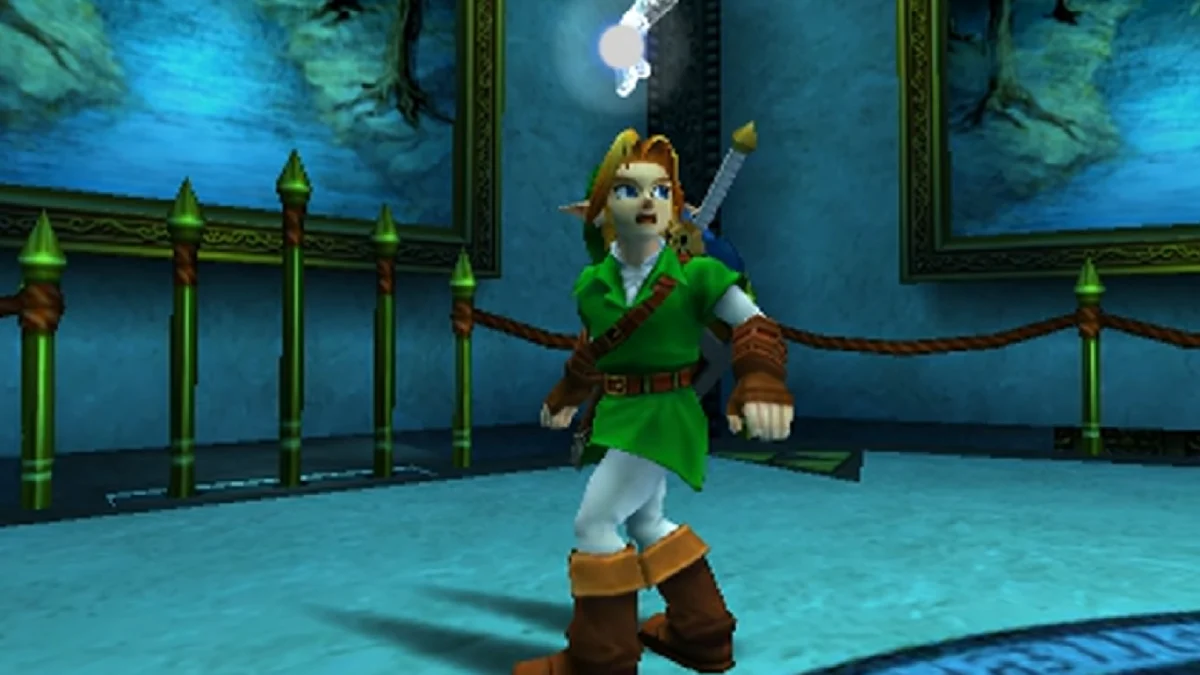
The gaming world is currently abuzz with anticipation for the upcoming remake of The Legend of Zelda: Ocarina of Time. As fans prepare to revisit the hallowed halls of the Forest Temple and the imposing architecture of the Gerudo Fortress, a fascinating narrative has re-emerged from the annals of Nintendo’s history. While modern players often debate the shift away from traditional, linear "dungeon-crawling" seen in Breath of the Wild and Tears of the Kingdom, the seeds of this structural evolution were actually sown over 25 years ago.
It appears that Shigeru Miyamoto—the visionary architect of the franchise—began questioning the necessity of the "Dungeon Supremacy" model long before the open-air revolution took hold.
The Evolution of the Zelda Formula: A Historical Chronology
To understand the current state of The Legend of Zelda, one must look at the series’ foundational design philosophy. In the early days of the Nintendo Entertainment System, the original Legend of Zelda was, by Miyamoto’s own admission, little more than a collection of dungeons.
"In every Zelda development, the dungeons take a huge amount of time to make," Miyamoto noted in a candid 1999 interview translated by Shmuplations. "I can’t tell you how many times they end up having to be remade and revised, while the team is on the verge of tears. Did you know, in the original Legend of Zelda, at the beginning of the development it was just dungeons. There was no overworld map. That’s a testament to the ‘Dungeon Supremacy’ philosophy we’ve always followed."
Following the massive success of Ocarina of Time in 1998, Nintendo faced a crossroads. The transition to 3D space provided a new canvas that allowed for greater narrative scope and environmental storytelling. Consequently, titles like Majora’s Mask and The Wind Waker began to de-emphasize the sheer volume of dungeons, opting instead to invest that development time into expansive overworld exploration and side-quest depth.
While Twilight Princess made a concerted effort to return to the classic dungeon-heavy structure, it stood as a thematic outlier. By the time the Wii U and Switch eras arrived, the "linear maze" design had been effectively dismantled in favor of the systemic freedom that defines the modern Zelda experience.
The 1999 Revelation: Why Dungeons Felt "Un-Zelda"
Perhaps the most surprising revelation from the archives is that Miyamoto viewed the deviation from traditional dungeons during the Ocarina of Time development as an "un-Zelda" move. When the development team moved away from the design constraints established by A Link to the Past, they discovered a newfound agility.
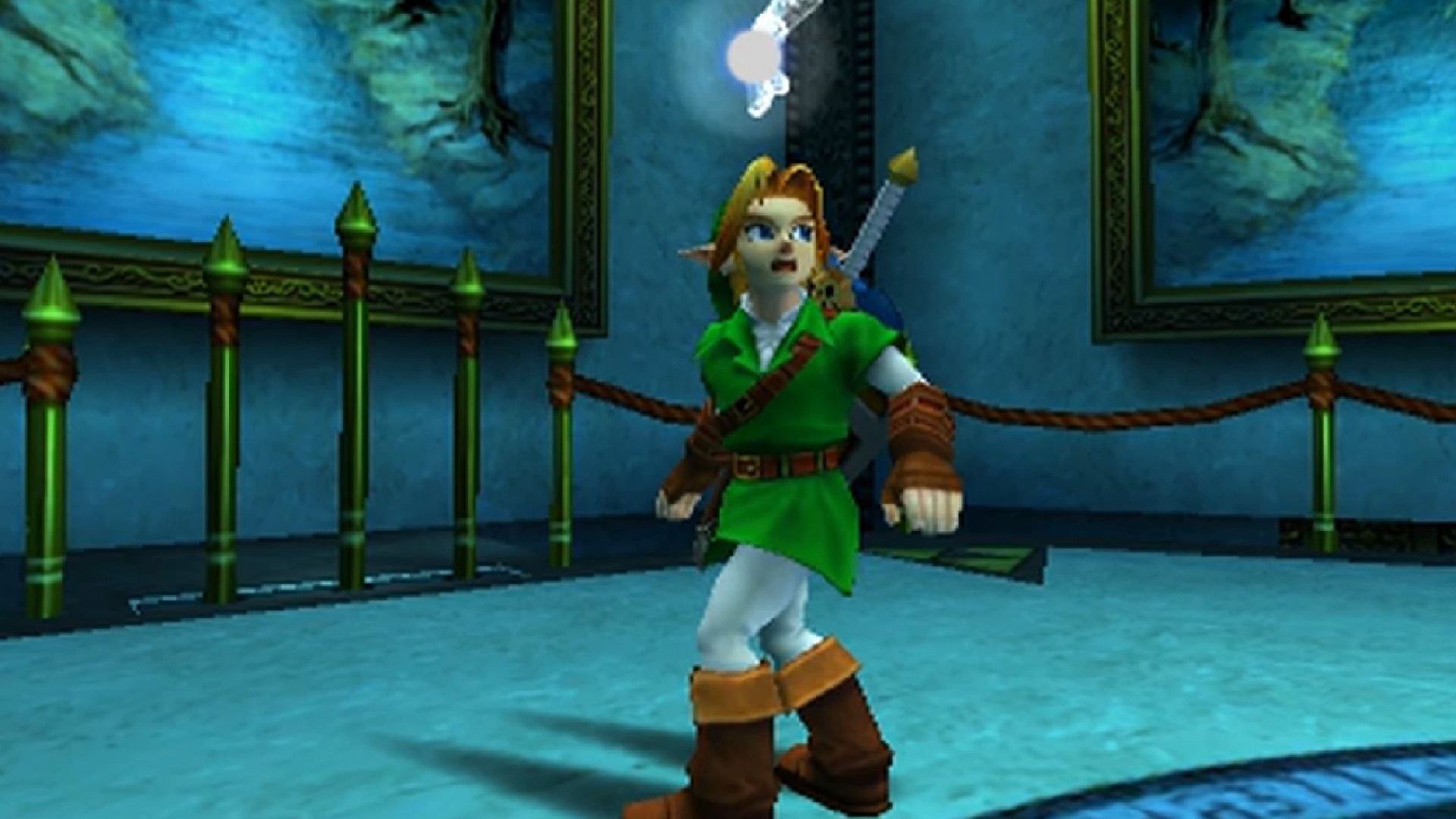
"With Ocarina of Time, for the first time we didn’t spend as much time on the dungeons," Miyamoto explained. "To the extent that we weren’t constrained by earlier notions, it went fairly quickly."
This admission highlights a fundamental tension in game design: the balance between nostalgia-driven expectations and the desire for creative innovation. Miyamoto wasn’t just building a game; he was actively critiquing the genre he helped create. He challenged his team to consider whether the "linear, linked maze" structure was inherently fun, or if it was merely a vestige of technical limitations from the 8-bit and 16-bit eras.
Miyamoto’s Philosophy: Dread, Pressure, and Immediacy
The most compelling insights from Miyamoto focus on the emotional connection between the player and the world. In the late 90s, he posed a provocative question to his staff: "Is it still fun to spend all that time plotting your way through [linear mazes]? And the conclusion we came to is no, it’s not really that much fun."
Instead of the mechanical satisfaction of solving a pre-determined puzzle box, Miyamoto argued for a more visceral experience. He believed the future of the series lay in:
- Emotional Immediacy: The sense that the player is truly "there" in the environment.
- Atmospheric Pressure: Creating a sense of dread and tension through environmental design rather than just locked doors and keys.
- Organic Discovery: Replacing the rigid, step-by-step puzzle progression with a system that rewards curiosity and emergent gameplay.
Even at the time, Miyamoto was skeptical of the traditional dungeon format in 3D. "There are still traditional mazes, like Gerudo’s Fortress and the Forest Temple," he noted, "but overall I don’t think those are very appropriate to a 3D game."
Implications for the Ocarina of Time Remake
The upcoming remake serves as a bridge between two worlds. It represents a "revisitation" of the very design philosophy Miyamoto was questioning in 1999. For many players, those dungeons—the Water Temple, the Shadow Temple, the Spirit Temple—remain the gold standard of the series. They are not merely "mazes"; they are masterclasses in pacing, music, and thematic consistency.
The existence of this remake presents a unique opportunity to study the contrast between past and present. If Miyamoto felt that linear mazes were "un-Zelda" at the dawn of the 3D era, how will a modern audience, accustomed to the total freedom of Tears of the Kingdom, perceive these same designs?
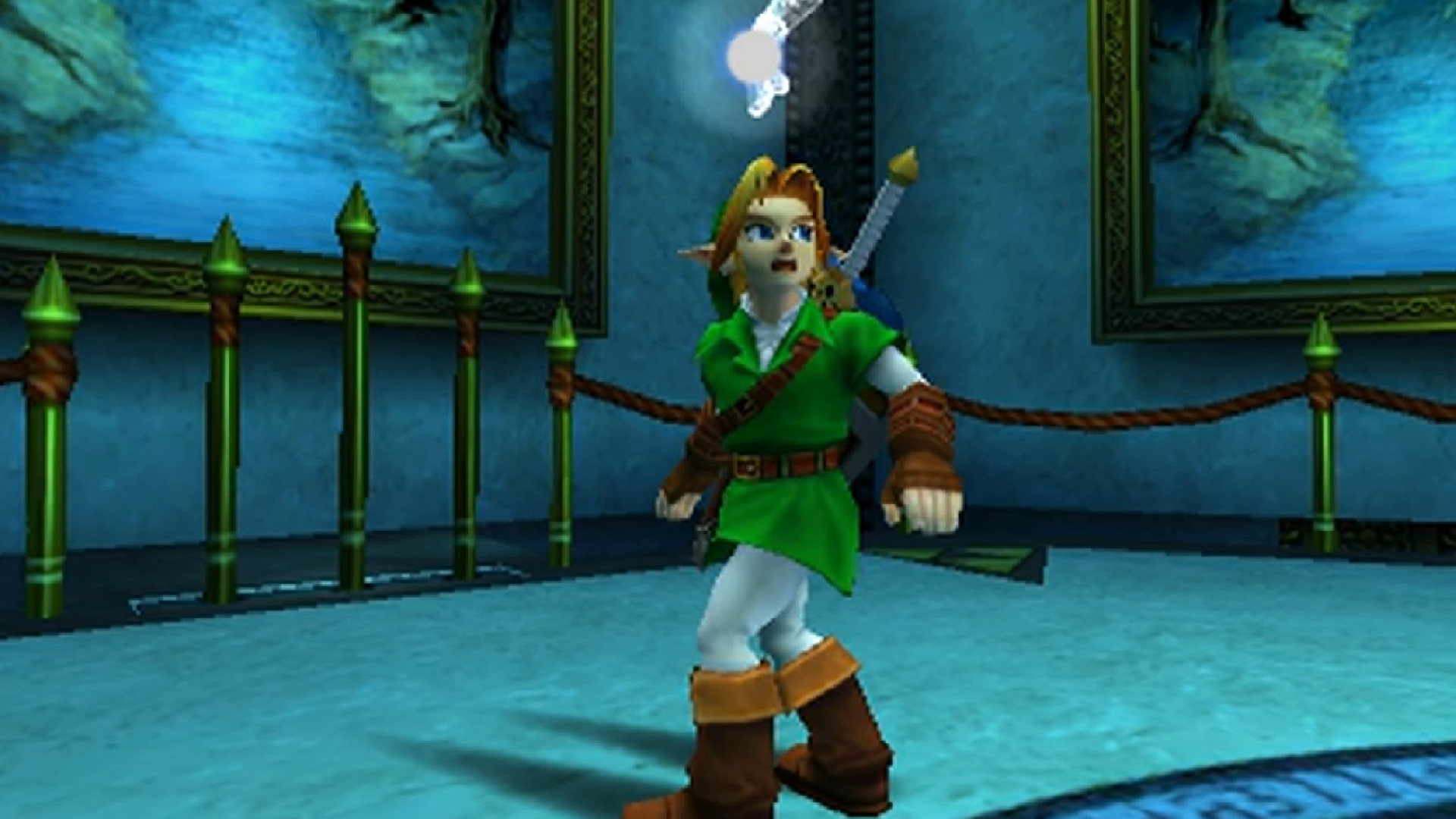
There is an inherent irony in the fact that the most "loved" aspects of the game—the dungeons—were the parts that the creator felt were the least essential to the experience. This tension creates a fascinating layer for the remake. Will the developers tweak the designs to feel more "open," or will they lean into the rigid, atmospheric pressure that made the 1998 original a landmark in gaming history?
The Legacy of the "Dungeon Supremacy" Philosophy
The shift from the "Dungeon Supremacy" era to the "Open Air" era isn’t a failure of design; it is a testament to the franchise’s evolution. However, the endurance of Ocarina of Time in the public consciousness suggests that Miyamoto’s early reservations about dungeons might have been slightly off the mark—or, at the very least, that the player base finds value in the structured challenge that the creator once dismissed.
Modern players crave the "dread and pressure" Miyamoto spoke of, but they often find it most effectively channeled through the specific, tightly-curated environments of a well-designed dungeon. The "puzzle box" design offers a sense of progression and mastery that open-world systems sometimes struggle to replicate.
As we look toward the future, the Ocarina of Time remake acts as a mirror. It asks us to look back at the origins of 3D Zelda and reconcile the "un-Zelda" design decisions of the past with our modern expectations. Whether or not these dungeons are "appropriate" for 3D is a question that has been answered by the test of time: they aren’t just appropriate; they are essential.
In conclusion, the debate over dungeon design is not a battle between the "old guard" and the "new school." It is a conversation about what makes The Legend of Zelda feel like home. Whether we are gliding through the open skies of Hyrule or navigating the dark, intricate corridors of the Forest Temple, we are all looking for that same sense of wonder. Miyamoto may have been skeptical of the maze, but he unknowingly created a labyrinth so compelling that we have been happily lost in it for over a quarter of a century. As the remake approaches, we are reminded that sometimes, getting lost in a well-crafted maze is exactly the kind of fun we need.

