

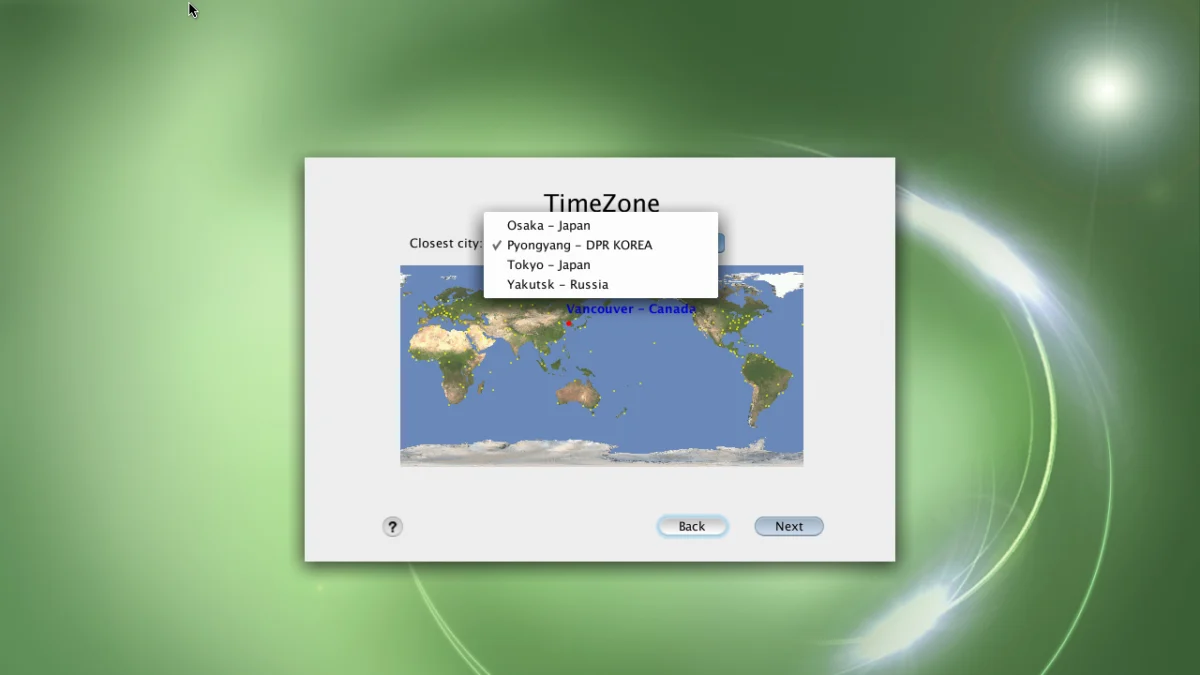
In the world of operating systems, there are the giants—Windows, macOS, and the expansive, collaborative universe of Linux. Then, there is RedStar OS. Developed by the Korea Computer Centre in Pyongyang, this North Korean Linux distribution serves as the primary digital interface for the nation’s state-sanctioned computing environment. While most users view operating systems as tools for productivity or entertainment, RedStar OS is, by design, a tool for surveillance and state control.
This weekend, we revisit the peculiar challenge of running this "pariah" operating system. Last explored in 2022, the mission was simple: determine if this locked-down, secretive environment could be coaxed into the modern era—or at least, coaxed into running a game.
The Architecture of Seclusion
To understand the difficulty of running RedStar OS, one must understand its foundation. The OS is famously based on an ancient build of Fedora (Fedora 15), dating back to 2011. In the world of open-source software, 2011 is an eternity. While the rest of the world has moved on to modern kernels and sophisticated package management, RedStar remains anchored in the past, heavily modified to prevent users from accessing anything outside of the domestic "Kwangmyong" intranet.
The operating system is notorious for its aggressive watermarking. Every document, image, or media file that touches the system is tagged. This serves a clear purpose: tracing the provenance of information within the state. If an illicit file is found, authorities can backtrack through the file’s metadata to identify which specific machine generated or modified it.
Chronology of a Failed Modernization
My return to RedStar was sparked by the emergence of "RedStar OS 3.5," a fan-made mod. Unlike the vanilla version, this project claims to strip out the intrusive spyware, enable root access, translate the GUI into English, and—most ambitiously—integrate a 64-bit kernel and updated libraries.
Phase 1: The Virtual Barrier
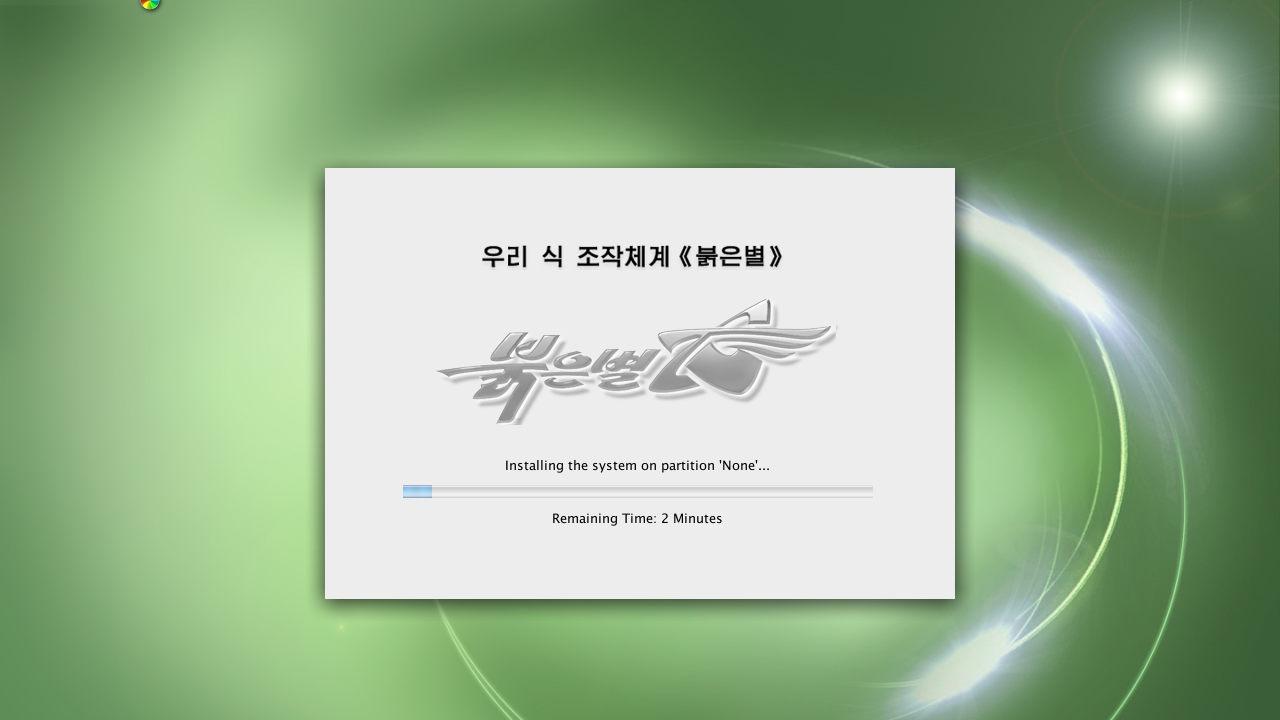
The initial hurdle was the boot process. In 2022, getting RedStar to run in a virtual machine (VM) was an exercise in frustration, characterized by constant crashes and boot-looping. Using Virtual Machine Manager this time, the installation was surprisingly seamless—until the login screen.
As soon as the OS attempted to initialize the desktop environment, the login manager would buckle, collapsing into a digital mess of colors. It became clear that RedStar’s login manager is programmed to detect and reject specific virtualization environments—likely as a security measure to prevent tampering. After several failed attempts at forcing a TTY terminal command line, I eventually found success by switching to Oracle’s VirtualBox. The transition to a different hypervisor acted as a "skeleton key," finally granting access to the iconic green desktop.
Phase 2: The Modding Quagmire
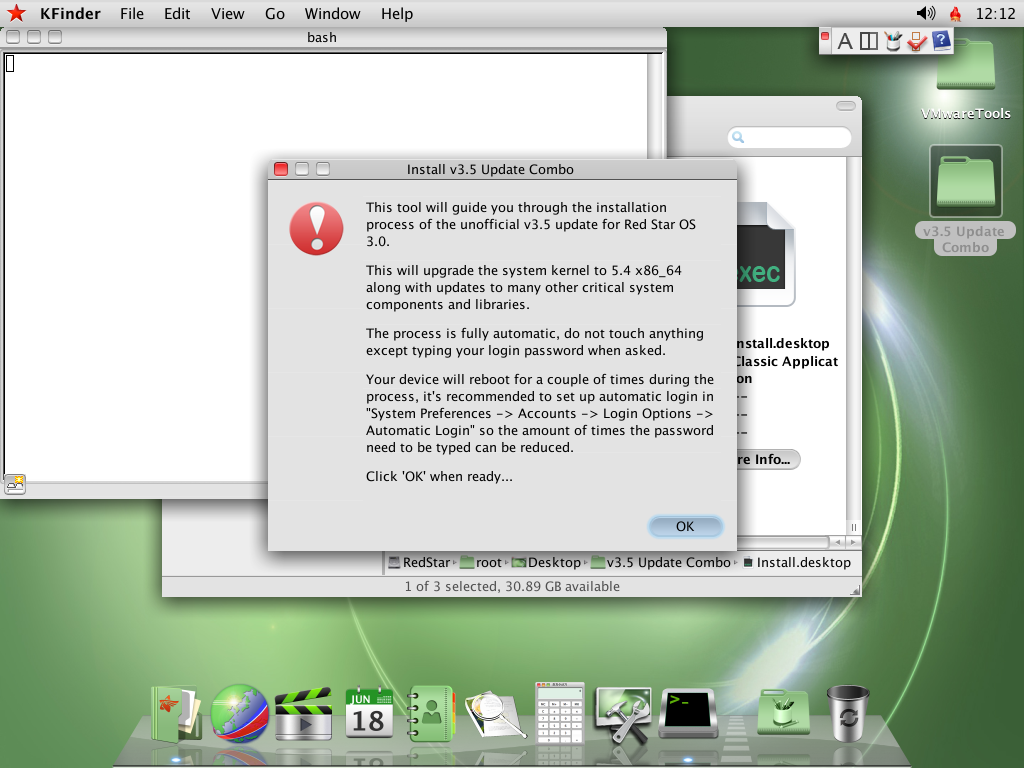
With the OS running, I initiated the "First Stage" of the 3.5 mods. This process went smoothly, successfully scrubbing the system of its most egregious spyware and allowing for external internet connectivity via terminal commands.
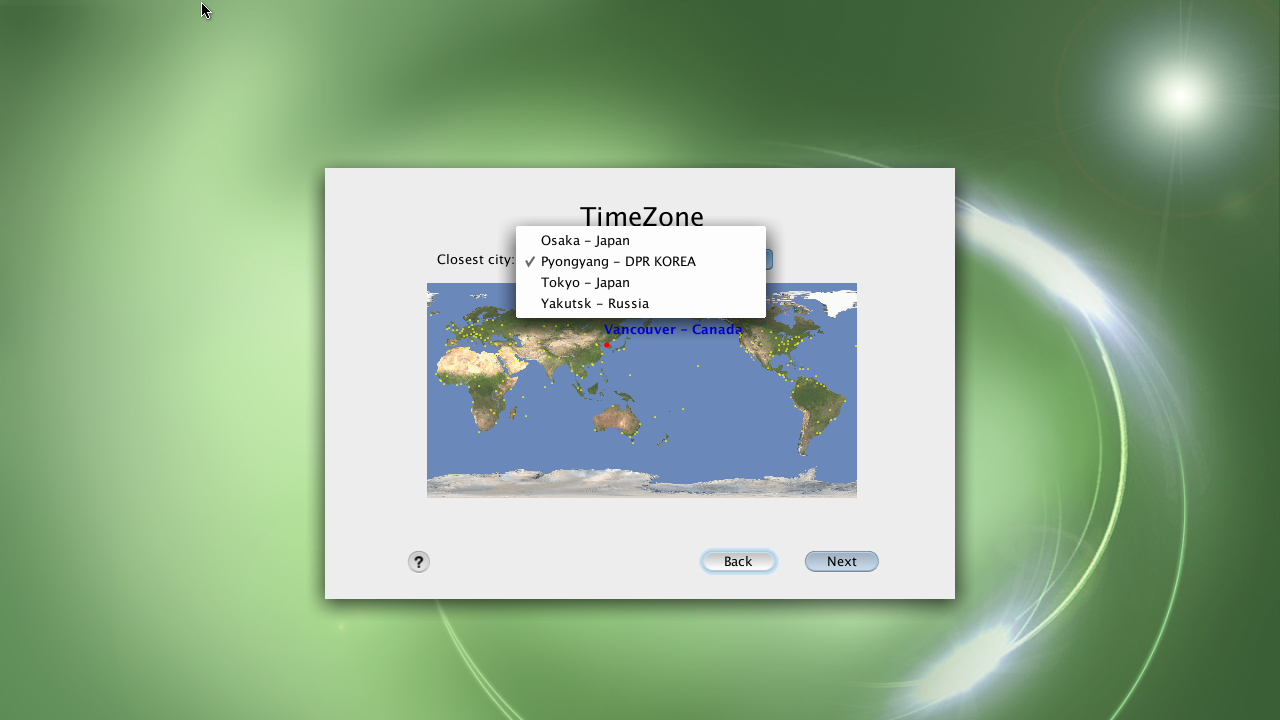
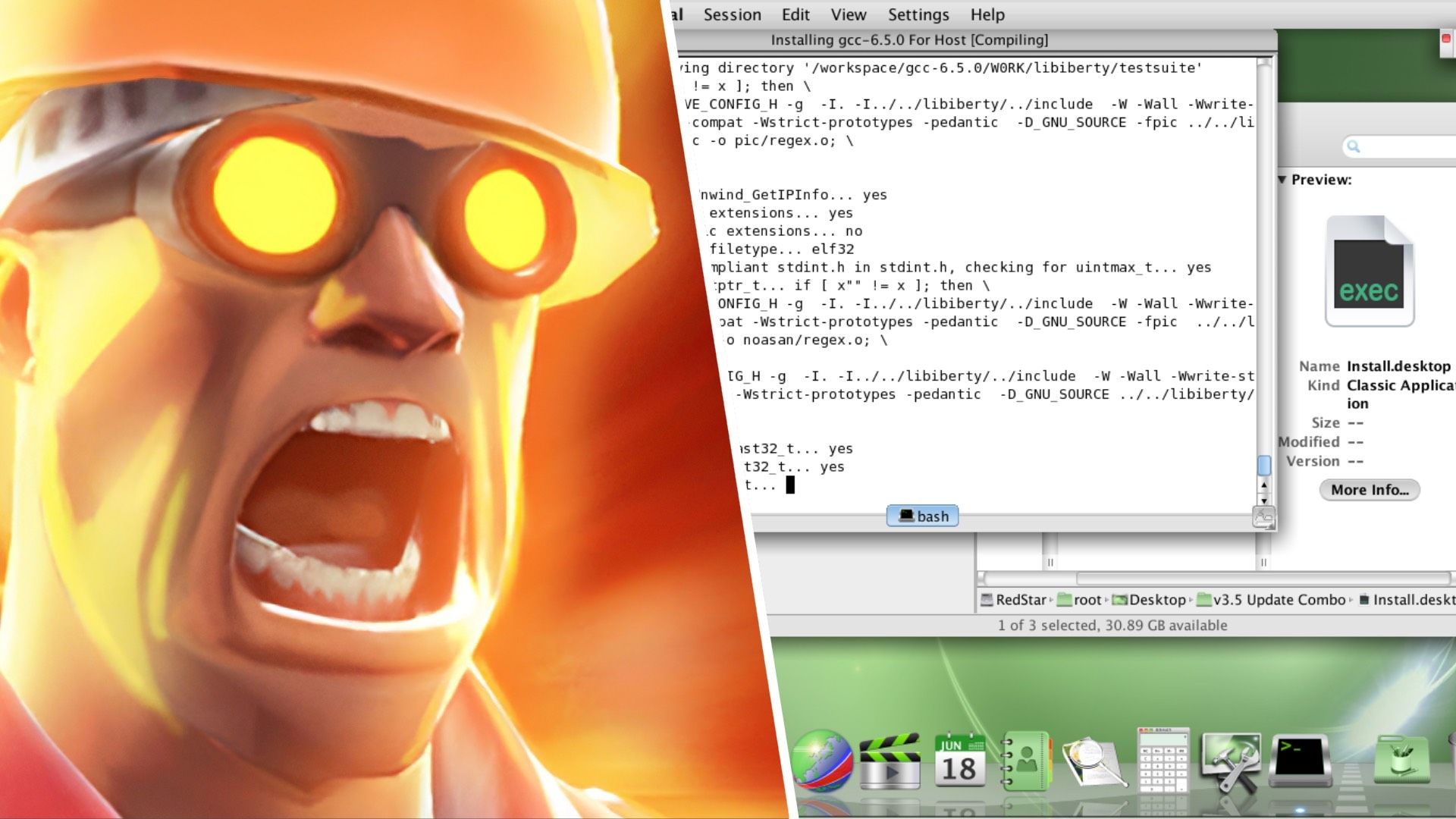
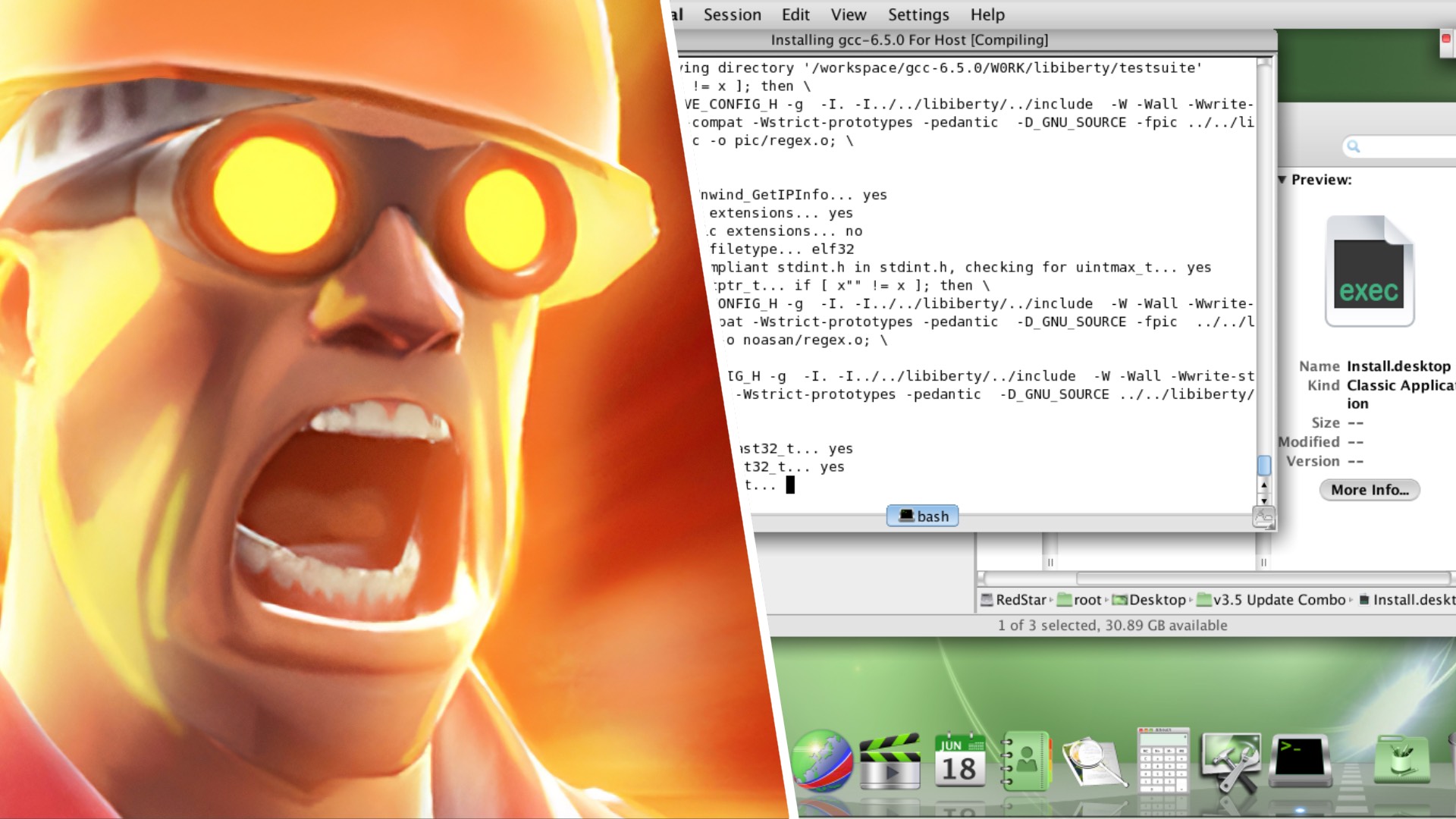
However, the "Second Stage"—the promised overhaul that would update the kernel and libraries—was a bridge too far. Despite multiple attempts spanning over six hours, the installation consistently crashed. The system, while now readable in English, remained effectively an archaic relic, unable to support modern software dependencies.
Supporting Data: The Limitations of the "Naenara" Browser
A critical point of failure in this experiment was the browser. RedStar utilizes "Naenara" (Korean for "My Country"), a heavily customized, ancient version of Firefox. In 2026, the internet has largely moved beyond the protocols that Naenara supports.

When attempting to browse the web, the experience was abysmal. The only site the browser could reliably load was Google. Every other request resulted in a connection error. This highlights the fundamental nature of the system: it was never built to interact with the global World Wide Web, but rather to exist as a closed-loop internal network. Even the yum package manager, the standard tool for installing software on Red-Hat-based systems, was pointed toward a solitary, inaccessible, and entirely Korean repository, rendering it useless for installing modern gaming libraries or standard desktop applications.
Official Context and Security Implications
Security experts have long documented the dangers of interacting with such systems. The inherent "spyware" isn’t just a byproduct; it is the primary feature of the OS. When researchers like those at Insinuator analyzed the OS years ago, they noted that the system is designed to identify users who attempt to bypass security protocols.
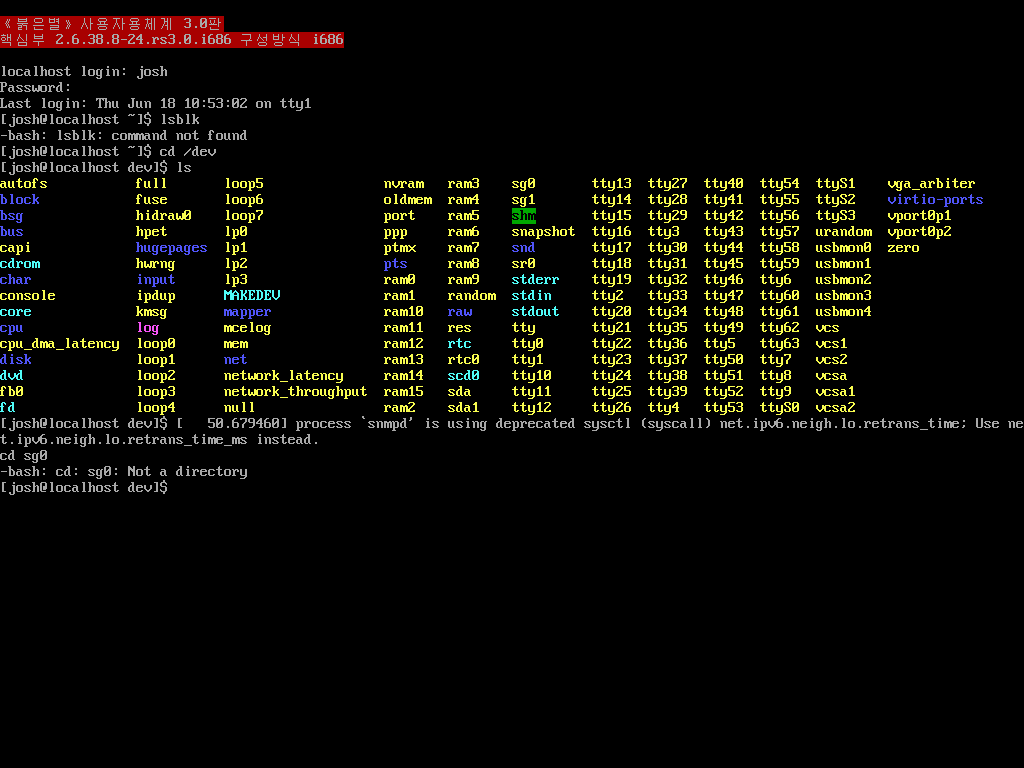
By attempting to run this in a virtual machine, I was effectively playing a game of digital cat-and-mouse. The OS is designed to "phone home" or report on local file activity. For a regular user, this is a mechanism of state control. For a researcher, it is a fascinating, if terrifying, look at how software can be repurposed as a tool for totalizing surveillance.
The Quest for Gaming
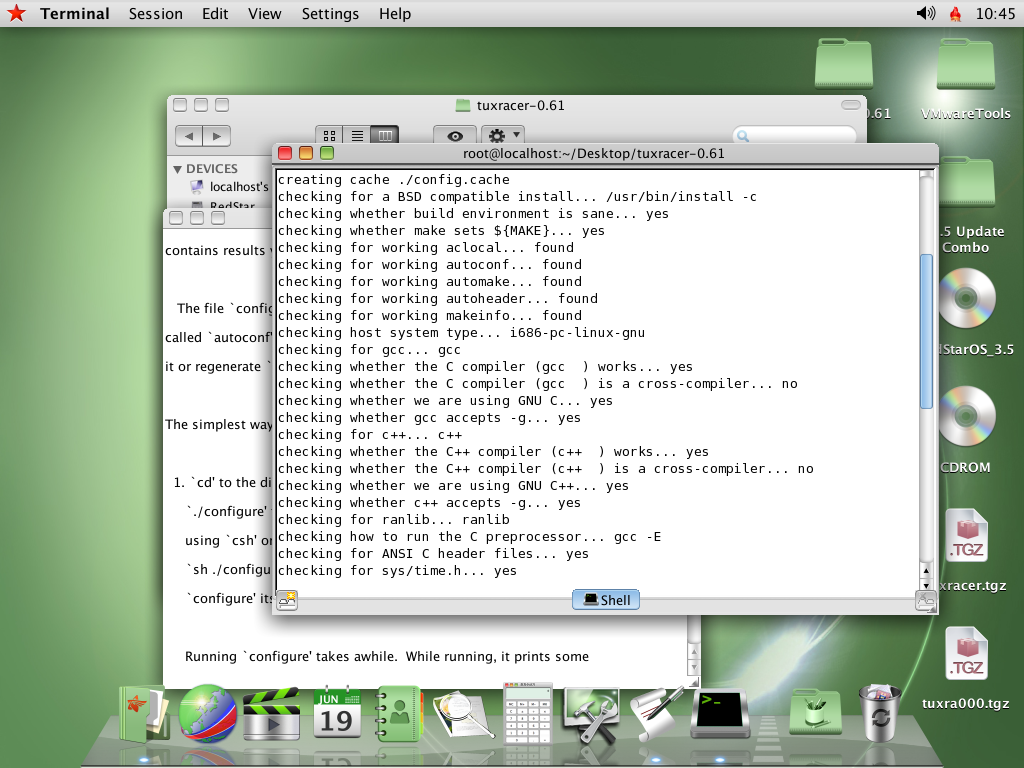
The final, and perhaps most absurd, part of the experiment was attempting to run a game. I attempted to compile an ancient version of Tux Racer. Despite manually injecting a "thick wedge" of libraries into the system, the Makefile failed to resolve the dependencies.
The end result was a computer that could run basic music notation software and a version of Korean chess, but nothing resembling a modern gaming experience. I even turned to AI tools like Google Gemini to see if I could find a path to compatibility, but the data on "gaming in North Korean OS environments" is—unsurprisingly—virtually non-existent.
Implications for the Future of Linux
The failure of this project underscores a profound lesson about the nature of open-source software. Linux is, in theory, universal. However, when you take that universality and force it into an isolationist framework, you destroy the very thing that makes Linux great: the ability to build upon the work of others.
RedStar OS is a "dead end" of computing. It takes the kernel of freedom and wraps it in a shell of authoritarianism. While the modding community’s attempt to retrofit it with a 64-bit kernel is a noble, if quixotic, effort, it serves as a reminder that an operating system is more than just its kernel. It is an ecosystem. Without access to the global repositories, security updates, and community support that define modern Linux, RedStar OS is destined to remain a historical oddity.
Conclusion: A Lesson in Obsolescence
My attempt to modernize RedStar OS was, by any metric, a failure. I did not get The Witcher 3 running. I did not succeed in turning this into a daily driver. But in the process, I was reminded of how far Linux has come. In 2026, Linux is a robust, viable alternative to Windows, capable of powering everything from deep-learning servers to handheld gaming consoles.
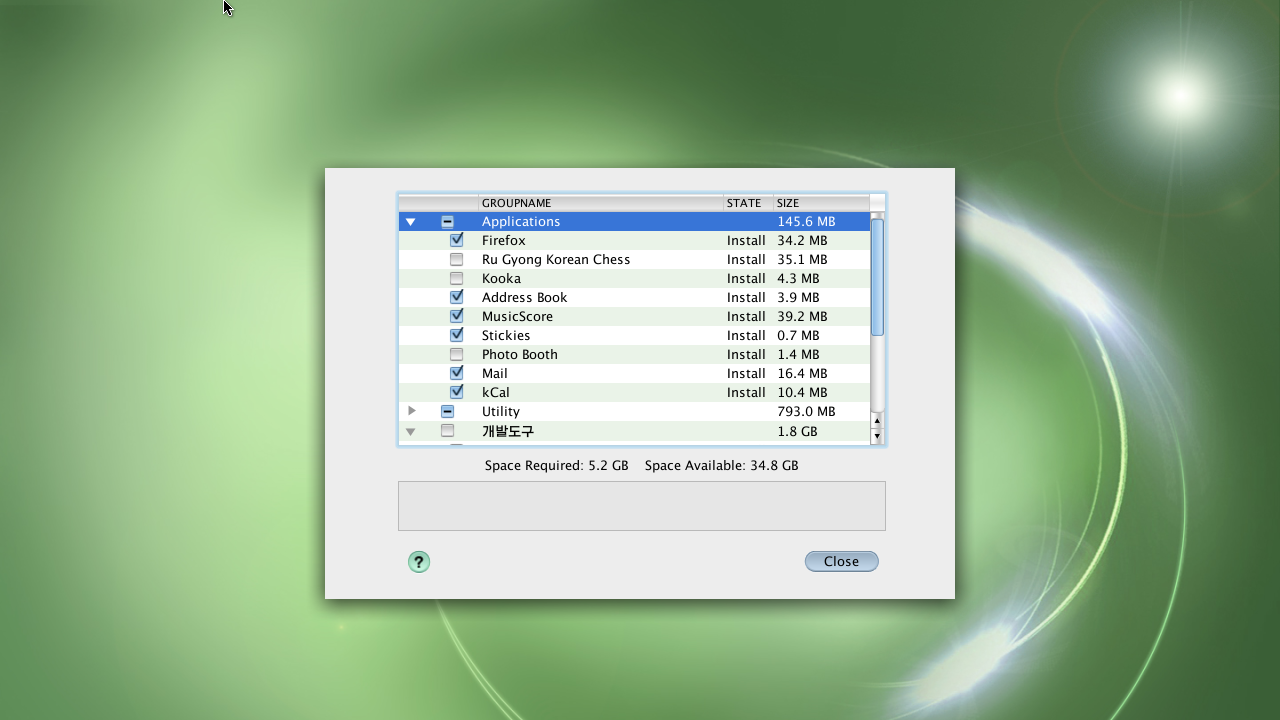
Returning to a 2011-era, state-locked version of the OS was a stark reminder of what happens when technology is decoupled from the global community. My struggle was no longer just about my own lack of expertise—as it might have been in 2022—but about the inherent, immovable walls built into the software itself. It was a long, strange day of terminal commands and virtual machine settings, but it served as a poignant testament to the fact that, in the world of computing, isolation is the ultimate bug.

