

If you ask the average gamer to define their preferred genre, the answer is often a classic, narrative-driven RPG. There is a certain prestige in citing titles like Baldur’s Gate 3 or The Witcher 3 as one’s primary focus. However, a cursory glance at the typical Steam library often tells a different, more chaotic story: one dominated by the infinite resource gathering, procedurally generated landscapes, and base-building compulsions of the survival crafting genre.
Despite the allure of scripted storytelling, there is an undeniable, primal magnetism to the survival crafting loop. It is a genre that thrives on the "just one more resource" mentality, transforming players from helpless survivors into masters of their digital domains. To celebrate this unique obsession, PC Gamer has launched a brand-new, high-stakes quiz designed to test the mettle of even the most dedicated sandbox architects.
The Evolution of the Sandbox: From Niche to Necessity
The survival crafting genre has undergone a meteoric transformation over the past decade. Once considered a niche offshoot of the open-world survival horror subgenre—popularized by the breakout success of Minecraft and the gritty, unforgiving nature of DayZ—it has since evolved into a staple of modern gaming culture.
The Foundation: The Early Access Boom
The mid-2010s served as the "Gold Rush" era for the genre. With the rise of Steam Early Access, developers were suddenly empowered to release "playable shells" of survival games to a hungry audience. This allowed for community-driven development, where player feedback directly dictated the inclusion of mechanics like farming, automation, and complex crafting trees. Games like ARK: Survival Evolved, Rust, and The Forest became cultural phenomena, not necessarily because they offered polished narratives, but because they provided a canvas for emergent storytelling.
The "Cozy" Shift
In recent years, the genre has diversified. We have moved past the era of purely punishing, "eat-or-die" mechanics. Titles such as Valheim and Raft introduced a sense of atmosphere and progression that felt more rewarding than mere survival. These games provided the "social campfire" effect—a space where friends could congregate, build elaborate structures, and engage in a communal experience that felt less like a chore and more like a digital retreat.
Why We Stay: The Psychology of the Crafting Loop
To understand the enduring popularity of these titles, one must look at the psychological hooks embedded in their design. It is easy to dismiss the genre as "virtual labor," yet millions of players find a profound sense of satisfaction in the act of building.
The Flow State of Organization
For many, the appeal isn’t just the exploration; it is the management. There is a distinct "flow state" achieved when a player organizes chests, optimizes supply chains, or perfects the structural integrity of a base. This task-oriented gameplay provides a tangible sense of progression that is often missing from more abstract or narrative-heavy experiences. In a world where real-life tasks can feel overwhelming or fruitless, the survival crafting genre offers a space where effort is consistently and immediately rewarded.
The Social Component: Discord as the New Tavern
Perhaps the most significant development in the genre is the shift toward multiplayer-centric design. The "Discord gang" has become the modern equivalent of the D&D party. By clearing a weekend to tackle a new server, players are not just playing a game; they are engaging in a collaborative project. This social layer adds a layer of depth—if you are the person who spends hours organizing chests while your friends venture into the wilderness, you are filling a vital role in the group’s success.
Putting Your Expertise to the Test
To honor the countless hours spent felling trees, smelting ore, and defending outposts, PC Gamer has curated a challenge for the community. The "Survival Crafting Knowledge Quiz" is designed to separate the casual beachcombers from the true master builders.
The Challenge Parameters
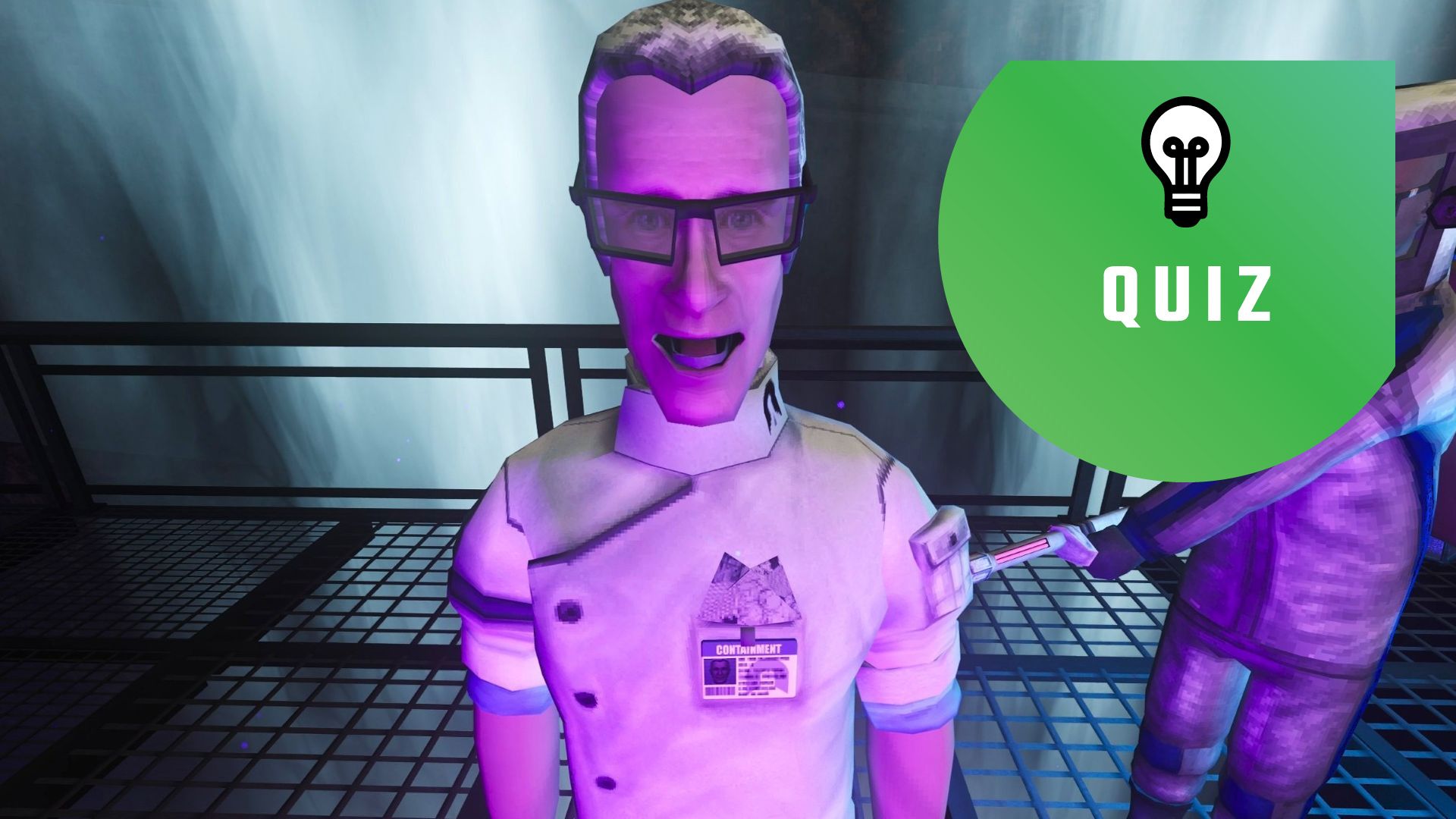
The quiz consists of 20 pixelated screenshots—each pulled from a hallmark title in the genre. Participants have exactly 12 minutes to identify the games. While it may sound straightforward to a veteran, the visual evolution of the genre—from the blocky aesthetic of Minecraft to the hyper-realistic lighting of modern survival titles—makes for a tricky and nostalgic journey.
Supporting Data: What Makes a Survival Hit?
According to Steam player count metrics, the survival crafting tag remains one of the most consistently populated categories on the platform. Key indicators of success for these titles include:
- Low Barrier to Entry: The initial "first night" experience must be intuitive.
- High Skill Ceiling: Automation, electrical systems, and architectural complexity keep veteran players engaged for hundreds of hours.
- Community Modding: Titles that allow for user-generated content often see a lifespan three to four times longer than their static counterparts.
Official Perspective: The Developer’s View
We reached out to developers within the space to understand why they continue to double down on the survival loop. The consensus is clear: the player is the protagonist. Unlike linear games where the developer dictates the sequence of events, survival games hand the player a set of tools and a problem. The narrative is not written in a script; it is written in the logs of the players’ actions.
"We don’t build the story," one developer noted, speaking on the condition of anonymity. "We build the sandbox. The players bring the story with them. When a player loses their base to a raid or finally finishes a massive castle, that is their victory, not ours. That ownership is why they never uninstall."
The Implications: What’s Next for the Genre?
As we look toward the future, the survival crafting genre is poised for another shift. With the integration of AI-driven NPCs and more robust procedural generation, the barrier between "survival crafting" and "immersive RPG" is beginning to blur. We are seeing more games attempt to bake complex, branching narratives into the survival experience, effectively bridging the gap between the "story-driven" preference and the "crafting loop" addiction.
For now, however, the simple pleasure of building a shelter against the night remains the genre’s heartbeat. Whether you are the architect, the hunter, or the person who manages the inventory, your contributions define the experience.
Are you ready to test your knowledge? Head over to our PC Gamer Quiz portal to tackle the Survival Crafting Challenge. Remember, you have 12 minutes to identify those 20 titles. Once you’ve finished, drop your score in the comments below and let us know: are you a seasoned survivor, or do you need to spend a few more nights in the mines?
The digital wilderness is waiting. Good luck.

