

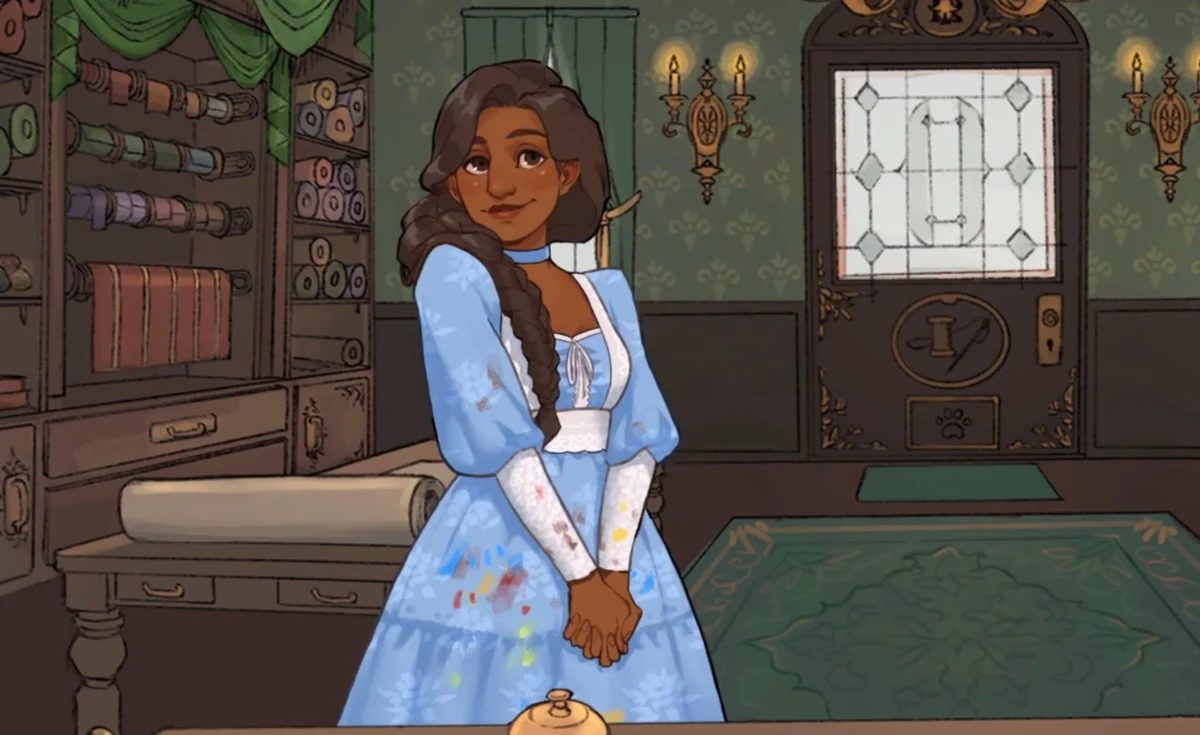
In a landscape often dominated by high-octane shooters and sprawling open-world epics, the quiet, meticulous craft of garment construction has emerged as the industry’s most compelling new hook. During the 2026 Wholesome Direct, amidst a cavalcade of cozy titles, Dressmaker—a collaborative project between Terra Nil co-creator Jonathan Hau-Yoon and fashion historian Sabrina Becker—stole the spotlight.
Positioned as a hybrid of the high-fantasy dress-up mechanics found in Infinity Nikki and the intimate, dialogue-driven narrative structure of Coffee Talk, Dressmaker promises a sophisticated, tactile experience. It is a management simulator that demands both creative vision and technical precision, challenging players to navigate the complexities of bespoke fashion while managing a bustling atelier.
The Chronology of a Cozy Phenomenon
The journey of Dressmaker is a testament to the power of community-driven development. It began in August 2025 as a humble prototype on Itch.io. Created as a passion project between Hau-Yoon and Becker, the prototype focused on the core loop of fabric selection, pattern cutting, and client interaction.
The response was immediate and overwhelming. Players were captivated by the game’s grounded approach to fashion—moving away from the purely cosmetic systems of standard dress-up games and toward a simulated craft. Recognizing the fervor, Hau-Yoon approached Free Lives, the publisher best known for their eclectic and often subversive catalog, including the VR brawler Gorn and the irreverent Genital Jousting.
While Dressmaker seems a departure from the publisher’s usual edgy fare, Free Lives recognized a "quiet superstar" in the making. By late 2025, the pitch for a full-scale commercial release was greenlit. Since then, the development team has transitioned from a duo into a more structured production, refining the interface, expanding the library of materials, and implementing the complex body-measurement systems that have already garnered significant praise for their inclusivity.
A Deep Dive into the Mechanics: More Than Just Cosmetics
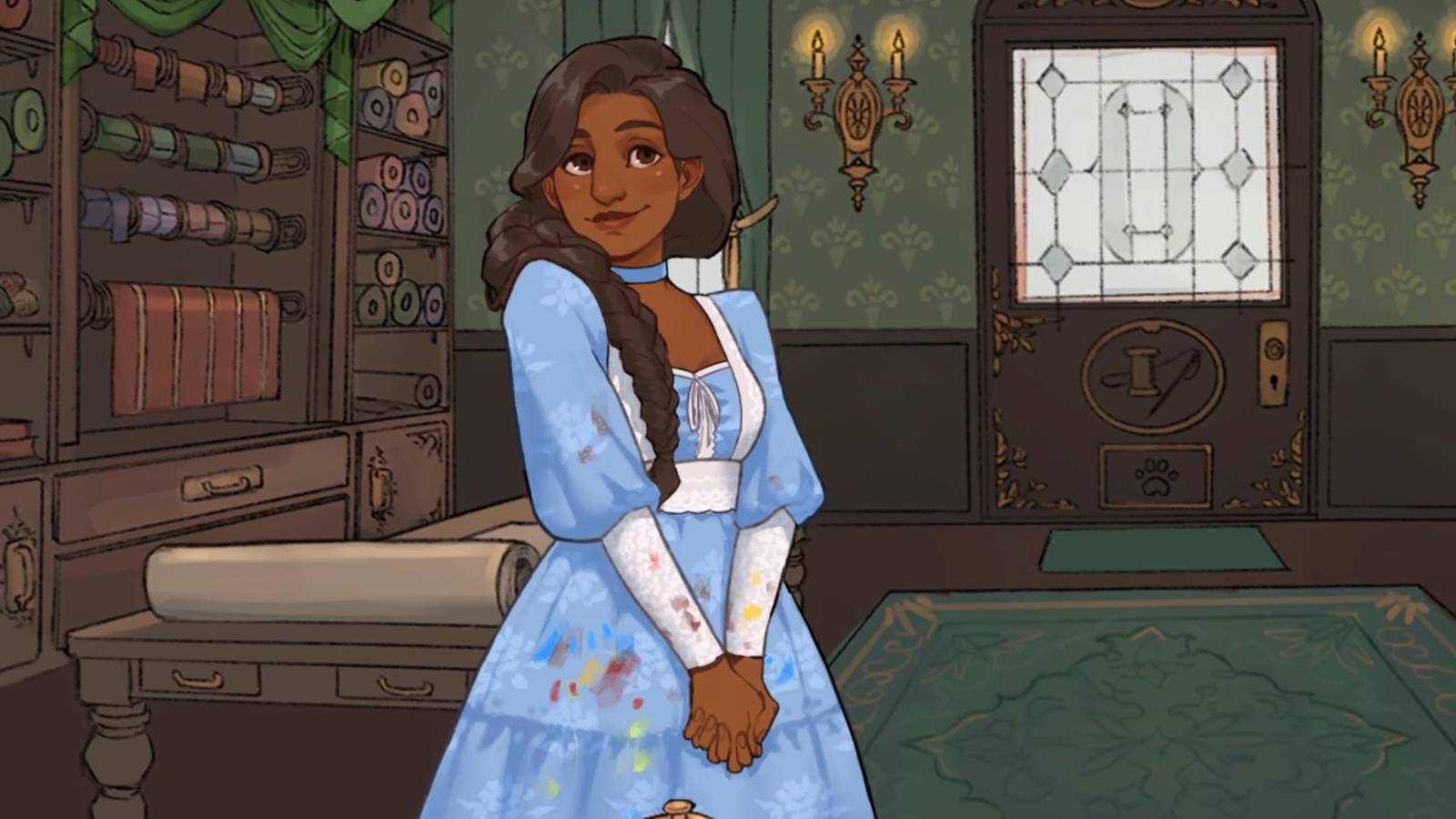
At the heart of Dressmaker lies a granular, multi-stage creative process. Unlike many dress-up games that rely on picking pre-made assets from a menu, Dressmaker forces the player to engage with the physics and logic of sewing.
The Sketchbook and Concept Phase
The process begins with the client’s request. These prompts are intentionally varied; one client might offer a vague directive like "something work-appropriate for a library," while another may demand a highly specific "garden party dress with floral patterns, romantic flair, and a vintage silhouette." Players use an in-game sketchbook to draft their vision, coloring in sections and selecting structural styles. This phase sets the "style metrics" that the final product must hit to satisfy the client’s exacting standards.
The Material Library
The fabric selection is arguably the game’s most impressive technical feat. The trailer showcased an expansive catalog of textiles, ranging from heavy wools and stiff denims to delicate silks and intricate damasks. Each fabric reacts differently to the game’s engine. Players can manipulate the fabric, testing how it bunches, cinches, or drapes. This level of simulation provides a tactile satisfaction that is rarely seen in the genre.
The Construction Loop
Once the fabric is chosen, the player moves to the cutting table. Here, pattern pieces must be laid out efficiently to minimize waste. Once cut, the garment is stitched together, moving to a mannequin for the final stage: the application of ribbons, lace, buttons, and other trims. The attention to detail extends to the mannequin itself, which features adjustable body sliders and precise measurements, ensuring that the final garment is a true "bespoke" creation.
Supporting Data and Technical Innovations
The success of the Dressmaker prototype, which remains available on Itch.io for those interested in the project’s roots, provided the developers with invaluable data. The transition from a prototype to a full game has been marked by several key improvements:

- Advanced Interface: The UI has been redesigned to accommodate complex garment construction without overwhelming the player.
- Body Inclusivity: Unlike many of its competitors, Dressmaker integrates a robust body-measurement system. The game acknowledges that clothing must be tailored to the individual, not the other way around.
- Physics-Based Draping: The engine has been tuned to simulate how different weights of fabric behave when gathered, pleated, or cinched, providing visual feedback that informs the player’s design choices.
- Client AI: Each NPC has a dynamic personality and a set of preferences that evolve based on their history with the player’s shop.
Official Perspectives: The Philosophy of "Cozy"
In interviews following the reveal, the developers have emphasized that while the original prototype included a "sabotage" mechanic—allowing players to intentionally fail a client’s vision—the final release will focus on reputation management.
"The goal isn’t to be a dress goblin," noted one developer during a post-showcase Q&A. "The goal is to cultivate a space of creativity and service." By moving away from the more cynical elements of simulation games, the team is leaning into the "wholesome" ethos that has defined the project’s trajectory. The focus remains squarely on the reward of seeing a satisfied client walk out of the door in a garment that the player designed from a flat piece of fabric.
Implications for the Genre
Dressmaker arrives at a pivotal moment for the "cozy" game genre. With titles like Infinity Nikki pushing the boundaries of scale and visual fidelity in dress-up games, Dressmaker serves as a counterpoint, prioritizing depth and technical simulation over sheer asset volume.
Raising the Bar for Indie Simulators
The success of Dressmaker suggests a growing appetite for "hyper-niche" simulators. Players are increasingly drawn to games that teach them the vocabulary of a real-world craft. By incorporating elements of fashion history and actual tailoring terminology, Dressmaker elevates the player from a mere "user" to a "practitioner."
The Evolution of Publisher Portfolios
The involvement of Free Lives highlights a broader trend in the industry: established publishers are diversifying their portfolios by picking up "quiet" hits that promise high engagement through unique mechanics. It proves that a well-executed idea—even one far outside the publisher’s comfort zone—can find a massive, dedicated audience if the core loop is sufficiently compelling.

Looking Toward the Launch
As the September release date for Windows PC and Mac approaches, the gaming community is closely watching to see if Dressmaker can maintain the momentum generated by its Wholesome Direct showing. If the depth of the prototype is any indication, the game is poised to become a staple of the "cozy" library, offering a rare blend of creative freedom and professional simulation.
In an era where games often try to be everything to everyone, Dressmaker is content to focus on the fine details—the texture of a silk ribbon, the weight of a wool blend, and the satisfaction of a perfect fit. It is a reminder that sometimes, the most ambitious projects are those that focus on the small, quiet, and beautiful work of creation.

