

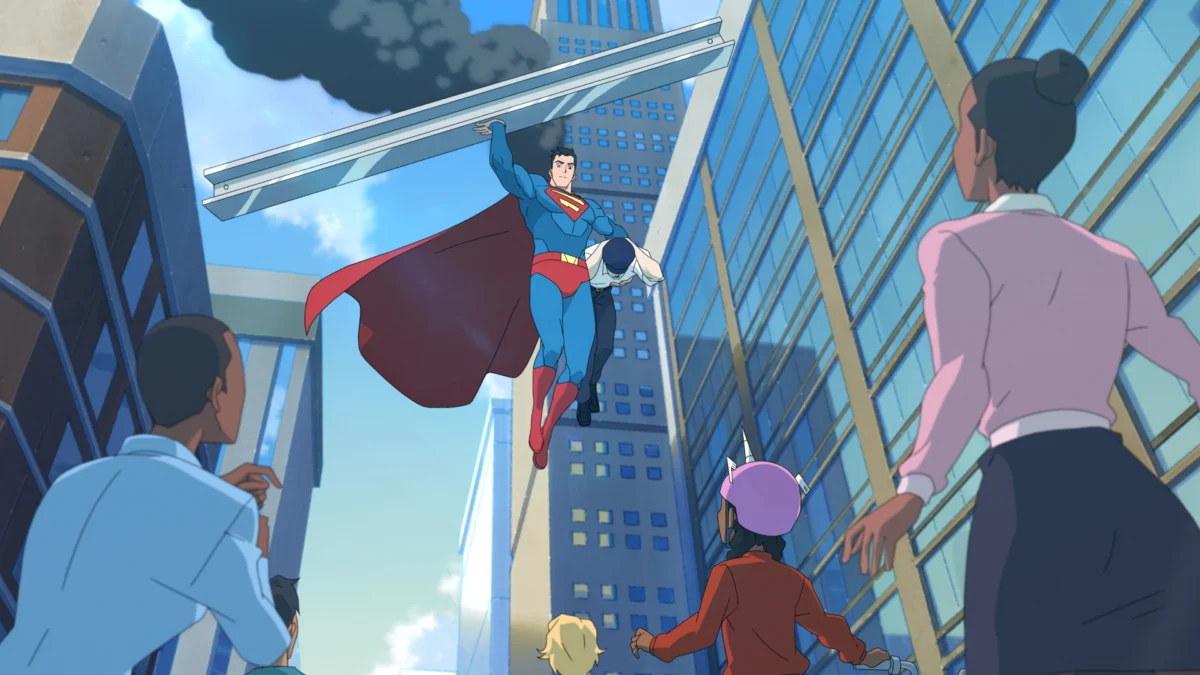
The landscape of modern superhero media is currently undergoing a schism. On one side, we have the meticulously crafted, hyper-violent, and distinctly "adult-oriented" roadmap of James Gunn’s rebooted DC Universe (DCU). On the other, we have the vibrant, heart-forward, and surprisingly nuanced My Adventures With Superman. As the animated series returns for its third season on Adult Swim and Max, it serves as a stark reminder of what a successful, modern iteration of a superhero franchise can—and perhaps should—look like.
The "Serious" Superhero Paradox
In 2003, Arrested Development introduced audiences to Gob Bluth, a man who desperately demanded to be "taken seriously" while looking utterly ridiculous. This dynamic—the desperate need to be perceived as mature by an audience that is fundamentally consuming fantasy—has become a recurring theme in the modern DC fandom. For years, the Snyder-verse catered to this, presenting a mythological, ultra-serious take on comic icons.
Many expected James Gunn’s DCU to pivot away from this, but in many ways, the franchise has doubled down. It has embraced a gritty, "adult" aesthetic—marked by graphic violence, sexual content, and profanity—aimed at a demographic that equates "darkness" with "quality." While there is certainly a place for such stories, the strategy risks alienating the broader, younger audience that has historically driven the longevity of these characters.
My Adventures With Superman offers the antidote. It does not demand to be taken seriously in the way a dark, R-rated thriller does; instead, it earns the audience’s respect by being genuinely, consistently good.
Chronology and Evolution: From Interns to Heroes
Premiering in 2023, My Adventures With Superman reimagined the Clark Kent mythos through a Shonen anime lens. The show centers on Clark (Jack Quaid), Lois Lane (Alice Lee), and Jimmy Olsen (Ishmel Sahid) as interns at the Daily Planet.
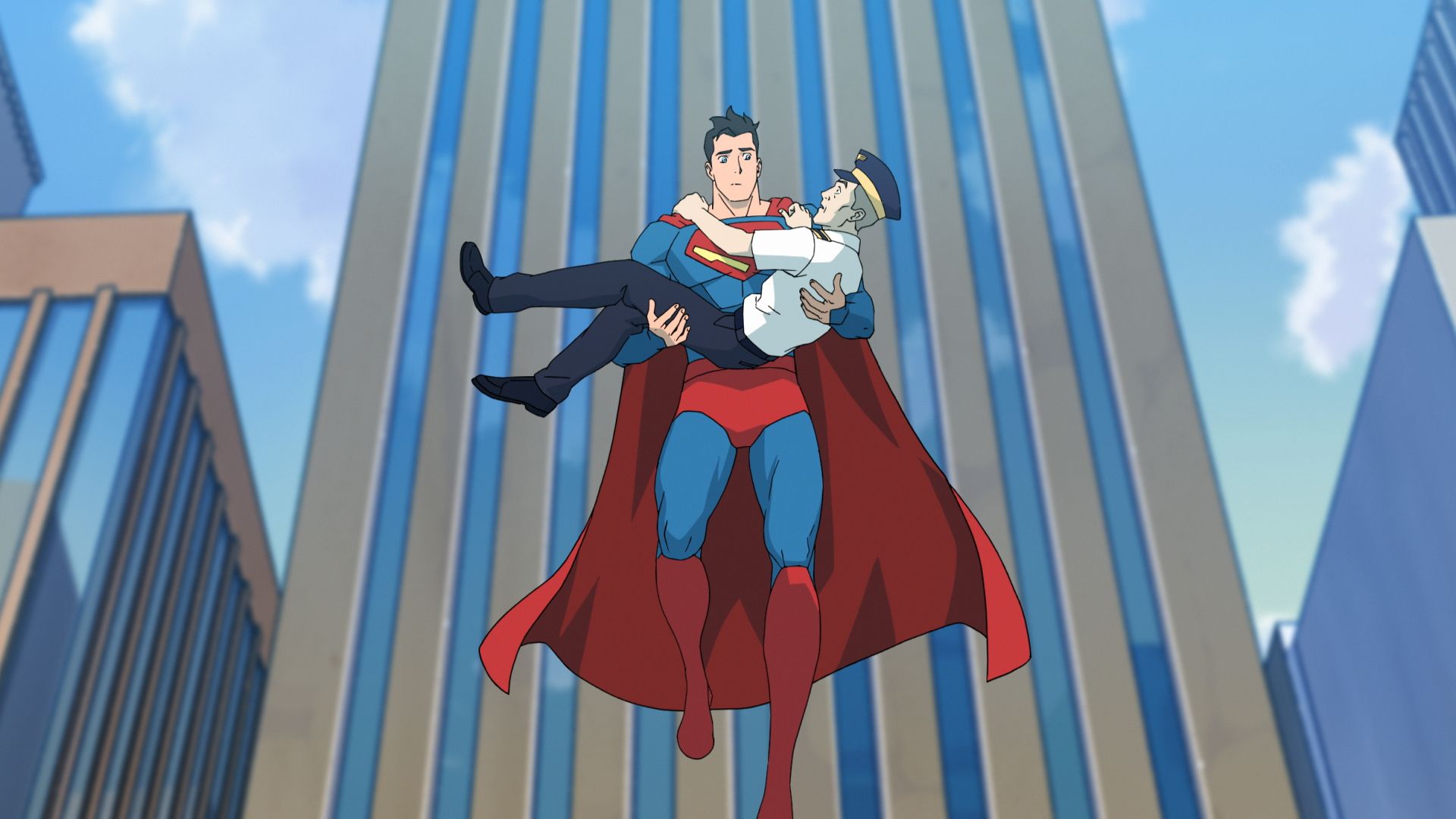
- Season 1: Established the "found family" dynamic, focusing on the trio’s investigative reporting and Clark’s discovery of his Kryptonian heritage. It was an origin story that felt fresh, blending classic tropes with modern pacing.
- Season 2: Expanded the scope significantly, introducing high-stakes conflicts and diving deeper into the sci-fi roots of the lore.
- Season 3: Now fully underway, the series has introduced Kara Zor-El (Kiana Madeira), evolving the central trio into a quartet and further complicating the emotional stakes of Clark’s journey.
Unlike many western adaptations that feel the need to "deconstruct" the hero into a cynical, broken figure, this series treats the core of Superman—his kindness, his optimism, and his struggle to balance his humanity with his heritage—with profound sincerity.
Supporting Data: The Tone of the DCU
To understand the disparity, one must look at the output currently filling the DC Studios pipeline under Gunn:
- The Suicide Squad / Peacemaker: These projects lean heavily into R-rated territory, utilizing full-frontal nudity, extreme gore, and cynical humor.
- Creature Commandos: The animated series has already made headlines for its inclusion of adult themes, including graphic depictions of "monster sex."
- Upcoming Slate: Projects like Clayface (reported to be a body-horror film) and Lanterns (pitched as a True Detective-style procedural) indicate that the DCU is committed to a "prestige TV" aesthetic that is inherently exclusionary to younger viewers.
In contrast, My Adventures With Superman excels because it is "well-modulated." It allows for silliness—such as the recurring audio gags regarding Jimmy’s startup, "Flamebird"—while simultaneously delivering genuine emotional weight. It understands that you can have high-stakes action and profound character drama without requiring an R-rating to prove the material is "for adults."
Official Perspectives and Creative Intent
It is important to note that James Gunn himself is a producer on My Adventures With Superman. This creates a fascinating internal contradiction within DC Studios. Gunn is simultaneously overseeing the creation of a light-hearted, universally appealing animated series while pushing for a hard-hitting, adult-focused live-action slate.
Gunn’s philosophy for the live-action DCU involves a "quality over quantity" approach, where no script moves forward until it is 100% complete. While this is a laudable goal for the production process, the current output is undeniably front-loaded with mature content. The danger here is that by branding the DCU as a "mature" cinematic universe, the studio is effectively locking the doors to new, younger fans who are not yet ready for the graphic nature of the live-action projects.
Implications for the Future
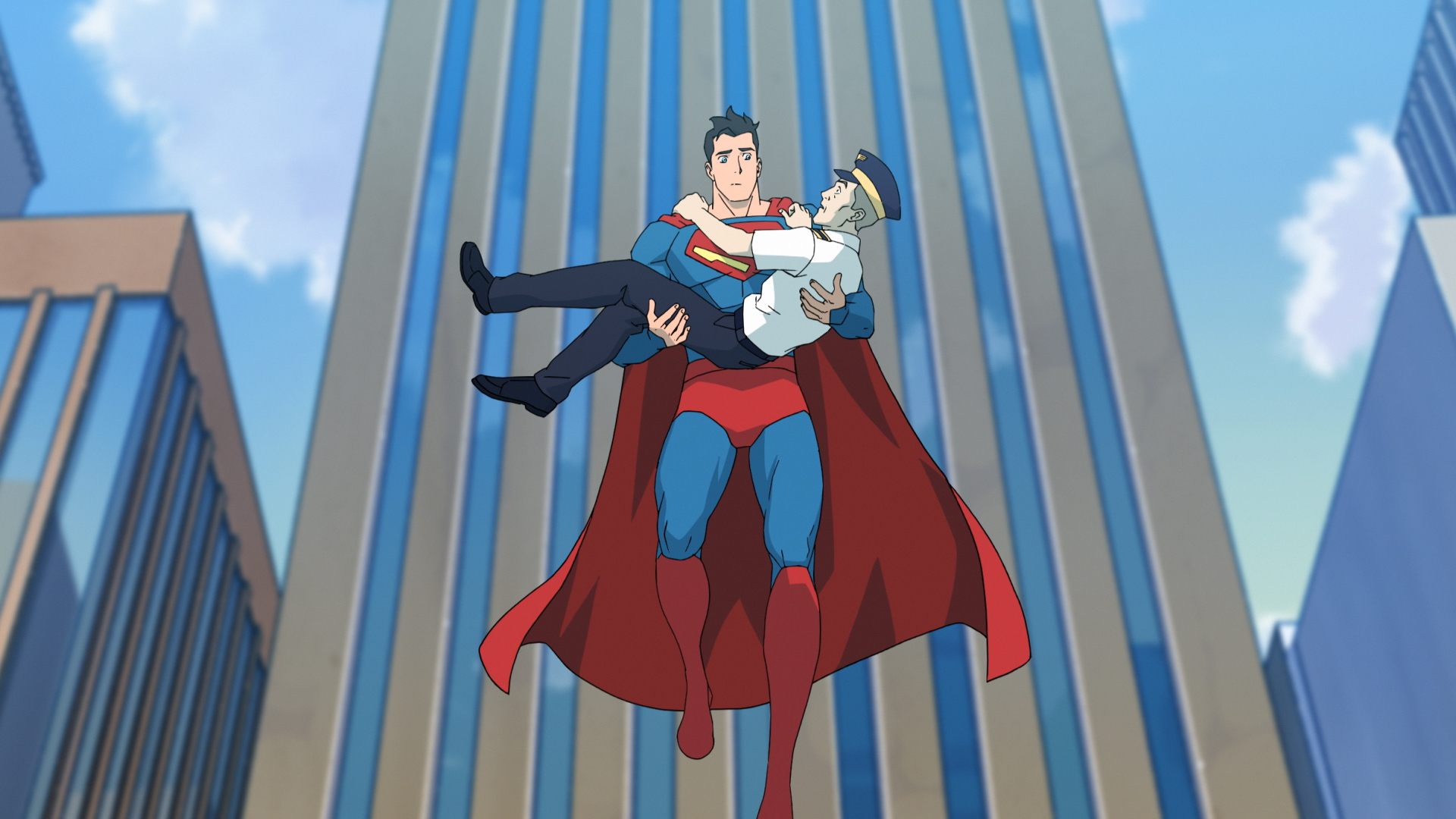
The decision to keep My Adventures With Superman as an "Elseworlds" project is a double-edged sword. While it grants the creative team freedom from the shackles of the main continuity, it also keeps the show siloed.
Why the "Anime Approach" Wins
The series taps into the global popularity of anime, a medium that has mastered the art of balancing serialized, complex storytelling with accessible, colorful aesthetics. By taking Superman—a character created in 1938—and filtering him through a contemporary, globally resonant visual language, the show has ensured that the character remains relevant for a new generation.
The upcoming My Adventures With Green Lantern spinoff further emphasizes this divide. While the live-action Lanterns series aims for a gritty, noir-inspired tone, the animated approach offers a sense of wonder and cosmic adventure that is historically the hallmark of the Green Lantern mythos.
The "Huge Mistake"
If James Gunn truly wants to build a sustainable universe, he must recognize that the "We Demand To Be Taken Seriously" crowd is a shrinking demographic. The most successful superhero franchises of the last two decades (such as the early MCU or the Spider-Verse films) have succeeded by being broad, inclusive, and emotionally resonant—not by being dark and explicit.
If the DCU continues to exclusively pursue an "adult" brand, it risks becoming a niche product rather than the cultural pillar it aspires to be. There is a path forward where DC embraces the "My Adventures" philosophy: a commitment to character-first storytelling that is accessible to all, yet sophisticated enough to satisfy the long-term fans.
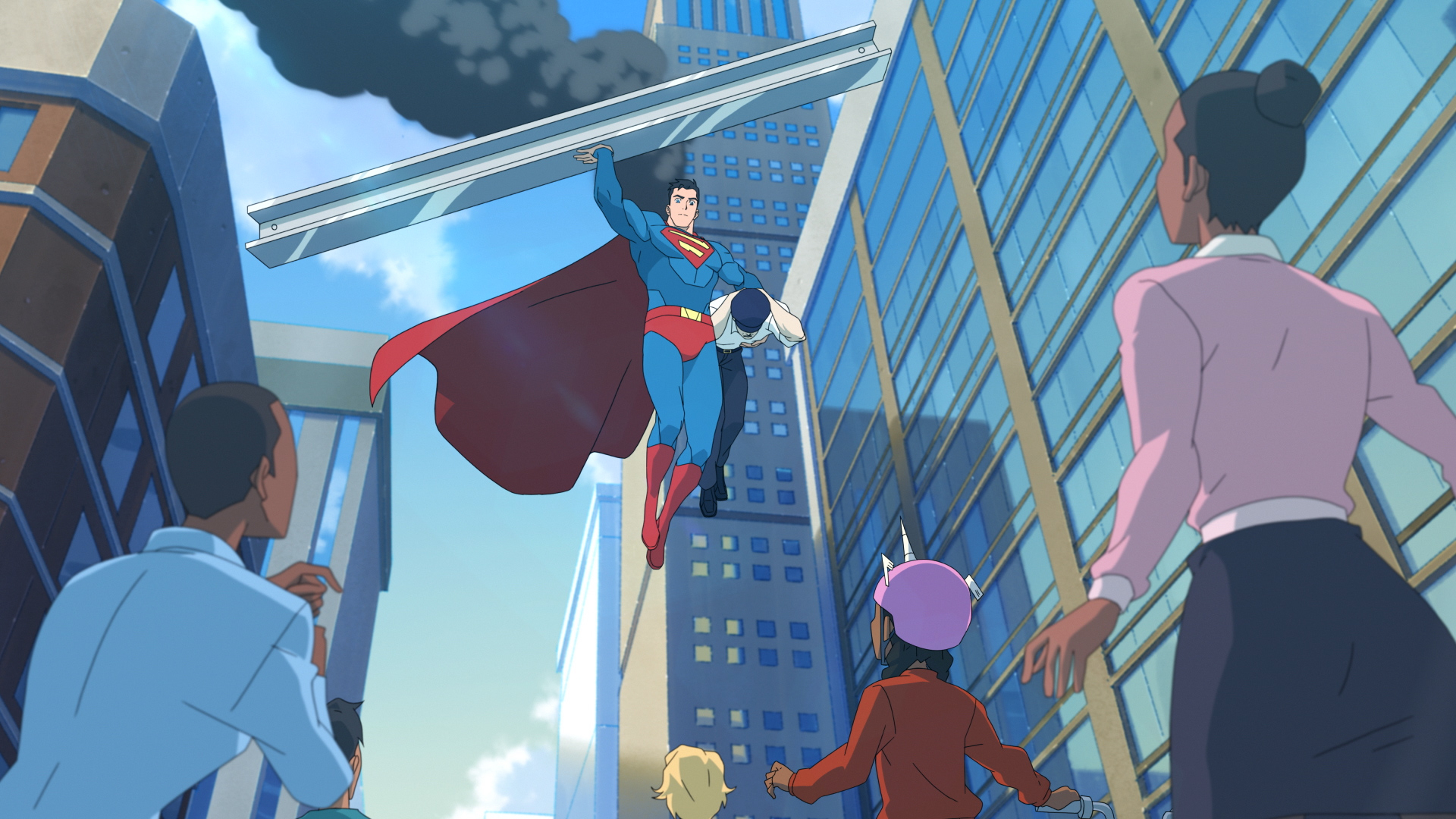
As it stands, Gunn’s DCU is currently walking backward, retreating into the comfort of cynicism and graphic content. If he wants to truly change the trajectory of these characters, he might need to take a cue from the very show his studio is currently producing. He needs to realize that the most "adult" thing a storyteller can do is create something that is honest, hopeful, and welcoming to everyone—even if it doesn’t involve orgies or blood-soaked horror.
Conclusion: A Call for Balance
My Adventures With Superman is not just a bright spot in the DC lineup; it is a masterclass in adaptation. It respects the source material while refusing to be held hostage by it. As we look toward the future of the DCU, the question is not whether the studio can make dark, gritty content—we know they can. The question is whether they have the vision to realize that the heart of these characters lies not in their capacity for violence, but in their capacity for connection.
Until the live-action universe learns to balance its "serious" ambitions with the earnest, human-centric storytelling found in the animation department, the best version of the DC Universe will remain confined to a midnight timeslot on Adult Swim. It is time for the DCU to stop demanding to be taken seriously, and start being worthy of the audience’s attention.

