

By Matt Patches
Published October 27, 2026
Main Facts: The Long Road to the Big Screen
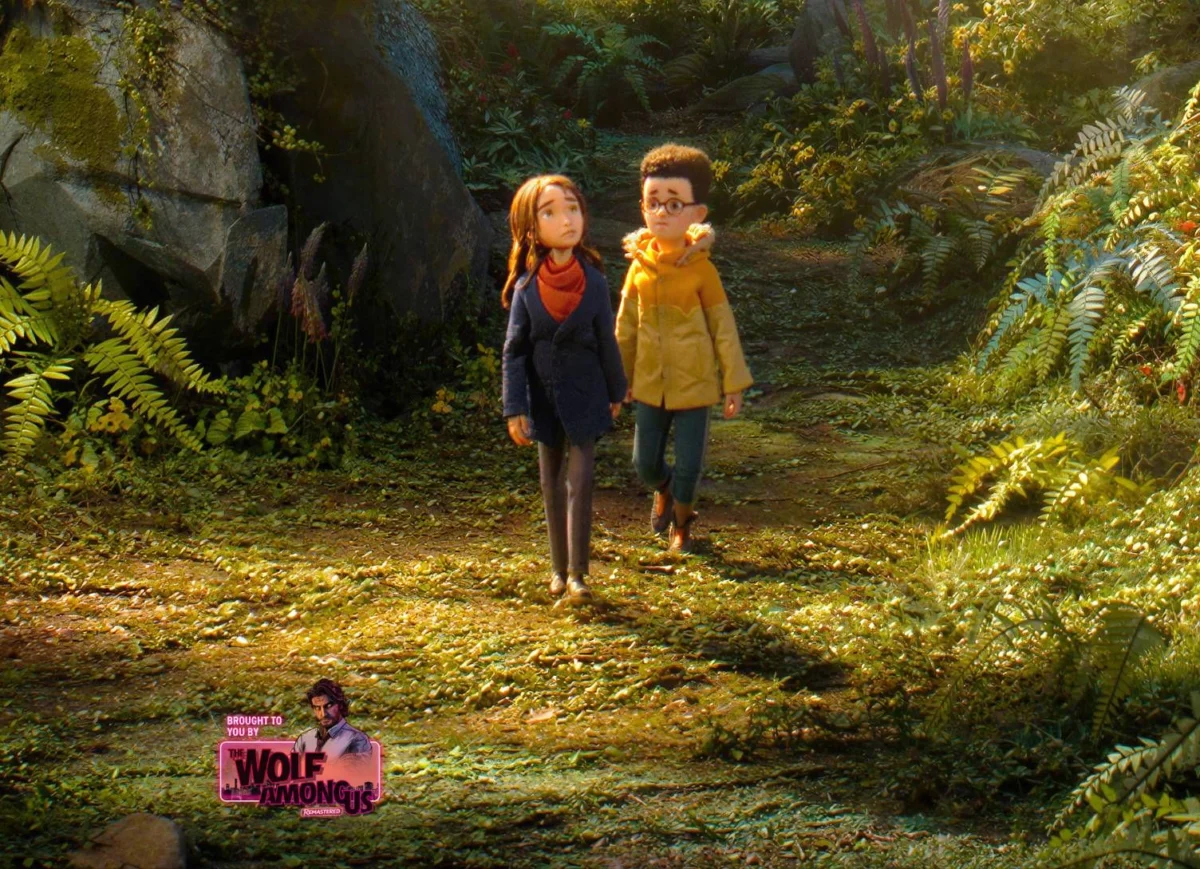
After nearly sixteen years in development, the fantastical Pacific Northwest is finally getting its due on the silver screen. Wildwood, the meticulously crafted stop-motion animated feature film adapted from the bestselling children’s fantasy novel by The Decemberists frontman Colin Meloy and illustrated by artist Carson Ellis, has officially arrived in theaters. Produced by the renowned stop-motion animation studio Laika and directed by Travis Knight, the film translates the dense, moss-draped geography of Portland’s Forest Park into an epic, otherworldly landscape.
Unlike contemporary high-fantasy epics that construct entirely fresh mythologies from scratch, Wildwood plants one foot firmly in the familiar. It is a fairy tale in the truest sense—drawing inspiration from ancient European folklore, Irish myth, and classic children’s literature that dared to terrify its audience. Earning a rare PG-13 rating for its uncompromised embrace of grief, danger, and eerie darkness, the film represents a monumental milestone for its creators, marking the culmination of a creative journey that began over a decade ago when the original literary trilogy first hit bookshelves in the early 2010s.
Chronology: From Page to Stop-Motion Frame
To understand the magnitude of Wildwood‘s cinematic release, one must trace the timeline of its evolution—a trajectory spanning literature, art, and an extraordinarily painstaking animation process.
- The Early 2010s (The Literary Genesis): Colin Meloy, best known as the lyricist and vocalist for indie-folk band The Decemberists, teamed up with his wife and longtime artistic collaborator, Carson Ellis, to conceptualize a trilogy of novels. The books—Wildwood, Under Wildwood, and Wildwood Imperium—captured the imaginations of readers by blending modern-day Portland with a hidden, magical wilderness across a local bridge.
- The Development Era (2010–2026): Shortly after the publication of the books, stop-motion powerhouse Laika optioned the property. However, bringing the sprawling, texturally dense world of Wildwood to life through physical puppets and miniature sets proved to be a monumental challenge. Helmed by director Travis Knight, the production spanned nearly sixteen years, prioritizing meticulous hand-crafted detail over rushed studio pipelines.
- October 2026 (The Theatrical Debut): Following years of behind-the-scenes teasers and production updates, Wildwood finally premiered in theaters nationwide, anchoring a major cultural moment for dark, sophisticated fantasy storytelling.
Supporting Data & Creative Philosophy: Fairy Tales vs. Modern Fantasy
In interviews surrounding the film’s release, Meloy and Ellis offered deep insights into the creative philosophy that drives their work. According to the couple, the fundamental divide between fantasy literature and traditional fairy tales lies in world-building.
"If you can draw a distinct line between fantasy lit and fairy tales—and why not try!—it might be in the world-building," Meloy notes. "Fantasy writers typically build universes from scratch. Fairy tales, on the other hand, have one foot planted in the familiar: the woods beyond the village, the strange creature at the edge of the road, the crow that steals a baby."
This distinction heavily influenced Wildwood‘s design. The narrative kicks off with a harrowing event: the kidnapping of an infant by a flock of crows—an ominous motif that Meloy traces directly back to Irish mythology. Rather than sanitizing the narrative for modern audiences, director Travis Knight pushed to retain the uncompromising grimness found in foundational folklore.
In doing so, Wildwood aligns itself with classic, boundary-pushing animated and literary milestones of the past, such as:
- Watership Down
- The Dark Crystal
- The Secret of NIMH
These touchstones shared a common trait: they trusted young readers and viewers to grapple with authentic themes of grief, peril, and the unknown.
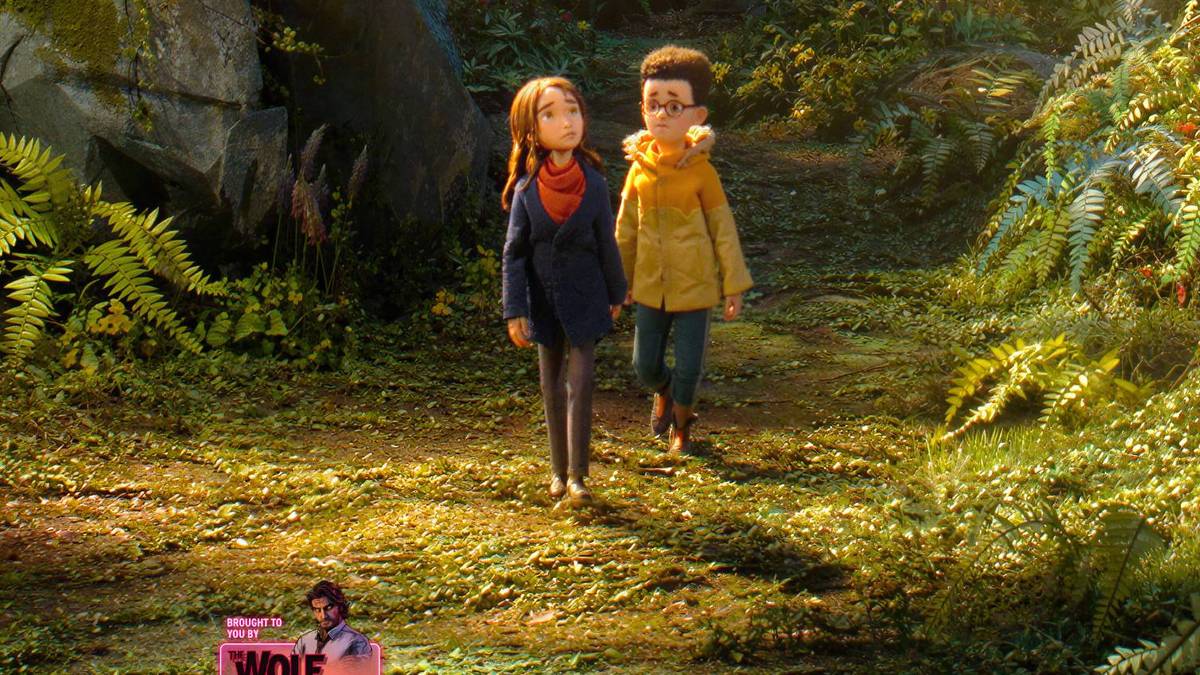
Furthermore, the physical setting of the story is grounded in real-world geography. Portland’s Forest Park—a sprawling 5,000-acre temperate rainforest—serves as the primary backdrop. Ellis admitted to the immense difficulty of capturing the suffocating density of the park’s ferns, towering conifers, and damp earth on the page, while Meloy describes the real-world sanctuary as a place that physically feels "bigger on the inside." Translating that claustrophobic, natural majesty into stop-motion animation required a level of artisanal craftsmanship that justifies the film’s nearly two-decade production cycle.
Official Responses and Creator Insights
Reflecting on the film’s release, Meloy points out that while the creators consciously sought to emulate timeless folktale tropes, modern audiences naturally categorize the finished product as high fantasy.
"I feel like when we were first coming up with the story, we were trying to really go for the early stuff—pull from folktale and fairytale tropes," Meloy explains. "I think there’s so many things in the movie that, because that was really the intent from the outset, was to create a fairy tale. Inevitably, it ends up like fantasy in the context of 2026, but that’s what we were shooting for."
Ellis elaborates on the importance of drawing from the collective unconscious rather than inventing entirely new pantheons. By looking to classic folklore collectors like the Brothers Grimm and Hans Christian Andersen, the creators focused on revitalizing ancient motifs so that they resonate with contemporary audiences without losing their primal edge.
When questioned about the potential for future installments or expansions within the Wildwood universe, Meloy remains open-ended but deliberate. He notes that any potential return to the book series would require genuine creative passion rather than mere commercial obligation. "I would have to make sure that it’s something that my heart was in," he states, adding that he is currently focused on exploring new literary and cinematic projects.

Fans asking about a theatrical stage adaptation of The Decemberists’ acclaimed concept album, The Hazards of Love, may have to temper their expectations. Ellis reveals that while a professional production came close to materialization in the past, it ultimately fell through. However, Meloy continues to happily grant performance rights to adventurous high school theater groups brave enough to stage the dark, sweeping folk-rock narrative.
Implications: The Enduring Power of Adult Fairy Tales
The arrival of Wildwood in theaters signifies much more than just the end of a long production pipeline; it marks a cultural shift in how modern media approaches multi-generational storytelling. By earning a PG-13 rating, Wildwood validates a growing appetite for stories that refuse to talk down to their audiences.
In an era dominated by homogenous CGI spectacles and sanitized cinematic universes, Laika’s tactile, handcrafted approach proves that stop-motion animation remains uniquely suited to capturing the uncanny, rustic magic of traditional folklore. The film’s success demonstrates that audiences—both young and old—crave narratives rooted in real-world landscapes yet touched by the unsettling wonder of the unknown.
As Wildwood plays in theaters worldwide, it serves as a reminder that fairy tales have always survived by changing hands, evolving as they are re-interpreted by new generations of artists. For Meloy and Ellis, the journey does not end with the credits rolling; it simply marks another path wandered in an ever-expanding forest of ideas.
This story is part of Polygon’s latest special issue, Happily Never After: A Week of Adult Fairy Tales, brought to you by The Wolf Among Us Remastered, out on October 29.

