

By Jacob
Technology and Hardware Journalist
Main Facts
The gaming community has spoken—at least for the first round. Following a fiercely contested opening poll that drew approximately 4,000 votes from passionate PC enthusiasts and casual players alike, the tournament to crown the absolute worst graphical effect in video games has officially entered its semi-final stage.
Out of a comprehensive roster of polarizing, mandatory, and frequently maligned visual options, only four features have survived the initial cuts to compete for the dubious honor of being named gaming’s most detested post-processing effect. Among the survivors are community nemeses such as aggressive motion blur—demonstrated vividly in titles like Hunt: Showdown—and the stubbornly persistent, stylistic film grain found in games like Phasmophobia.
As the competition narrows down from four contenders to a final two, the ultimate decision rests entirely in the hands of the community. With the semi-finals underway, players are casting their decisive ballots before the final showdown determines which graphical toggle is universally switched off first upon booting up a new game.
Chronology: How the Tournament Unfolded
The quest to identify the most universally despised visual setting did not happen overnight. It is the culmination of years of quiet frustration shared across online forums, Reddit threads, and graphics menu sliders.
- Phase 1: The Outcry (The Pre-Tournament Era): For over a decade, PC gamers building high-end rigs capable of pushing hundreds of frames per second have shared a common ritual: launching a newly installed game, heading straight to the graphics settings, and meticulously turning off a specific suite of visual "enhancements."
- Phase 2: Nomination and Seeding: Recognizing a universal pain point, a massive bracket-style poll was launched to pit the industry’s most divisive post-processing effects against one another. Contenders ranged from chromatic aberration and depth of field to lens flare, film grain, and motion blur.
- Phase 3: The First Round Tally: Over the course of the opening week, roughly 4,000 votes poured in from gamers eager to voice their disdain. The community weeded out the minor annoyances, leaving a hardened final four.
- Phase 4: The Semi-Finals (Current Status): The remaining four contenders are currently battling head-to-head. Two finalists will soon emerge to fight for the crown, with the ultimate winner to be announced in a matter of days.
Supporting Data and Examples
To understand why these specific visual effects evoke such strong negative reactions, one only needs to examine how they alter the gameplay experience. Modern game engines are engineering marvels, but developers often layer on artistic filters that obscure clarity rather than enhance it.
Motion Blur: The Enemy of Clarity
Motion blur attempts to simulate how the human eye or a physical camera captures fast-moving objects by smearing frames together during rapid camera movements. In cinematic mediums like film, this technique creates a natural sense of speed. In interactive gaming, however, it often results in smeared visual data, making it difficult to track fast-moving targets in competitive environments.
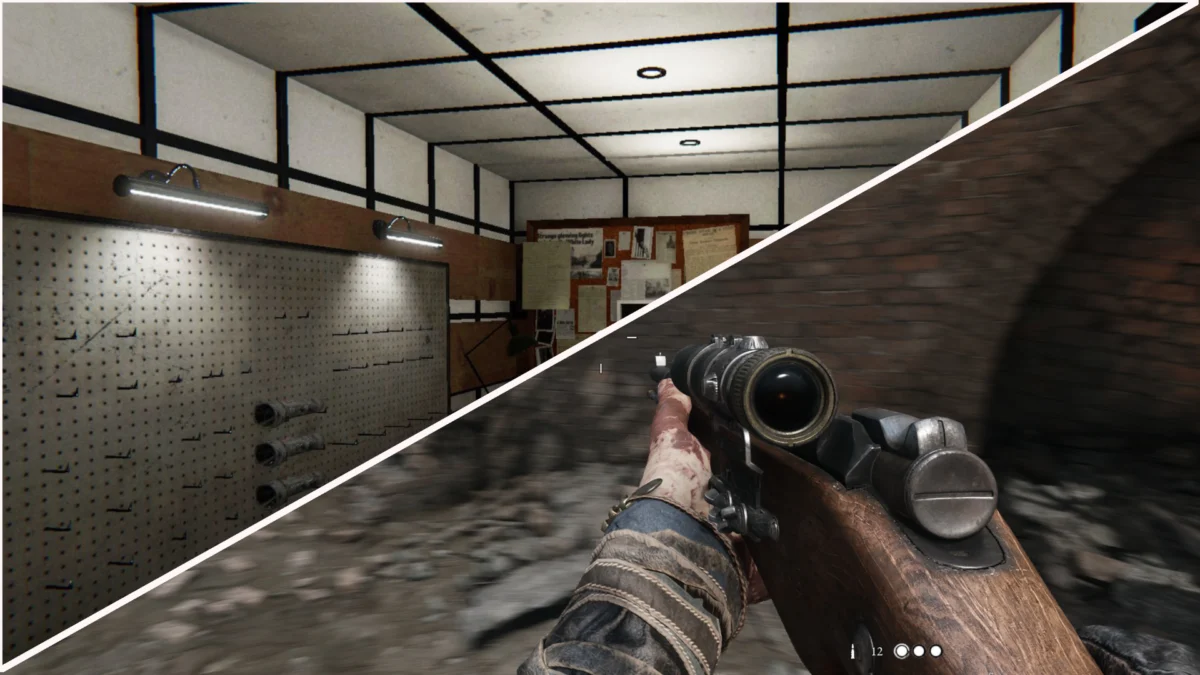
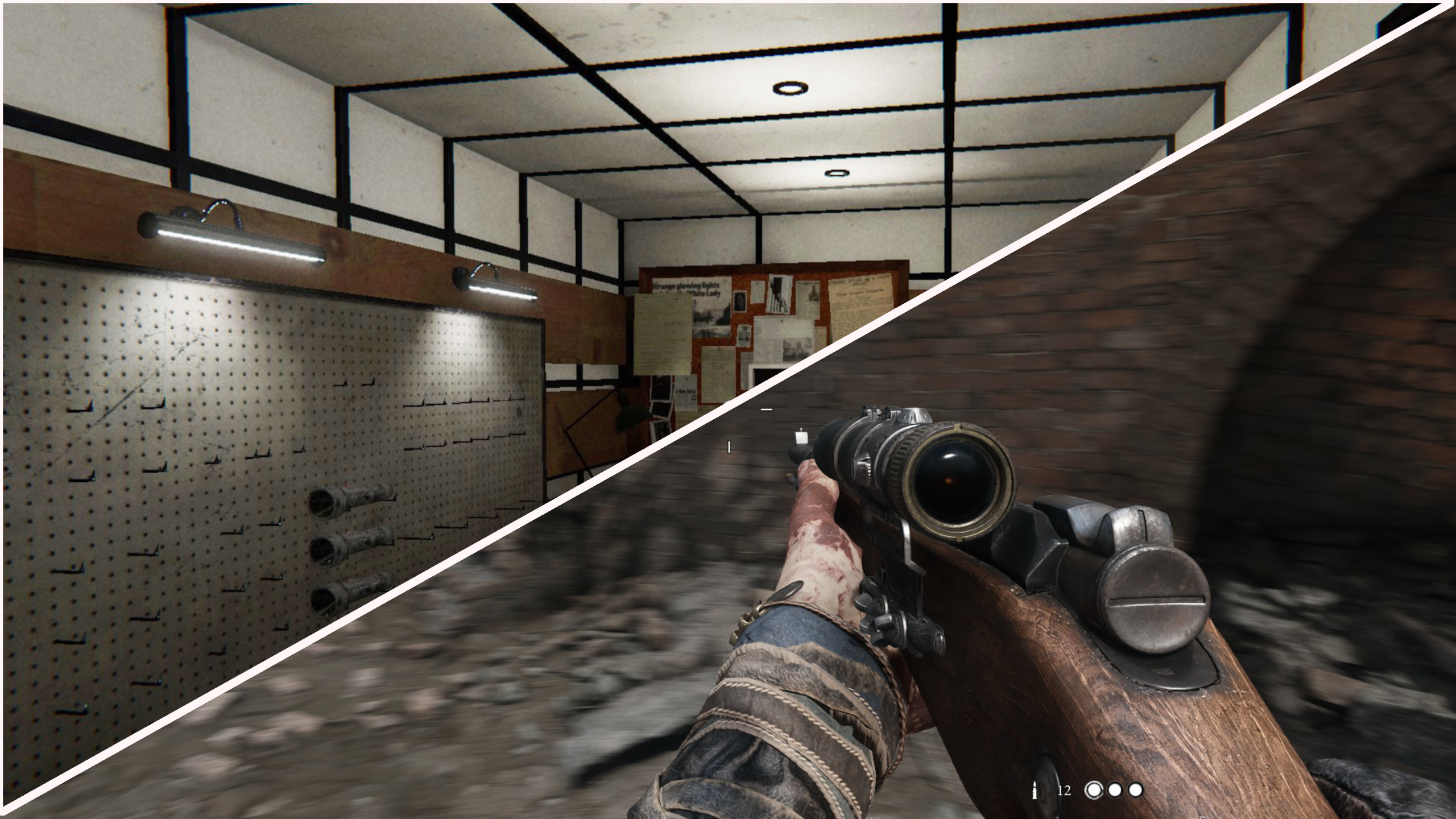
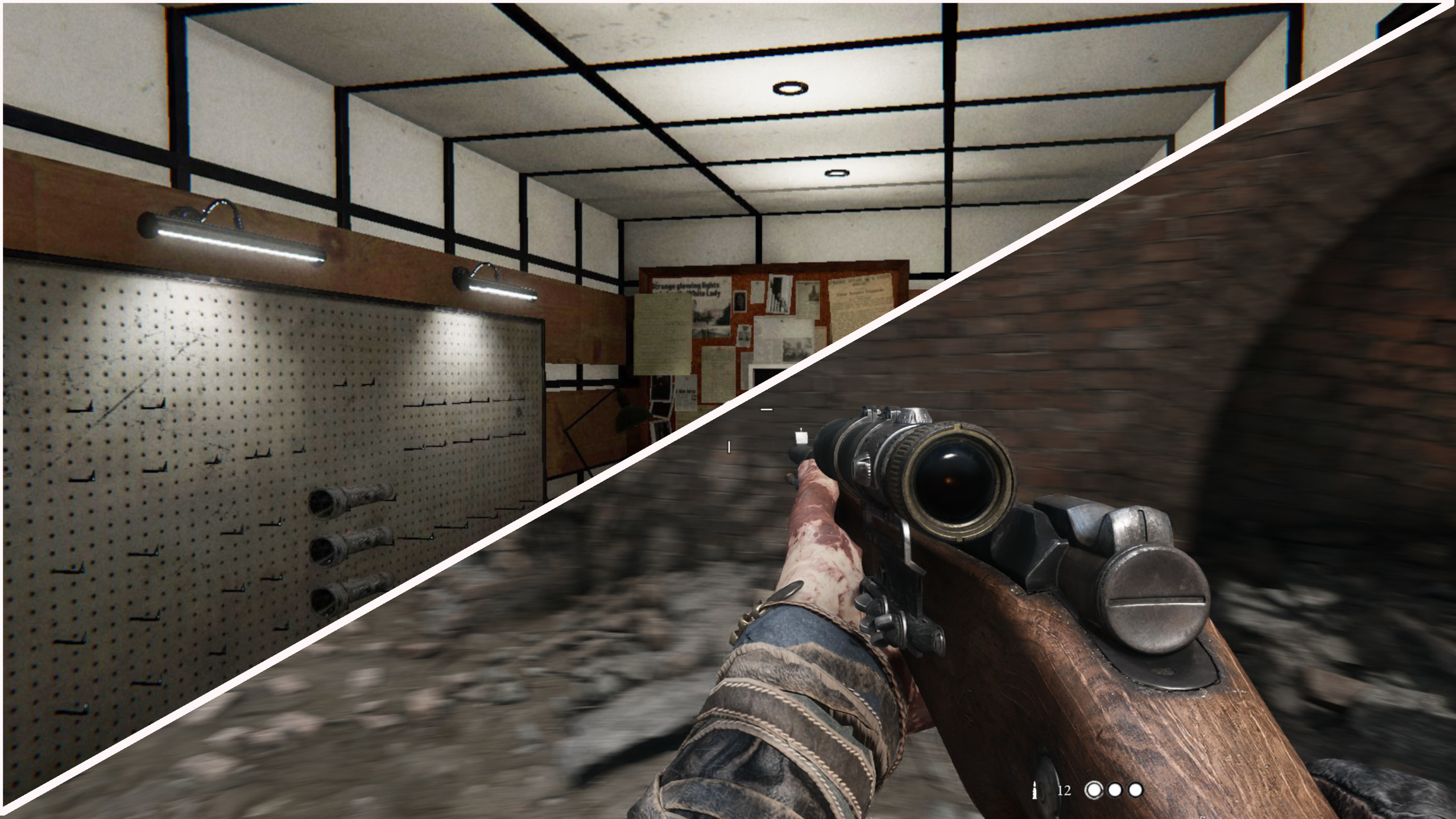
When testing motion blur in Hunt: Showdown, sweeping the camera rapidly to the side creates a night-and-day difference in visual fidelity. Without it, the environment remains crisp and readable; with it, the screen dissolves into a disorienting soup of pixels that can genuinely induce motion sickness in sensitive players.
Film Grain: Artistry or Annoyance?
Film grain introduces a layer of dynamic visual noise intended to mimic the aesthetic of physical celluloid film or gritty cinematic horror. While it can theoretically help mask low-resolution textures or banding in dark scenes, modern gamers frequently view it as an unnecessary layer of static that reduces overall image sharpness.
Interestingly, tracking down a truly offensive implementation of film grain for demonstration purposes proved surprisingly difficult. In titles like Phasmophobia, where a gritty atmosphere is paramount, the grain is relatively subtle—often only faintly visible at the top of the frame. Yet, the psychological rejection of the effect among PC gamers remains remarkably high, fueled by years of poorly optimized implementations that simply make games look messy.
Official Perspectives and Industry Trends
While game developers implement these features with specific artistic visions in mind, the growing backlash highlights a fundamental disconnect between cinematic intent and functional gameplay.
Art directors and graphics engineers often utilize post-processing effects to unify a game’s visual identity, hide rendering artifacts, or bridge the gap between rendered graphics and live-action cinematography. For instance, film grain and chromatic aberration are frequently employed to evoke a specific historical era, a gritty documentary feel, or a supernatural horror atmosphere.
However, the PC gaming community—and increasingly, performance-conscious console players—has consistently advocated for absolute user control. The inclusion of clear toggle switches for motion blur, film grain, depth of field, and lens flare has become a litmus test for a quality PC port. When developers lock these effects or fail to provide granular controls, it routinely sparks immediate backlash within the community, prompting modders to release "disable" patches within hours of a game’s launch.
Implications for Future Game Development
The fierce debate over graphical effects carries significant implications for the future of game design, optimization, and user interface (UI) design.
- The Rise of Granular Settings: As hardware capabilities continue to scale—allowing for native high-resolution rendering, ray tracing, and high refresh rates—players increasingly demand a pristine, uninhibited view of the game world. Developers are learning that forcing artistic filters can actively work against the clarity required for modern, fast-paced gameplay.
- Accessibility and Comfort: Beyond aesthetic preferences, many of these effects—particularly motion blur, aggressive depth of field, and screen shake—have direct accessibility implications. For a subset of gamers, these features trigger motion sickness, headaches, and eye strain. Recognizing post-processing effects as potential accessibility barriers is shifting how studios approach default settings.
- Community-Driven Design Choices: The success of polls like this one demonstrates the power of community consensus in shaping industry conversations. While developers will always retain their artistic freedom, the overwhelming rejection of certain visual tropes sends a clear message: give players the tools to customize their visual experience, or expect them to turn your artistic vision off entirely.
As the final votes are tallied and the ultimate champion of bad graphical effects is crowned, game developers would do well to watch closely. The message from the community is clear: sometimes, less processing is vastly more pleasing.

