

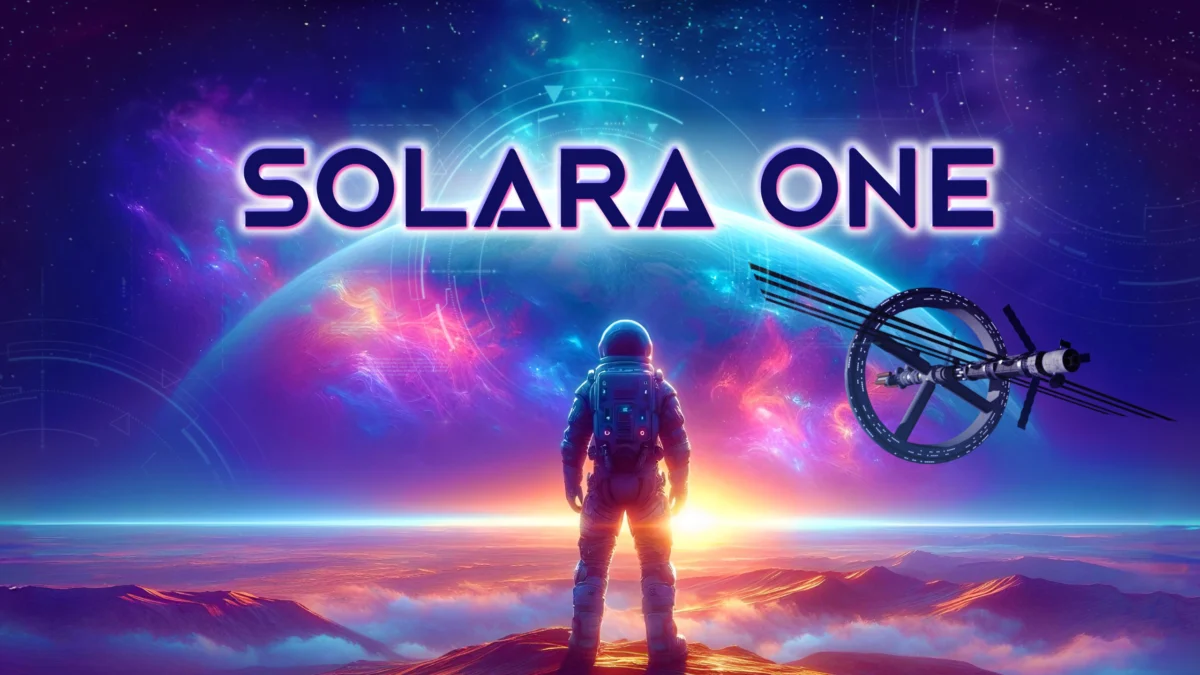
Virtual reality has long struggled to find the delicate balance between active gaming and passive relaxation. Most titles lean heavily into one extreme: they are either high-octane shooters that leave players physically exhausted or sterile guided meditation apps that offer little in the way of engaging interactivity.
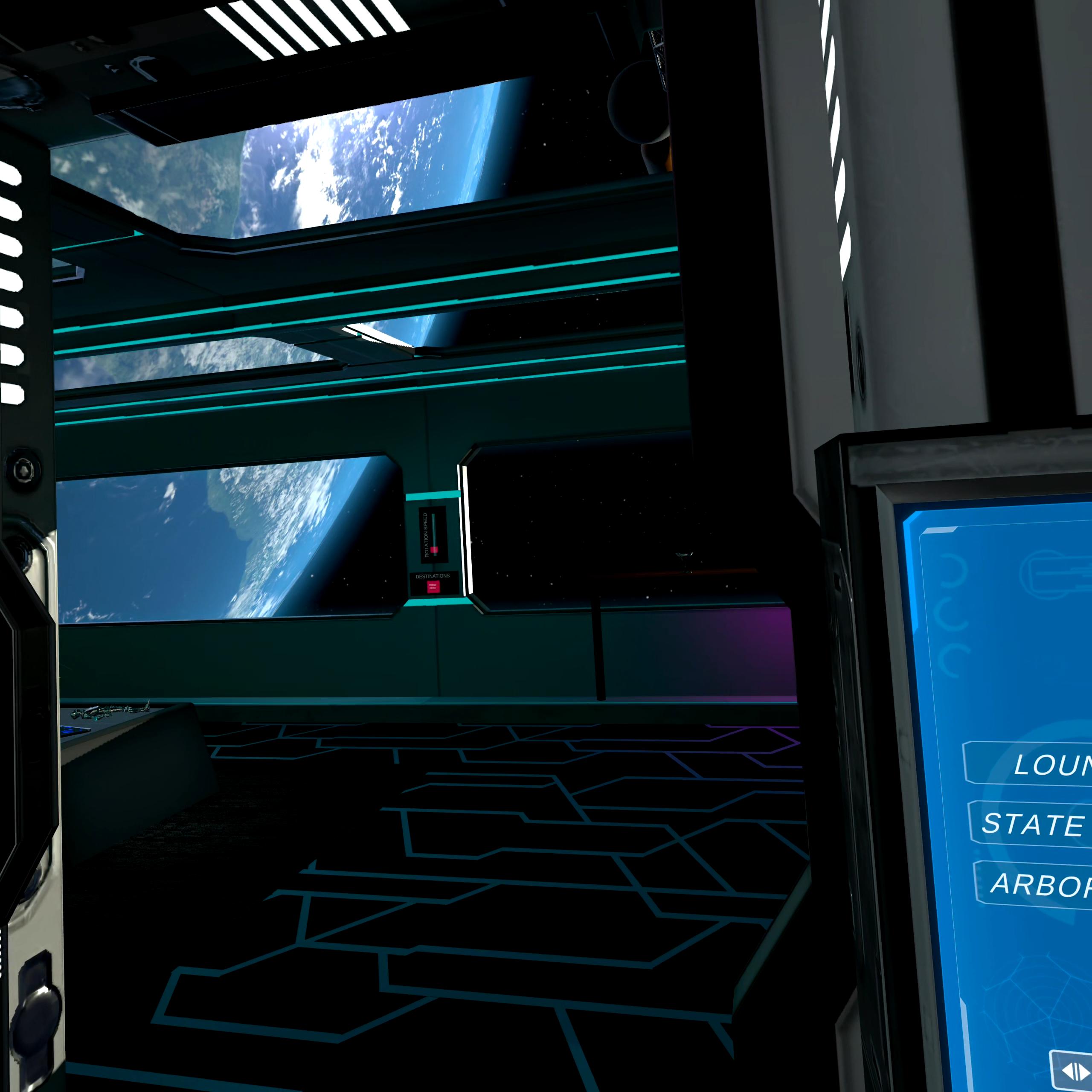
Enter Solara One, a singular VR experience that sits squarely at the center of a Venn diagram of genres, blending video game mechanics, guided meditation, and hard sci-fi space exploration.
What makes Solara One remarkable is not just its genre-bending design, but its origin. The entire application was conceived, coded, and polished by a single developer: Aaron Cryderman. A veteran data professional who spent the majority of his career at BlackBerry, Cryderman executed a major life pivot that left him with newfound free time. Channeling his lifelong passions for digital music creation, photography, meditation, and space art, he set out to build a digital sanctuary.
Impelled by a realization that real-world space travel would likely remain out of reach for him, Cryderman decided to build his own cosmos. After teaching himself the Unity game engine over several months, he launched Solara One on the Meta Quest platform in May 2024. Since its debut, the application has received a steady cadence of updates, refining everything from performance optimizations and visual fidelity to entirely new, world-expanding gameplay modes.
Chronology of a Cosmic Passion Project
The journey of Solara One from a solo experiment to one of the most uniquely praised ambient VR experiences on the Meta Quest is a masterclass in indie development tenacity.
- The Pre-Development Era: Aaron Cryderman spends years working with data at BlackBerry. Following a career shift, he pivots toward creative pursuits, dabbling in digital photography, ambient music composition, and space art.
- The Spark (Late 2023 / Early 2024): Facing the reality that physical space travel is an impossibility, Cryderman resolves to build a digital alternative. He spends months teaching himself the Unity game engine from scratch, laying the foundational physics, haptic feedback systems, and atmospheric audio landscapes for Solara One.
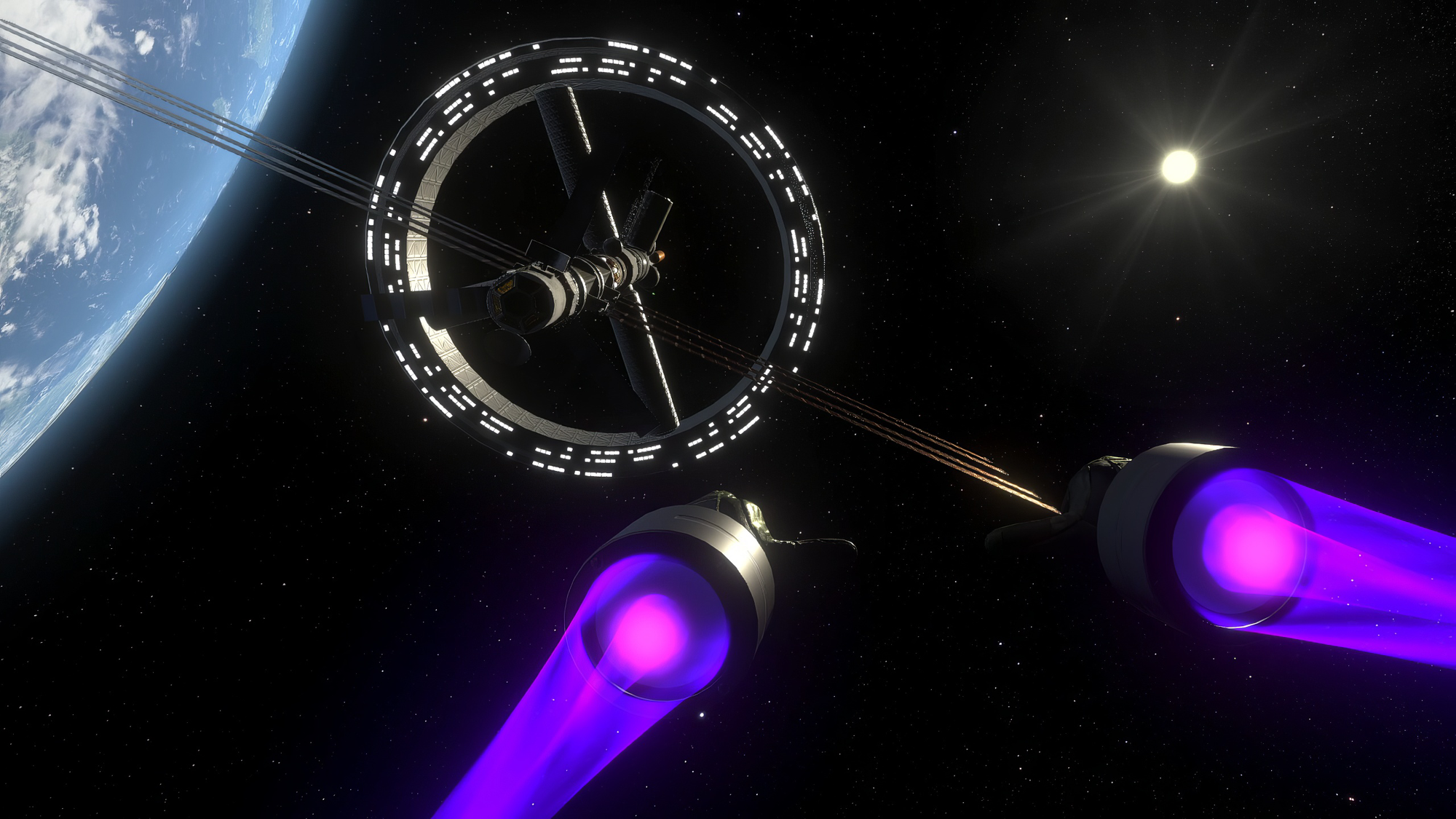
- May 2024: Solara One officially launches on the Meta Quest platform. Players are introduced to a gorgeous, physics-driven sci-fi space exploration experience that blends jet-thruster spacewalks with meditative relaxation.
- Summer 2024: Cryderman pushes a series of rapid-fire patches, incorporating performance enhancements, visual overhauls, and user interface improvements based on early community feedback.
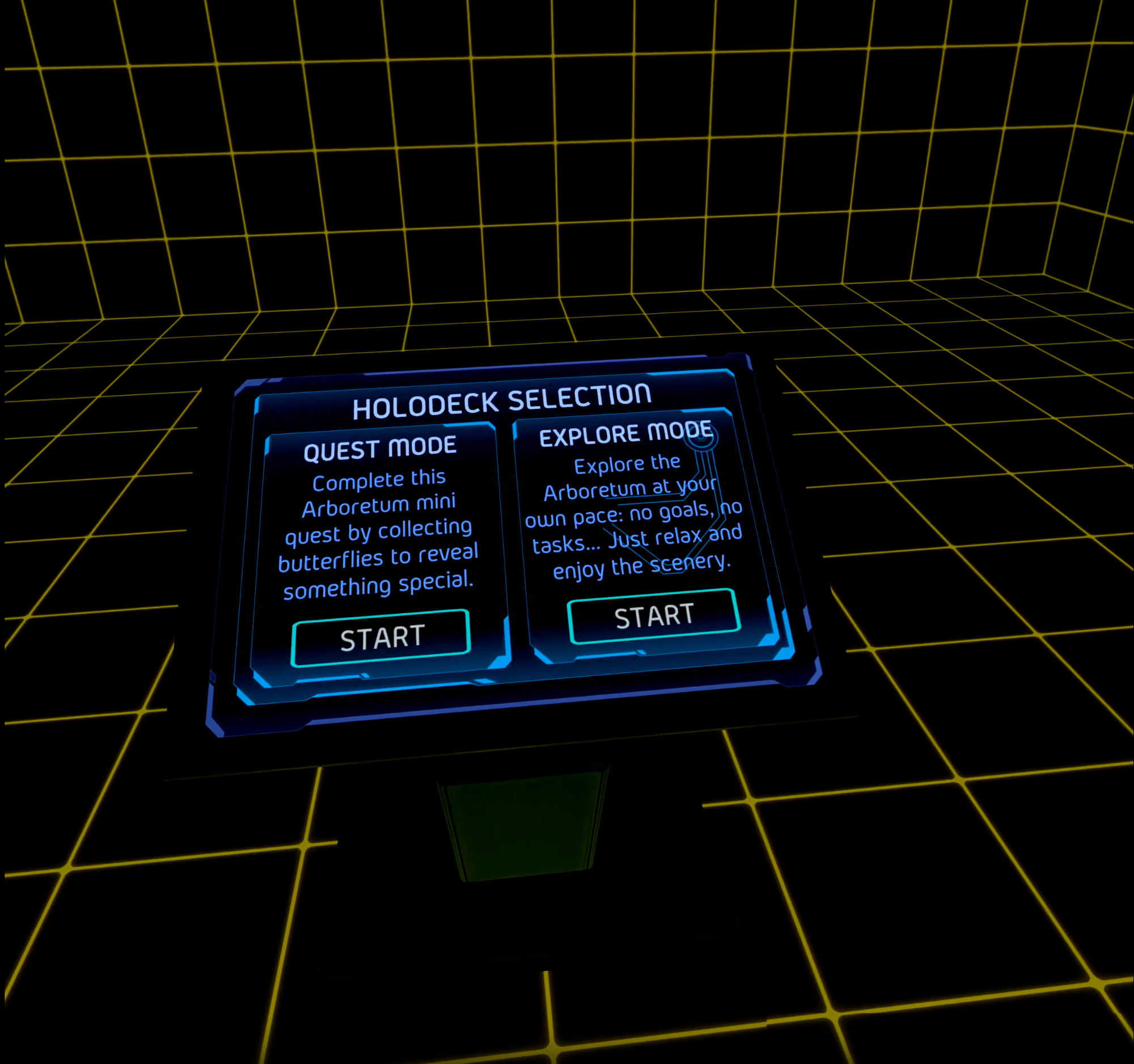
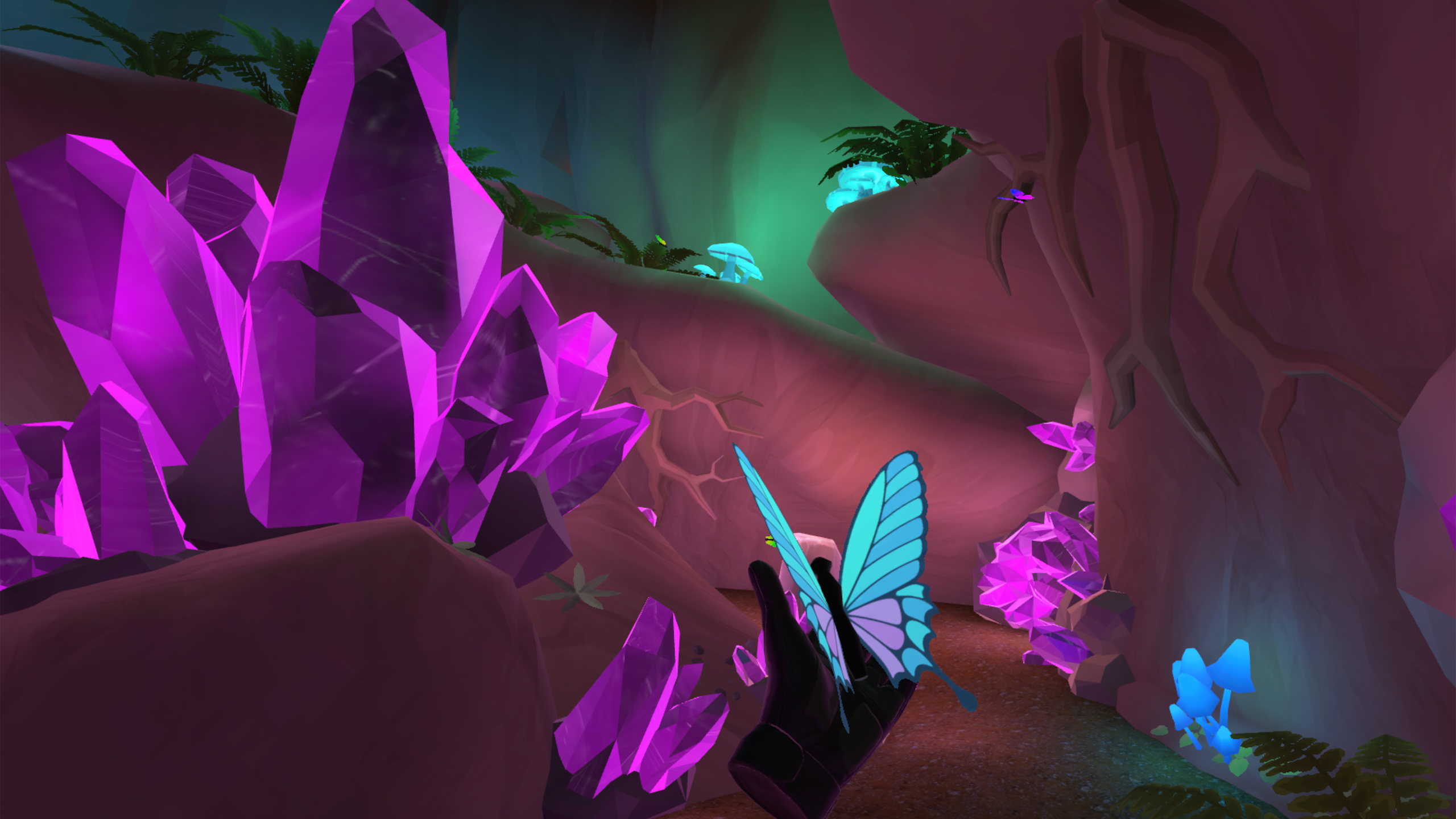
- Early September 2024: The milestone "Arboretum" update drops, bringing a Star Trek-inspired "Holodeck" environment to the application. This major content drop introduces dual "Quest" and "Explore" modes, shifting players from the cold void of space into a vibrant, living forest.
Supporting Data & Technical Architecture
Building a visually stunning, high-performance VR application is difficult for an entire studio; for a lone developer, it borders on the miraculous. Solara One relies on a complex web of technical pillars to maintain immersion without inducing motion sickness or dropping frames on standalone mobile VR hardware like the Meta Quest 3.
- Platform Availability: Exclusively optimized and released for the Meta Quest ecosystem.
- Core Engine: Built from the ground up using the Unity game engine.
- Sensory Design: Combines subtle physics engines, spatial haptic feedback, and a layered ambient soundtrack designed to elicit a genuine relaxation response from the user.
- Resource Optimization: The transition from deep-space backdrops to the lush, dense foliage of the Arboretum required meticulous asset optimization. Cryderman had to ensure that complex environmental assets—such as dynamic lighting, particle systems, and interactive flora—ran at a butter-smooth framerate on standalone mobile chipsets.
- Update Frequency: Over half a dozen major patches and content drops have been deployed since the May 2024 launch, proving a rare level of post-launch support for a solo indie title.
Official Responses and Developer Insights
To understand the philosophy driving Solara One, one must look at what inspired its most recent additions. Speaking about the creation of the Arboretum update—which introduces a lush, earthly forest into an otherwise cosmic journey—Cryderman noted that the idea was born out of a psychological premise: the day-to-day reality of living in outer space.
"I was thinking often about what it would actually be like to live in outer space, and how humans would eventually yearn for a more earthly environment, even if just for a little while," Cryderman explained. Naturally, this line of thinking drew heavy inspiration from classic science fiction, most notably Star Trek’s famous Holodeck.
However, bringing a forest into a space exploration app presented a unique design puzzle. Cryderman asked himself: What would a user actually do in a forest? How do you achieve an awe-filled meditative experience in a terrestrial environment, as opposed to floating above a rotating planet?
The answer came in the form of motion and attention guidance. In the Arboretum, glowing butterflies serve a purpose far beyond mere eye-candy. Cryderman deliberately designed their flight paths to replicate the hypnotic, effortless focus humans experience when staring into the flickering flames of a campfire.
"If you’re sitting around a campfire, you’re just sitting there and you’re mesmerized by the fire movement… you go into a naturally meditative state, but it’s effortless," Cryderman said. "The butterflies were kind of like… the campfire part, where that’s the thing that moves and kind of draws you in and focuses your attention a bit."
When asked about his target demographic, Cryderman stated: "My target for my game, my experience, is gamers who are looking to kind of relax and chill out in outer space." This philosophy explains why he included both a free-play "Explore" mode and a lightly gamified "Quest" mode in the Arboretum, giving users the agency to choose between active engagement and passive tranquility.
Implications for the Future of Solo VR Development
The success and ongoing evolution of Solara One carry significant implications for the broader virtual reality landscape, particularly regarding the viability of solo development on standalone headsets.
For years, the VR software market has been dominated by heavily funded studios capable of pumping out cinematic trailers and marketing campaigns. Yet, apps like Solara One demonstrate that consumer hunger for deeply personal, highly artistic passion projects remains insatiable. By focusing on niche intersections—such as the marriage of meditation and physics-based sci-fi—indie developers can carve out sustainable, highly dedicated user bases.
Furthermore, the Arboretum update signals a growing design maturity in wellness-focused VR. Early relaxation apps often treated the user as a passive consumer of 360-degree videos or static guided imagery. Solara One proves that interactivity—such as tracking hypnotic butterfly movements, solving light quests, and managing custom ambient spaces—can actually deepen the meditative state rather than disrupt it.
As hardware capabilities on devices like the Meta Quest continue to advance, the barrier to entry for solo creators shrinks, opening the door for more unconventional creators like Aaron Cryderman to bring their personal dreams to digital life. For now, Solara One stands tall as a rare triumph of modern indie development—a sprawling, multi-sensory universe built by a single set of hands, offering players a much-needed escape from the noise of daily life into the quiet majesty of the stars and the calming embrace of the forest.

