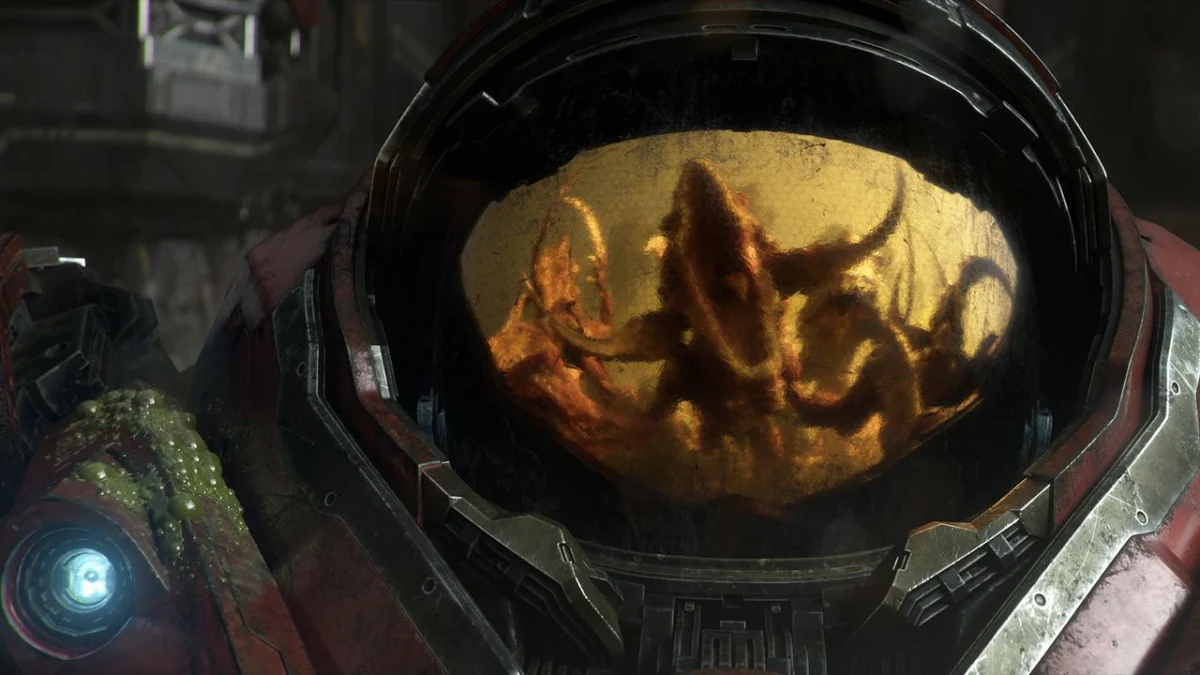
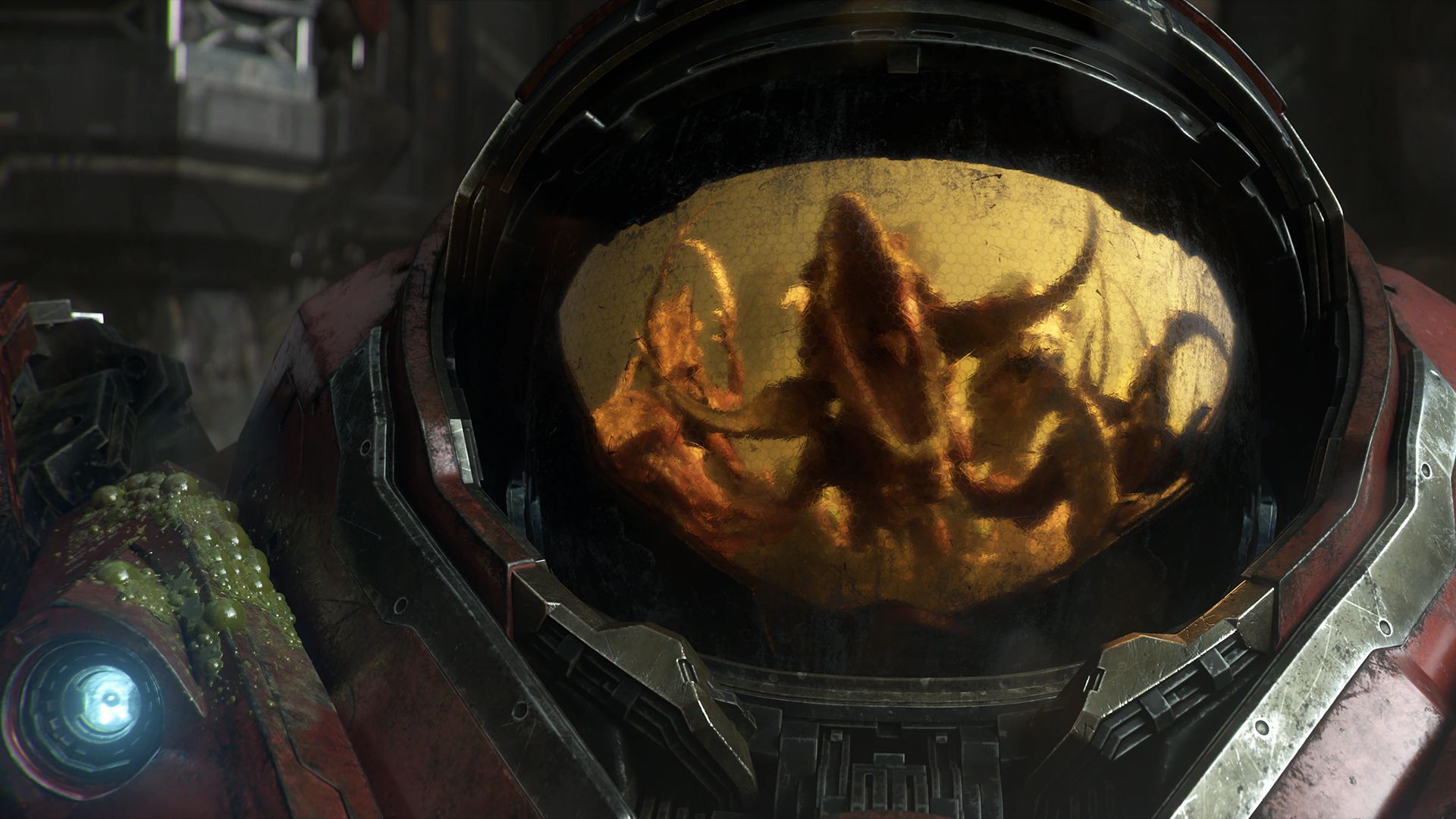
The gaming community experienced a rollercoaster of emotions at this year’s BlizzCon, headlined by two monumental, yet heavily scrutinized, announcements from Activision Blizzard: a new, open-world StarCraft shooter slated for a distant 2030 release, and the surprisingly fast-tracked development of Diablo 5, targeting a 2029 launch.
While the initial reveal of a StarCraft cinematic brought immediate, nostalgic thrills to the convention floor and digital streams alike, enthusiasm quickly dissipated when the closing title card flashed: STARCRAFT RETURNS 2030. Compounding fan skepticism was the confirmation that the storied real-time strategy (RTS) franchise is shifting genres into an open-world shooter.
Simultaneously, the announcement of Diablo 5 for 2029 raised eyebrows across the industry. Coming on the heels of Diablo 4, the compressed timeline signals a major strategic shift for Blizzard under its Microsoft parentage. In an era where announcing video games years—sometimes a decade—in advance is often viewed as a relic of outdated marketing playbooks, Blizzard is betting big on ultra-long-term transparency.
Behind these blockbuster announcements lies a complex corporate narrative. Blizzard President Johanna Faries has stepped forward to defend the lengthy runway, framing the early reveals as statements of operational confidence. However, industry analysts and workforce observers note that these ambitious roadmaps arrive against a turbulent backdrop: looming Microsoft-mandated restructuring and anticipated waves of layoffs scheduled for the coming year.
Chronology
To understand how Blizzard arrived at this juncture of ultra-early reveals and genre-bending revivals, it is necessary to examine the modern timeline of its flagship properties and corporate evolution.
The Post-Diablo 3 Era (2012–2023): For over a decade, Blizzard operated under a protracted development cycle. Fans waited 11 long years between the launches of Diablo 3 (2012) and Diablo 4 (2023). During this period, the studio faced numerous high-profile delays, leadership changes, internal cultural reckonings, and the eventual acquisition by Microsoft.
The Microsoft Acquisition (2023–2024): Microsoft officially finalized its historic $69 billion acquisition of Activision Blizzard. While early integration phases saw the company largely spared from the initial grim reset waves that hit Xbox divisions, structural pressures for predictable, high-yield output immediately ramped up.
Pre-BlizzCon Briefings (September 2026): Speaking with Bloomberg in an exclusive interview ahead of the convention, Blizzard President Johanna Faries outlined the company’s new philosophy regarding project visibility, signaling that major bets would soon be brought into the light.
BlizzCon Reveal (Current): Blizzard drops its dual bombshells: Diablo 5 targeted for 2029 and the newly minted StarCraft open-world shooter scheduled for 2030.
The Horizon (2027–2030): With subsequent waves of industry adjustments and an estimated 1,600-strong layoff wave expected across the broader Xbox ecosystem, Blizzard faces a grueling multi-year execution window to bring these projects to life without burning out its remaining talent.
Supporting Data
The announcement strategy deployed at this year’s BlizzCon breaks drastically from contemporary industry trends. Looking at the data surrounding modern triple-A game development reveals why fans and critics reacted with a mixture of awe and apprehension.
The Development Gap: The gap between Diablo 3 and Diablo 4 spanned 11 years. In sharp contrast, the timeline from Diablo 4 to the newly announced Diablo 5 (2029) is compressed to a mere 6 years.
The Wait for StarCraft: With the last major standalone real-time strategy release in the franchise concluding its trilogy with Legacy of the Void in 2015, the arrival of the 2030 shooter means fans will face a 15-year gap between major universe expansions—and a staggering four-year hype cycle from announcement to release.
The Layoff Landscape: While Blizzard successfully navigated the initial rounds of Microsoft’s post-acquisition cuts, internal industry reports and statements from labor monitors highlight that a second wave impacting up to 1,600 employees across various departments is slated to hit the broader corporate structure, casting a long shadow over studio morale.
Consumer Fatigue Metrics: According to modern gaming industry consumer insights, announcement windows exceeding 24 months routinely experience a "hype plateau," where initial excitement fades into apathy as players grow weary of prolonged marketing cycles characterized by cinematic-only updates and a lack of playable builds.
Official Responses
Faced with immediate skepticism regarding the wisdom of announcing games four to five years ahead of their street dates, Blizzard leadership has mounted a robust defense of their transparency.
In her interview with Bloomberg, Blizzard President Johanna Faries addressed the rationale behind pulling back the curtain so early.
"We want to convey confidence in some of our biggest bets coming forward," Faries explained. "We’re a Blizzard that’s going to ship, and ship big, and ship on time, and all hands on deck to set those projects up for success."
Faries’ comments are clearly designed to project stability in the wake of corporate restructuring under Microsoft. By assuring both shareholders and the public that Blizzard possesses a rock-solid roadmap, the leadership team aims to normalize long-lead marketing campaigns as a sign of institutional maturity rather than development hell.
Furthermore, Faries addressed the delicate human element within the studio, explicitly acknowledging the need to foster a sustainable workspace amidst industry-wide volatility. She expressed her desire for BlizzCon to serve as an emotional sanctuary for both staff and long-time devotees:
"Preserving that has been my ultimate focus—the unique special sauce that is Blizzard both culturally and creatively," Faries noted. "And to the extent that we can perform well for Microsoft, I think that should be seen as a mutual win."
Despite declining to directly address the specifics of impending workforce reductions, Faries emphasized that her absolute priority remains cultivating "as healthy a Blizzard as possible" under the massive corporate umbrella of Xbox.
Implications
The long-term implications of Blizzard’s recent BlizzCon showings extend far beyond the release dates of two high-profile franchises. They signal a watershed moment for how legacy publishers manage intellectual property, consumer expectations, and workforce security in the late 2020s.
1. The Death (and Rebirth) of the Surprise Drop
For years, the industry trend moved toward shorter marketing cycles—announcing games 12 to 18 months before launch to maintain white-hot momentum (a strategy popularized by companies like Bethesda and Nintendo). Blizzard’s return to the four-to-five-year lead time suggests that under corporate mandates from Microsoft, massive capital-allocation projects require early public validation. However, this risks fatiguing the audience before the game ever hits shelves. When a trailer states "2030," veteran gamers immediately mentally append "at the earliest," knowing that modern game development is fraught with delays.
2. Genre-Morphing and Fan Alienation
Taking StarCraft—the undisputed crown jewel of competitive real-time strategy—and pivoting it into an "open-world shooter" is a high-risk gamble. While Blizzard successfully modernized Diablo and World of Warcraft over decades, alienating the core RTS purist demographic to chase contemporary shooter trends could backfire. The community’s deflation upon hearing the genre descriptor highlights the tension between legacy fan nostalgia and modern monetization-driven design philosophies.
3. Talent Retention in an Era of Uncertainty
Perhaps the most critical implication rests on human capital. Blizzard is attempting to project an image of an "oasis of joy" and creative freedom while simultaneously operating under the looming shadow of Microsoft’s broader corporate restructurings and pending layoffs. Asking developers to pour their hearts into projects with horizons stretching to 2030—while knowing job security across the industry remains volatile—creates an intense psychological burden.
Ultimately, Blizzard’s 2026 BlizzCon showcase was a double-edged sword. It proved that the studio is not resting on its laurels and is actively greenlighting massive investments in its iconic universes. Yet, by locking themselves into rigid, multi-year timelines under intense corporate scrutiny, Blizzard has painted a massive target on its back. Whether these ambitious bets will result in legendary triumphant releases or cautionary tales of over-promising remains one of the most compelling storylines in modern gaming.