

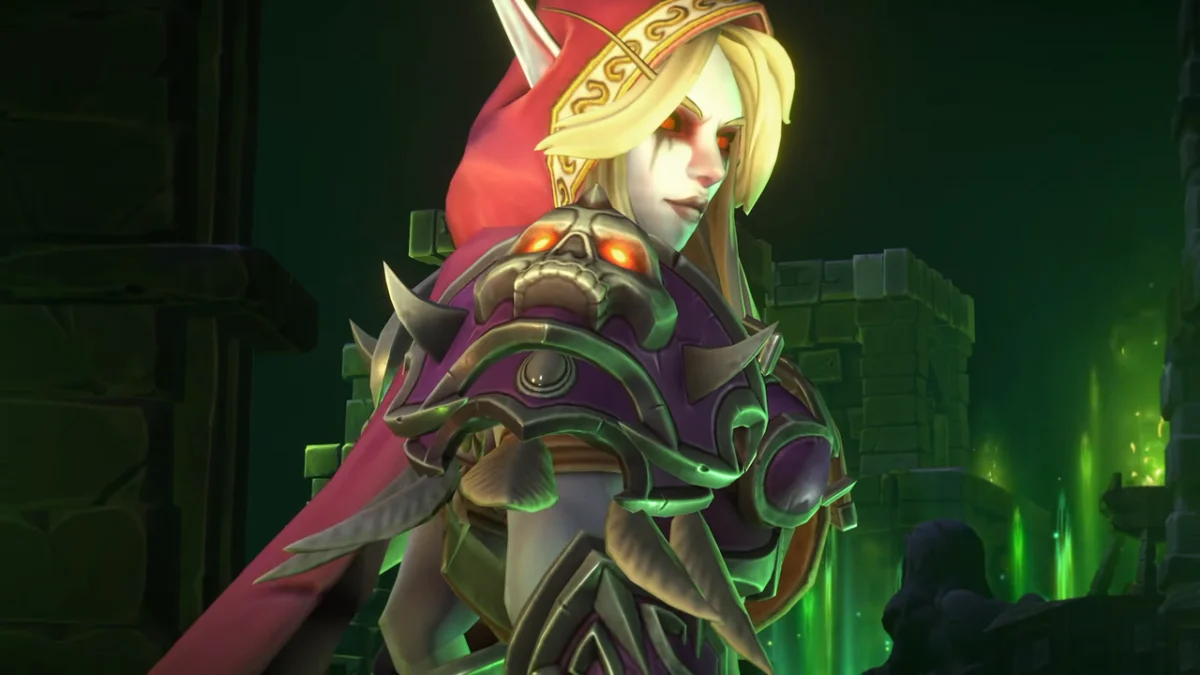
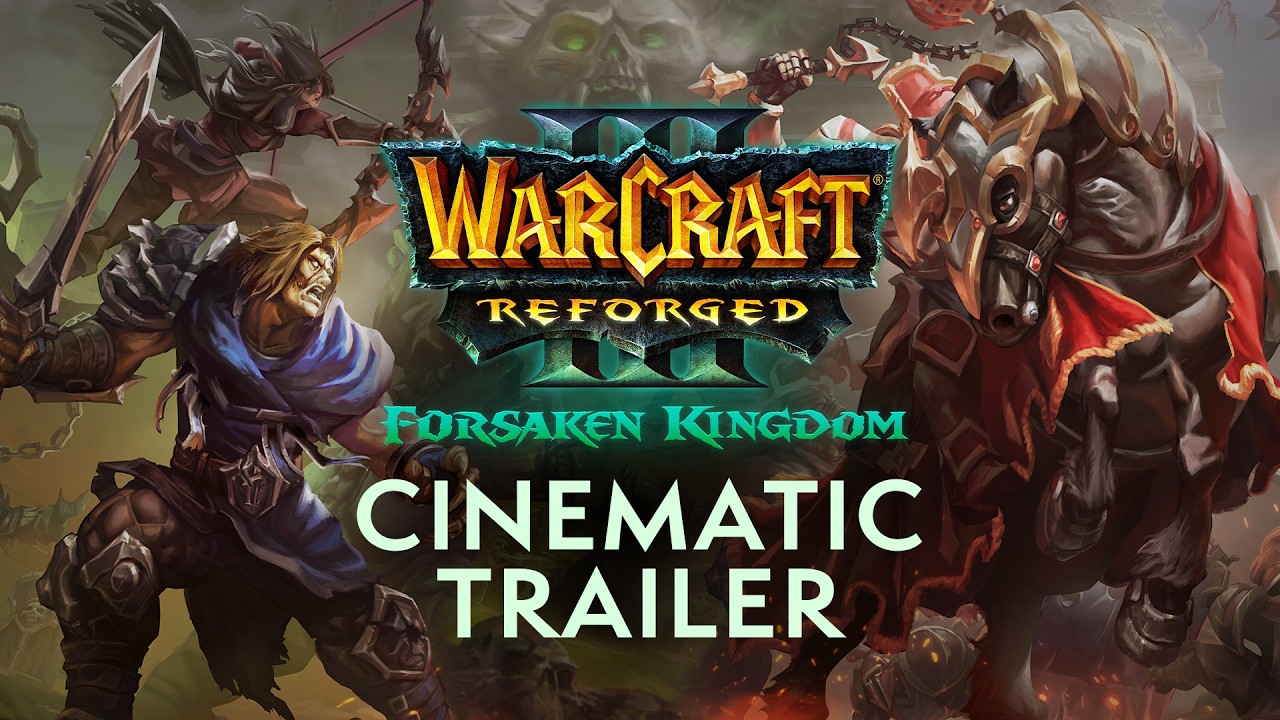
SAN FRANCISCO — In a move that has sent shockwaves through the classic real-time strategy (RTS) community, Blizzard Entertainment has officially announced Warcraft III Reforged: Forsaken Kingdom, a brand-new, two-part official campaign for Warcraft III: Reforged. Revealed during a pre-brief ahead of BlizzCon’s opening ceremony, the surprise expansion marks a monumental milestone for the franchise: it is the first official campaign released for Warcraft 3 since the iconic The Frozen Throne expansion launched more than two decades ago in 2003.
To the absolute delight of RTS enthusiasts, Blizzard bypassed the traditional prolonged marketing rollout, confirming that Forsaken Kingdom is dropping today alongside a massive, free 3.0 update for Warcraft III: Reforged.
Main Facts: What is Forsaken Kingdom?
Warcraft III Reforged: Forsaken Kingdom is a narrative-driven, two-part expansion designed specifically to build upon the foundation of Warcraft III: Reforged, the somewhat controversial 2020 remaster of the 2002 RTS classic.
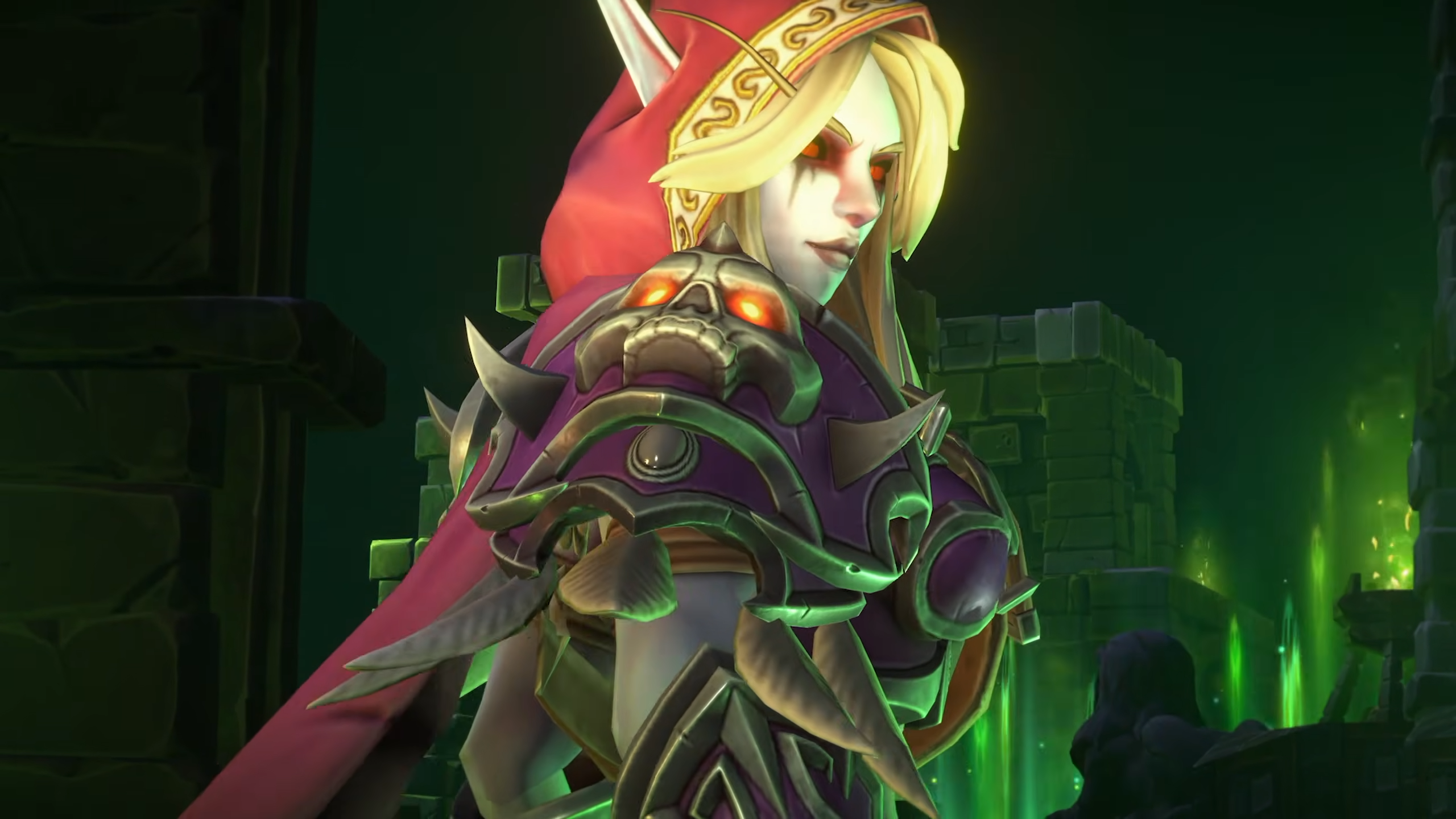
- The Narrative Scope: The expansion begins with a narrative-heavy prologue that dives deep into the complex history of Arthas Menethil—the fallen Prince of Lordaeron who serves as the primary antagonist of World of Warcraft’s acclaimed Wrath of the Lich King expansion.
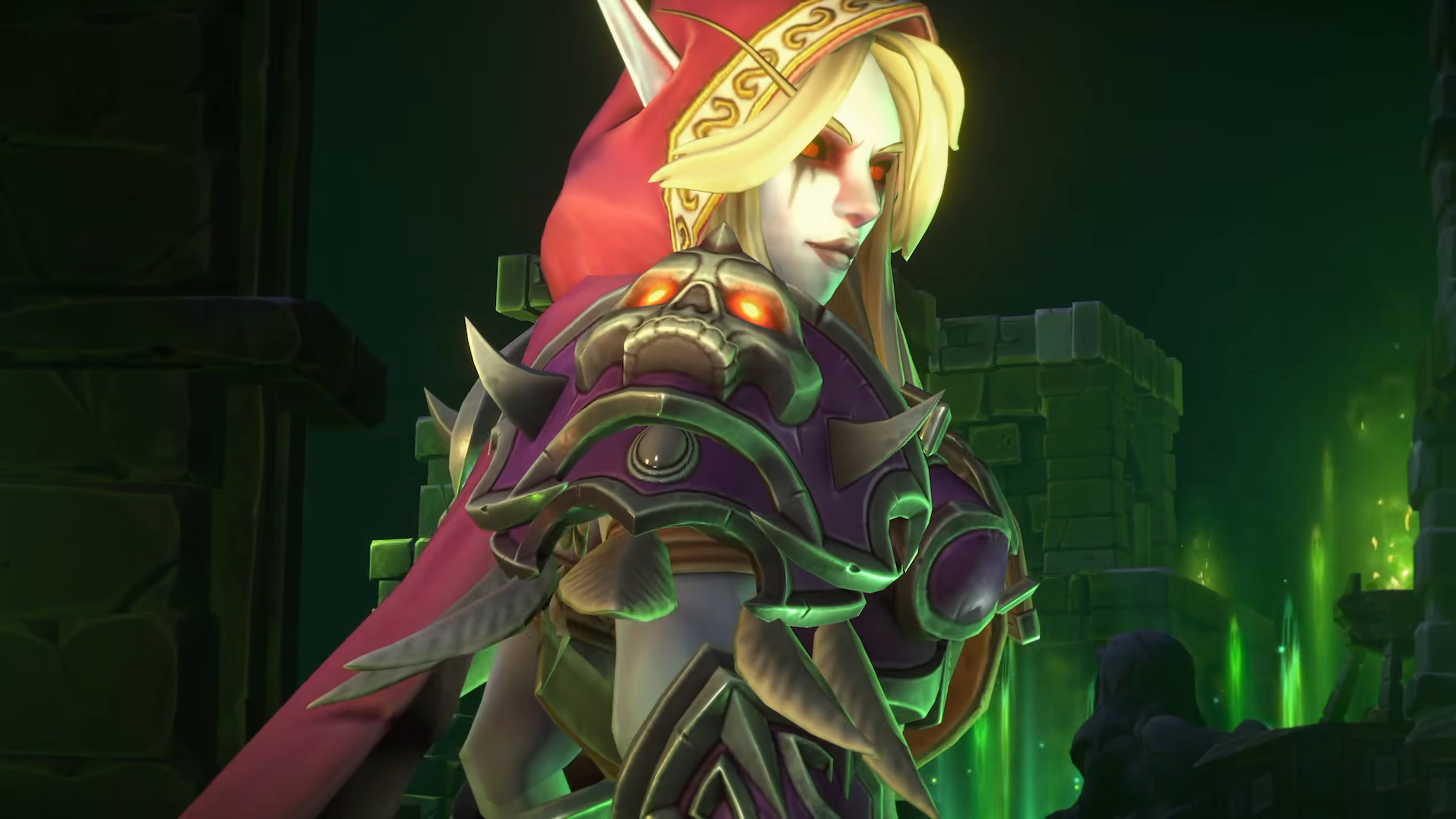
- The Main Campaign: Following the prologue, the campaign shifts its primary focus to the Undercity, the subterranean capital of the undead Forsaken Kingdom. Players will experience the political and military maneuvers of iconic characters such as Sylvanas Windrunner, Grand Apothecary Putress, and the zealous factions of the Scarlet Crusade.
- The Patch 3.0 Update: Alongside the launch of the campaign, Blizzard is deploying a free 3.0 content update for Warcraft III: Reforged. While full patch notes are still being dissected by the community, developers have hinted at underlying technical refinements, balancing adjustments, and tools intended to stabilize the game’s custom map and modding ecosystem.
- Availability: The expansion is available immediately on Battle.net for owners of Warcraft III: Reforged.
Chronology: A 23-Year Wait for New Content
To understand the magnitude of this announcement, one must look back at the historical timeline of the Warcraft RTS series, which laid the groundwork for the most lucrative intellectual property in Blizzard’s portfolio.
2002–2003: The Golden Age of RTS
- July 2002: Blizzard releases Warcraft III: Reign of Chaos, revolutionizing the RTS genre with fully 3D character models, hero units with RPG-like progression, and a robust world editor that would eventually birth the Multiplayer Online Battle Arena (MOBA) and Tower Defense genres.
- July 2003: The release of the expansion Warcraft III: The Frozen Throne. It added new campaigns, hero units, neutral structures, and refined gameplay mechanics. For over twenty years, The Frozen Throne remained the final official chapter of the Warcraft RTS saga.
2018–2020: The Controversial Remaster
- November 2018: At BlizzCon 2018, Blizzard announces Warcraft III: Reforged, promising completely overhauled character and structure art, modernized campaign cutscenes, and upgraded Battle.net integration.
- January 2020: Warcraft III: Reforged officially launches to severe backlash from the community. Fans criticize missing features, technical performance issues, mandatory structural changes to the original game client that broke older custom maps, and cutscenes that fell short of the cinematic fidelity initially promised in 2018.
2026: The Unexpected Redemption Arc
- Present Day: Blizzard announces and immediately releases Forsaken Kingdom at BlizzCon. The surprise drop signals a dramatic shift in corporate strategy, moving from damage control to actively investing new creative energy into classic-era properties.
Supporting Data: The Surprising Trend of 2026 Retro Expansions
Warcraft III Reforged: Forsaken Kingdom does not exist in a vacuum. Surprisingly, the gaming industry in 2026 has quietly birthed a brand-new, highly unexpected category: the legacy expansion for decades-old games and remasters.
The trend highlights a major shift in how publishers are treating foundational back-catalogs, catering to aging, dedicated demographics of nostalgic gamers who crave new content for time-tested engines rather than entirely new live-service experiences. Consider the following parallel releases landing in roughly the same window:
- Nightdive Studios’ Thief Remastered: The Tarnished Mirror: Bringing brand-new levels and narrative threads to the seminal 1998 stealth immersive sim.
- Quake: Dawn of the Machine: Id Software and Bethesda’s continued support for the 1996 classic shooter, proving that retro-FPS frameworks still have commercial and artistic viability.
- The Witcher 3: Songs of the Past: CD Projekt Red blending legacy updates with new narrative additions in tandem with full-game remaster efforts.
This data suggests that players are increasingly fatigued by hollow live-service treadmills, leading major studios to look backward to resurrect and deeply enrich foundational masterpieces.
Official Responses and Developer Insights
During the BlizzCon pre-brief, developers emphasized that Forsaken Kingdom was born out of a desire to directly address the passionate community that stuck with Warcraft III through its darkest hours.
"When we looked at the history of Lordaeron, there were eras and character arcs that we simply couldn’t cover back in 2003 or even during the initial Reforged rollout," a lead developer noted during the presentation. "The story of the Forsaken, Sylvanas’s early struggles to carve out an identity independent of the Lich King, and the desperate internal conflicts of the human survivors created an incredible narrative vacuum. Forsaken Kingdom is our love letter to the RTS players who kept this universe alive in custom lobbies for over twenty years."
While initial community reception on social media and forums has pivoted from skepticism to cautious optimism, long-term fans are eager to see if the missions match the high benchmark set by classic Blizzard campaign design from the early 2000s.
Implications: Can Reforged Be Redeemed?
The release of Forsaken Kingdom carries profound implications for the future of Blizzard’s legacy titles:
- Rehabilitating Reforged: The 2020 launch of Warcraft III: Reforged is widely considered one of Blizzard’s lowest points, resulting in a fractured community and lingering resentment. Delivering a robust, high-effort expansion alongside a 3.0 technical update is arguably the only path forward to win back goodwill. It proves that the studio has not entirely abandoned the project to die a quiet death.
- The Return of Classic RTS: For years, industry analysts declared the RTS genre commercially unviable for AAA publishers, pointing to the stagnation of real-time strategy franchises in the 2010s. However, the unexpected success of modern strategy revivals and legacy support shows that a devoted, high-value core audience remains ready to buy.
- Expanding Lore Continuity: By utilizing Warcraft III as a canvas to explore secondary lore threads—such as the early days of the Forsaken and the Scarlet Crusade—Blizzard is bridging the gap between classic RTS lore and the sprawling, decades-old narrative tapestry of World of Warcraft. This offers old-school strategy purists and modern MMO players a unified narrative playground.
As players download Forsaken Kingdom today, the ultimate question remains: will the halls of the Undercity live up to the legendary standards of the original campaigns? If early trailer footage is any indication, the dead have risen once more, and Lordaeron will never be the same.

