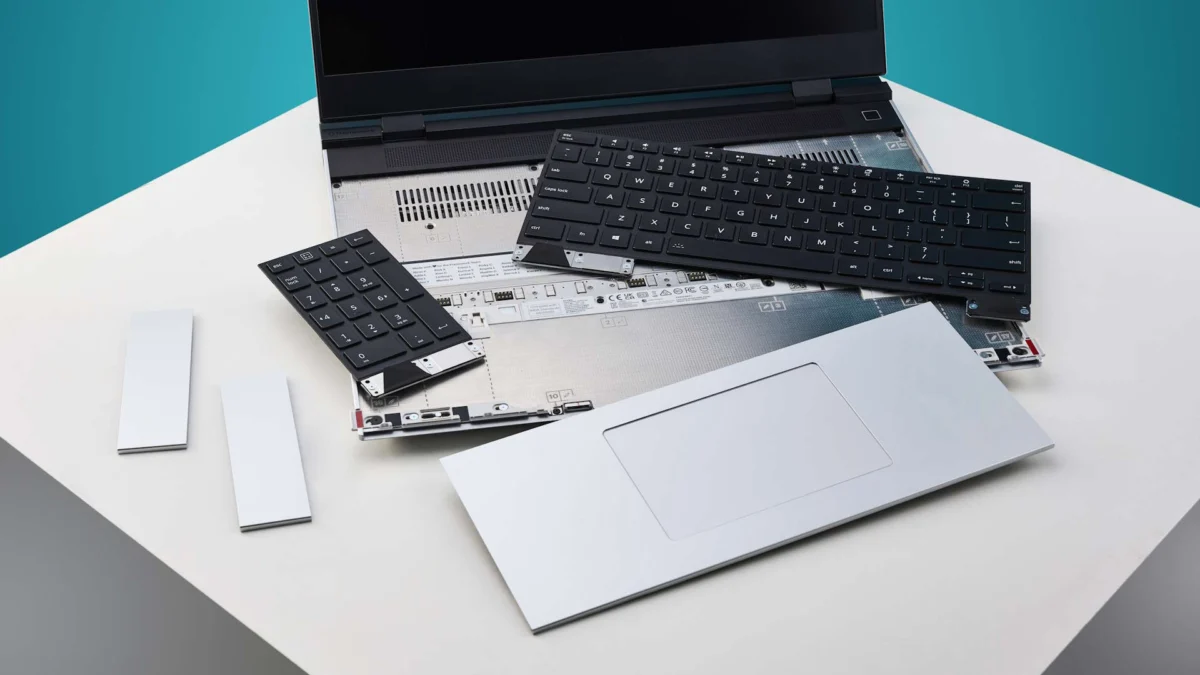
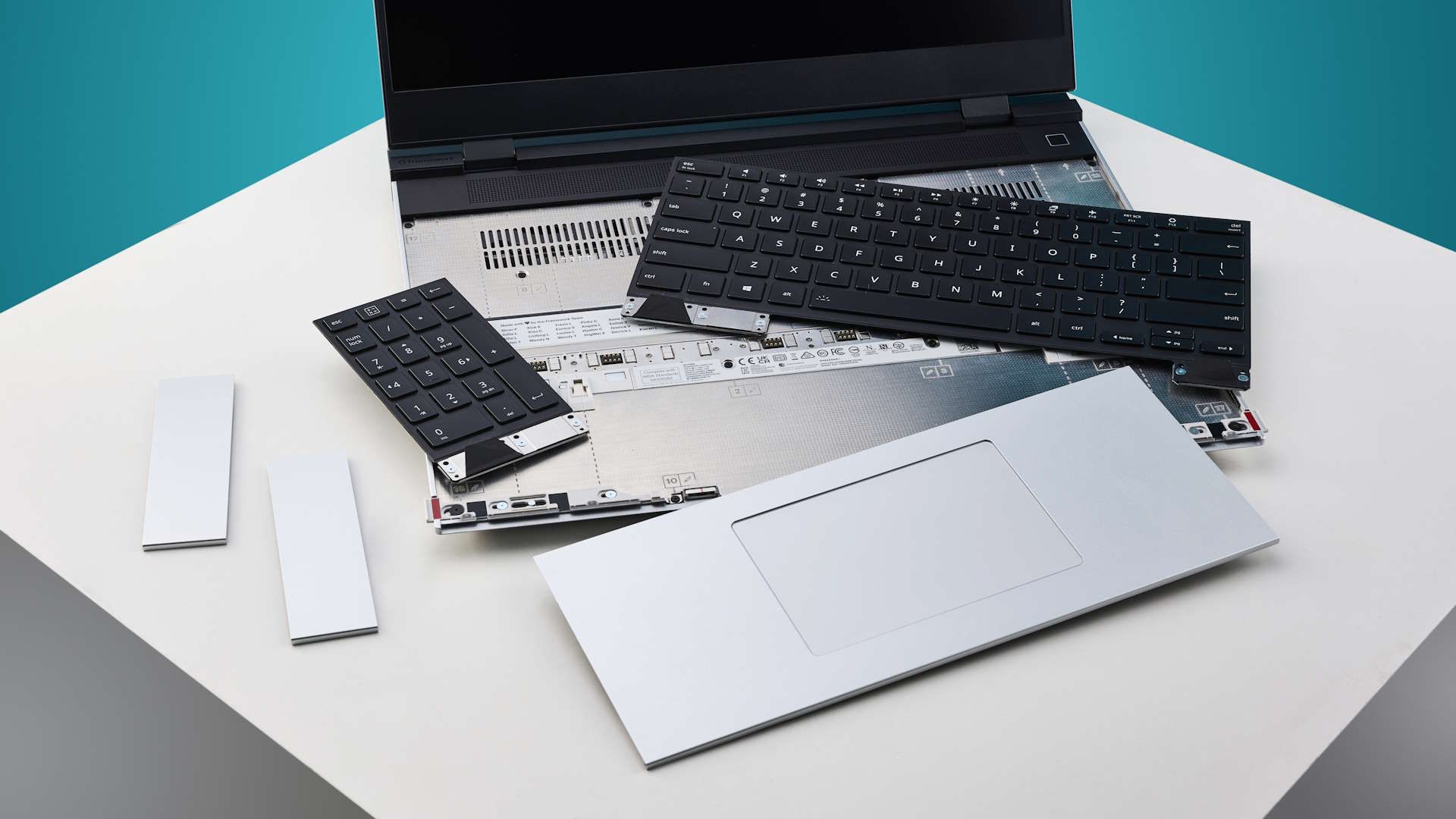
Modular laptop pioneer Framework has officially announced the cancellation of its experimental One Key Module Developer Program, dealing a blow to enthusiasts of ultra-low-profile keyboards and bespoke hardware customization. Initially launched in December 2022, the initiative aimed to let developers and end-users design, build, and integrate custom ultra-low-profile keyboards and specialized input modules specifically for the Framework Laptop 16.
However, after a rigorous three-year incubation period filled with extensive prototyping and developer collaboration, the company has conceded that the hardware project cannot transition into a commercially viable, sellable product.
The ultimate collapse of the One Key Module boils down to insurmountable hurdles regarding manufacturing economics, component fragility, and low-volume production overhead. While the product will never see a retail launch, Framework is open-sourcing its development documentation and firmware on GitHub, distributing remaining prototype hardware to project contributors to foster ongoing community tinkering.
Chronology of a Modular Ambition
December 2022: The Vision Takes Shape
Framework officially opens the doors to the One Key Module Developer Program. The concept is born out of the company’s core ethos: bringing desktop-level modularity and customization to the portable form factor. The Framework Laptop 16, with its expansive chassis and swappable input decks, serves as the ideal testbed for this ambitious endeavor. The goal is to give users granular control over their typing experience, allowing for custom mechanical layouts, macro pads, and specialized ultra-low-profile switches.
2023–2024: Prototyping and Collaborative Pain Points
Over the next two years, Framework works closely with expert DIYers, electronics enthusiasts, and hardware developers to iterate on early designs. While passion runs high, physical reality begins to push back against the design parameters. The mechanical tolerances required for an ultra-low-profile laptop keyboard prove exceptionally punishing. Developers find that the physical modules are exceedingly difficult to assemble reliably, struggling with fragile components that complicate both home-brewed and small-batch assembly.
Late 2025 – Early 2026: Economic Realities Set In
As the program enters its final review stages, Framework assesses the financial feasibility of mass production. The per-key manufacturing costs are found to be excessively high, creating a breakeven pricing model that would price the product completely out of reach for everyday consumers. Neither Framework nor its external suppliers can shoulder the steep overhead costs required to manufacture such a complex piece of hardware at low volumes.
The Final Verdict: Program Closure
Framework officially pulls the plug on the commercial viability of the One Key Module. Rather than letting years of collaborative research disappear into a corporate vault, the company chooses to open-source the underlying firmware and documentation, officially passing the torch to the open-source hardware community.
Supporting Data and Economic Realities
The failure of the One Key Module highlights the precarious financial and engineering tightrope that niche hardware manufacturers must walk. Mass-market laptop manufacturing relies heavily on economies of scale—producing millions of identical, standardized keyboards to drive down per-unit costs.
In contrast, the One Key Module targeted a hyper-niche segment of power users who desired ultra-low-profile mechanical switches configured to personal specifications. According to Framework’s post-mortem analysis, the production economics failed on two major fronts:
Material and Assembly Yields: Ultra-low-profile mechanical switches require microscopic tolerances. Achieving acceptable factory yields—the percentage of functional units produced without manufacturing defects—proved financially unsustainable.
Per-Key Break-Even Costs: Because the addressable market for a modular, ultra-low-profile laptop keyboard is inherently small, the initial retail price would have had to be set exorbitantly high just to recoup research, development, and tooling costs. This would have severely limited sales volume, creating a classic vicious cycle of high prices and low demand.
Component Fragility: Feedback from participating DIYers indicated that the components were simply "too fragile for easy handling." In consumer electronics, durability is paramount; hardware that breaks or deforms during standard user installation or maintenance is a non-starter for commercial release.
Official Responses and Community Impact
Framework’s transparency regarding the cancellation has drawn widespread praise from tech journalists and consumers alike, cementing the company’s reputation for radical candor in an industry notorious for corporate secrecy.
In its official developer program recap, the company detailed the exact reasons for the project’s demise, writing:
"We weren’t able to bring material and assembly costs along with manufacturing yield to a place where the product economics worked. The per-key costs resulted in breakeven pricing too high to reasonably enable high volume sales, and neither we nor our suppliers can take on the overhead of manufacturing a product of this complexity at low volumes."
Rather than erasing the project’s history, Framework has elected to empower its community of tinkerers. The company has uploaded comprehensive open-source documentation and input module firmware systems directly to GitHub. Furthermore, remaining prototype development modules are being gifted to the dedicated developers who invested time and ingenuity into the program.
This move mirrors Framework’s broader business strategy of fighting against anti-consumer industry trends. The company recently garnered industry-wide attention for defying broader market spikes in component pricing—such as the recent memory cost surges—by retroactively lowering the prices of its LPCAMM2 modules for customers.
Broader Implications for Laptop Modularity
The cancellation of the One Key Module serves as a cautionary yet illuminating case study for the future of modular computing. While companies like Framework have successfully proven that consumer-repairable laptops, swappable ports (Expansion Cards), and modular graphics solutions (like the Framework 16’s GPU system) are viable, input devices remain a uniquely difficult frontier.
The Limits of Customization: Laptops impose strict physical constraints regarding thickness, weight, and structural rigidity. While desktop keyboards can afford to be heavy, thick, and mechanically complex, laptop input modules must withstand the violent flexing of being carried in backpacks while remaining paper-thin.
The Open-Source Silver Lining: By releasing documentation to GitHub, Framework is pivoting from a top-down commercial product model to a bottom-up community-driven innovation model. While mass production proved impossible for a company of Framework’s scale, independent makers with 3D printers, custom PCBs, and soldering irons may yet find creative ways to realize ultra-low-profile designs.
Consumer Appetite for Honesty: Framework’s handling of this failure reinforces a valuable lesson for tech hardware manufacturers: consumers are far more forgiving of cancelled projects when companies communicate openly about engineering hurdles, cost structures, and supply chain limitations.
As the PC hardware landscape continues to grapple with rising production costs and shrinking margins, Framework’s willingness to walk away from an unviable product—while openly sharing the wreckage with the world—ensures that the spirit of experimentation lives on, even if the One Key Module itself has met its end.