

Breaking the Mold: HyperX Delivers Premium Features at a Mid-Range Price Point
The landscape of wireless gaming headsets has long been a domain where premium features often come with a premium price tag, forcing budget-conscious consumers to make significant compromises. However, HyperX, a brand synonymous with gaming peripherals, is challenging this norm with its newly released Cloud Stinger 3 Wireless. This headset aims to bridge the gap, offering an impressive blend of comfort, performance, and extraordinary battery life, typically found in much more expensive models, all while staying just under the crucial $100 mark.
Main Facts: Unpacking the Value Proposition
At its core, the HyperX Cloud Stinger 3 Wireless is designed to deliver a robust wireless gaming experience without breaking the bank. Priced at $99.99, it stands out with several key specifications:
- Audio Prowess: Equipped with large 50mm dynamic drivers, it boasts an expansive frequency response range of 10 – 50,000 Hz, promising a wide audio spectrum for immersive gameplay and music listening.
- Unrivaled Battery Life: A staggering "up to 80 hours" of battery life on a single charge via 2.4GHz wireless connectivity sets a new benchmark in its price category, rivaling and even surpassing many high-end competitors.
- Featherlight Comfort: Weighing in at a mere 10.1 ounces (286.5g), combined with plush leatherette-covered memory foam earpads and headband, it prioritizes extended wear comfort.
- Durable Design: Despite its lightweight plastic frame, the inclusion of reinforced metal yokes and stainless steel headband sliders hints at a commitment to durability.
- Dual-Wireless Connectivity: Offering both 2.4GHz wireless and Bluetooth connections, the headset provides versatile compatibility across multiple platforms and devices.
The Cloud Stinger 3 Wireless positions itself not merely as a budget option, but as a "budget-friendly (ish)" headset that refuses to significantly compromise on crucial performance metrics. Its aggressive pricing strategy, considering the features on offer, suggests a direct challenge to the established mid-range and even some entry-level premium segments of the gaming peripheral market.
Chronology: The Evolution of a Stinger
The HyperX Stinger series has historically represented the brand’s commitment to offering accessible, quality gaming audio. From its inception, the Stinger line has focused on core functionalities: solid sound, reliable communication, and essential comfort, often foregoing the flashier RGB lighting or complex software suites seen in higher-tier products. Each iteration has aimed to refine this formula, responding to market demands for improved wireless capabilities, longer battery life, and enhanced comfort.
The Cloud Stinger 3 Wireless is the latest evolution, marking a significant leap forward, particularly in its wireless capabilities and power efficiency. Previous Stinger models laid the groundwork for a lightweight, comfortable design, and the Cloud Stinger 3 Wireless builds upon this legacy by integrating a powerful battery and versatile dual-wireless connectivity, addressing the growing demand for untethered gaming experiences. Its development reflects HyperX’s continuous effort to democratize features that were once exclusive to premium segments, making high-performance wireless gaming more attainable for a broader audience. This product launch underscores a strategic pivot towards maximizing user experience through fundamental improvements rather than superficial additions, firmly establishing the Stinger 3 Wireless as a key player in HyperX’s current product portfolio and a strong indicator of their future direction in the affordable gaming headset market.
Supporting Data: A Deeper Dive into Design, Performance, and Features
Design and Ergonomics: Prioritizing Marathon Sessions
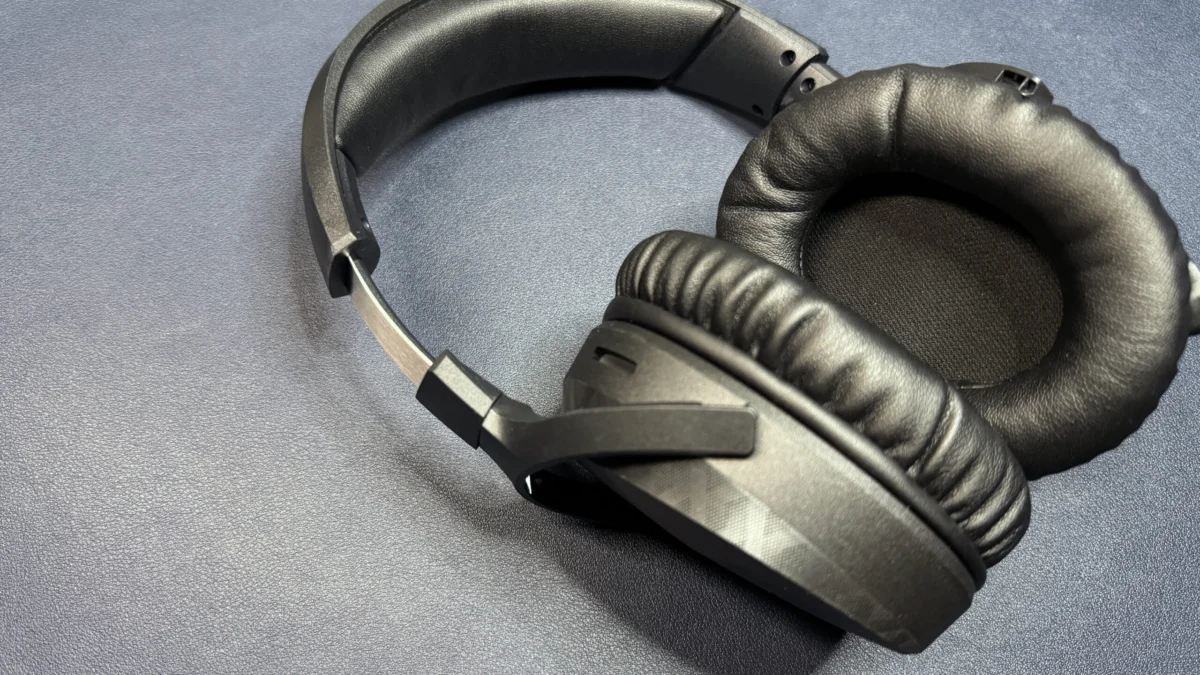
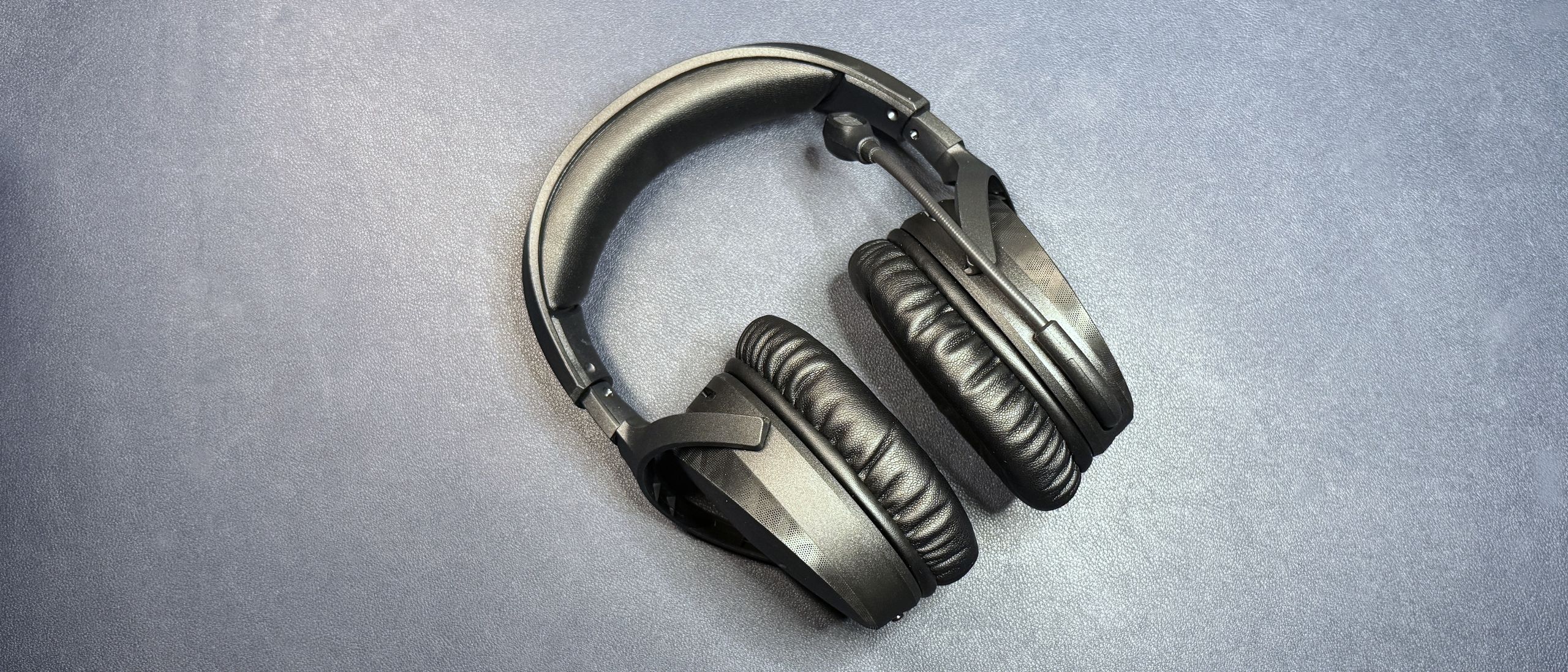
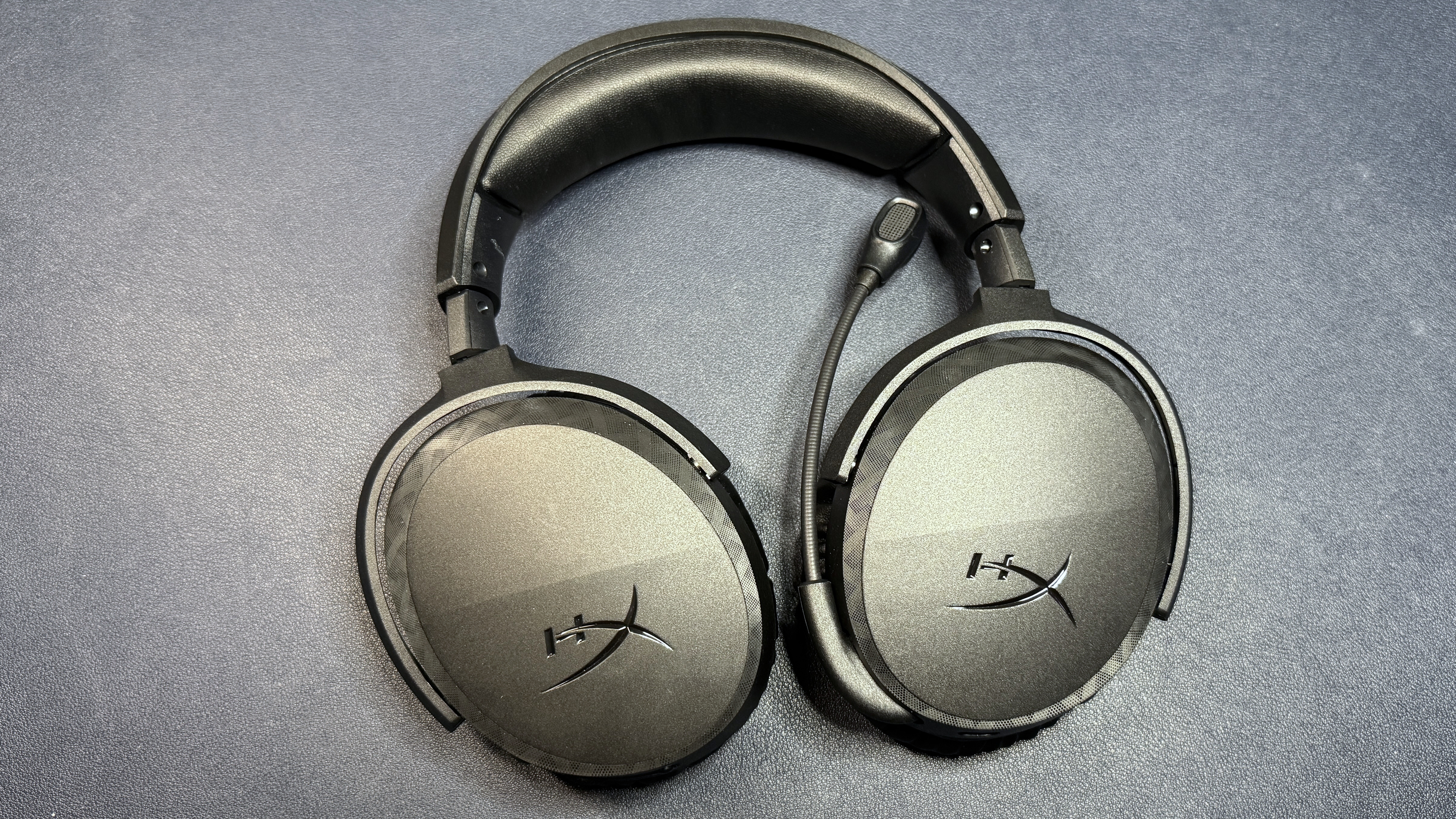
The Cloud Stinger 3 Wireless adopts an over-ear, circumaural design, ensuring full ear coverage and contributing to its excellent passive noise cancellation. The headset’s predominantly matte black plastic frame is accented by subtle machined texturing on the oval earcups and the debossed HyperX HX logo, giving it a distinct, albeit understated, gaming aesthetic. While the matte plastic finish might, to some eyes, suggest a "cheap" appearance, it’s a practical choice that contributes significantly to the headset’s remarkable lightness.
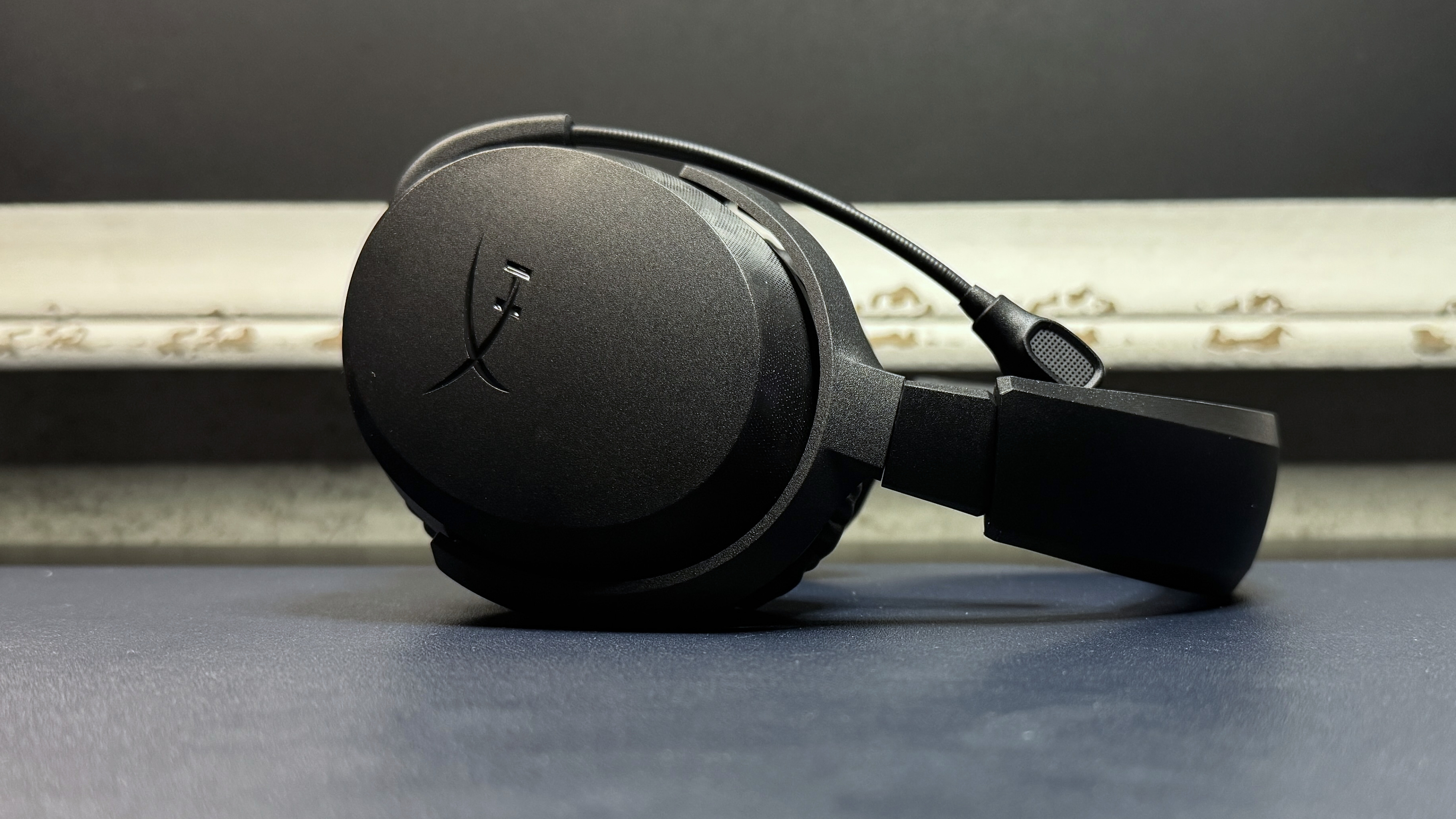
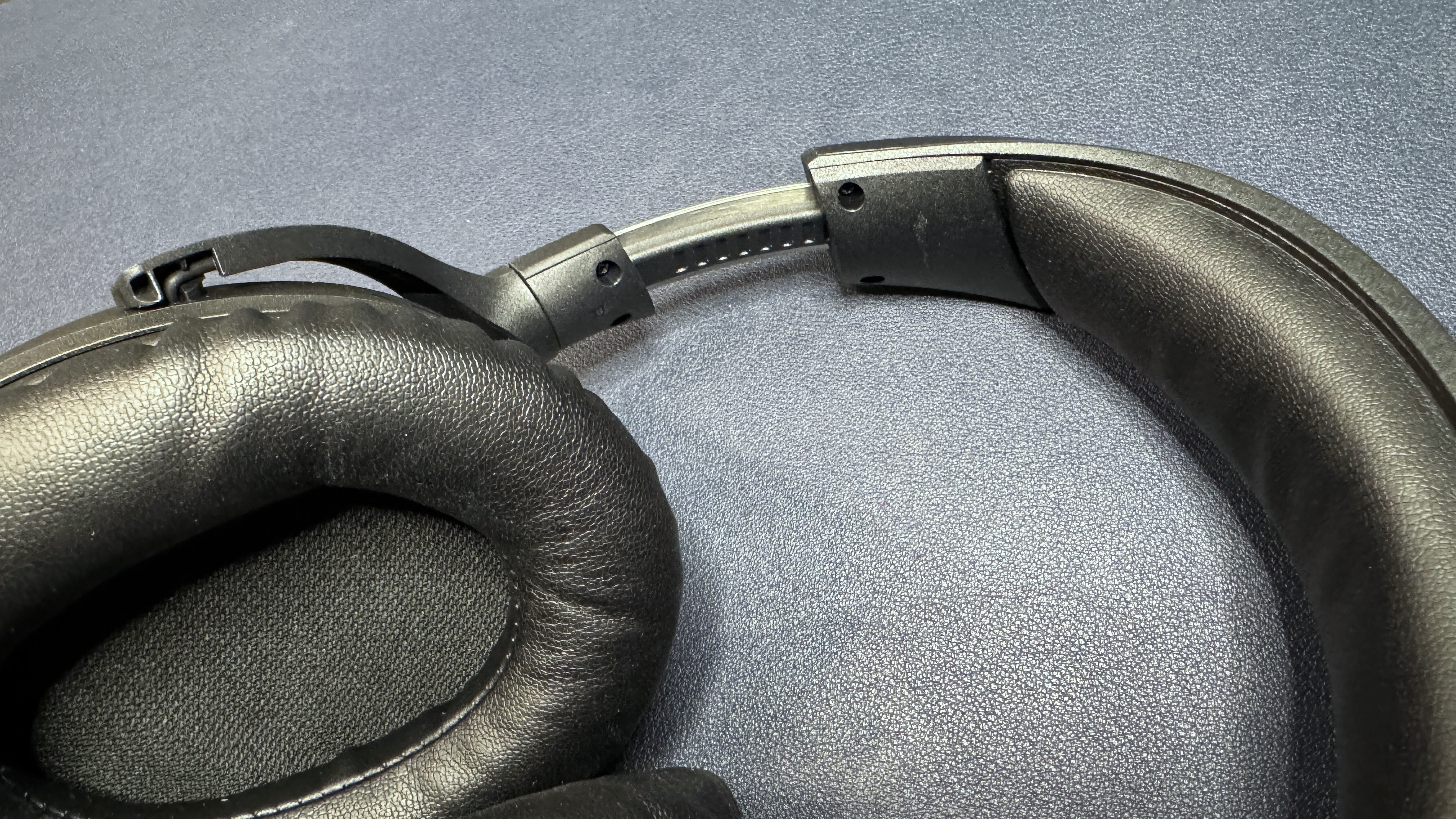
Crucial for durability are the stainless steel sliders integrated into the headband, which allow for independent height adjustment of each earcup. The earcups themselves offer 90 degrees of tilt and swivel, enabling flat storage—a convenient feature, though the absence of a travel bag or case means users will need to provide their own protection for portability. The real comfort comes from the generous padding: soft, leatherette-covered memory foam on both the earpads and the underside of the headband. This material choice not only feels premium against the skin but also plays a vital role in isolating the listener from ambient noise, enhancing immersion during gameplay or focus during calls.
Weighing just 10.1 ounces (286.5g), the Cloud Stinger 3 Wireless is remarkably light for a wireless headset. This positions it favorably against competitors such as the HyperX Cloud III S Wireless (12.05oz / 341.5g) and the Turtle Beach Atlas Air (10.61oz / 301g), both lauded for their comfort. While still heavier than some wired counterparts like the SteelSeries Arctis Nova 1 (8.3oz / 235g), its wireless freedom often outweighs this marginal difference in weight for many users. The headband’s adjustability, extending from approximately nine inches (228.6mm) to nearly 12 inches (304.8mm) with fully extended earcups, ensures a snug yet comfortable fit for a wide range of head sizes. Testers reported no issues wearing the headset for hours on end, a testament to its well-engineered ergonomics.
Intuitive Controls and Connectivity
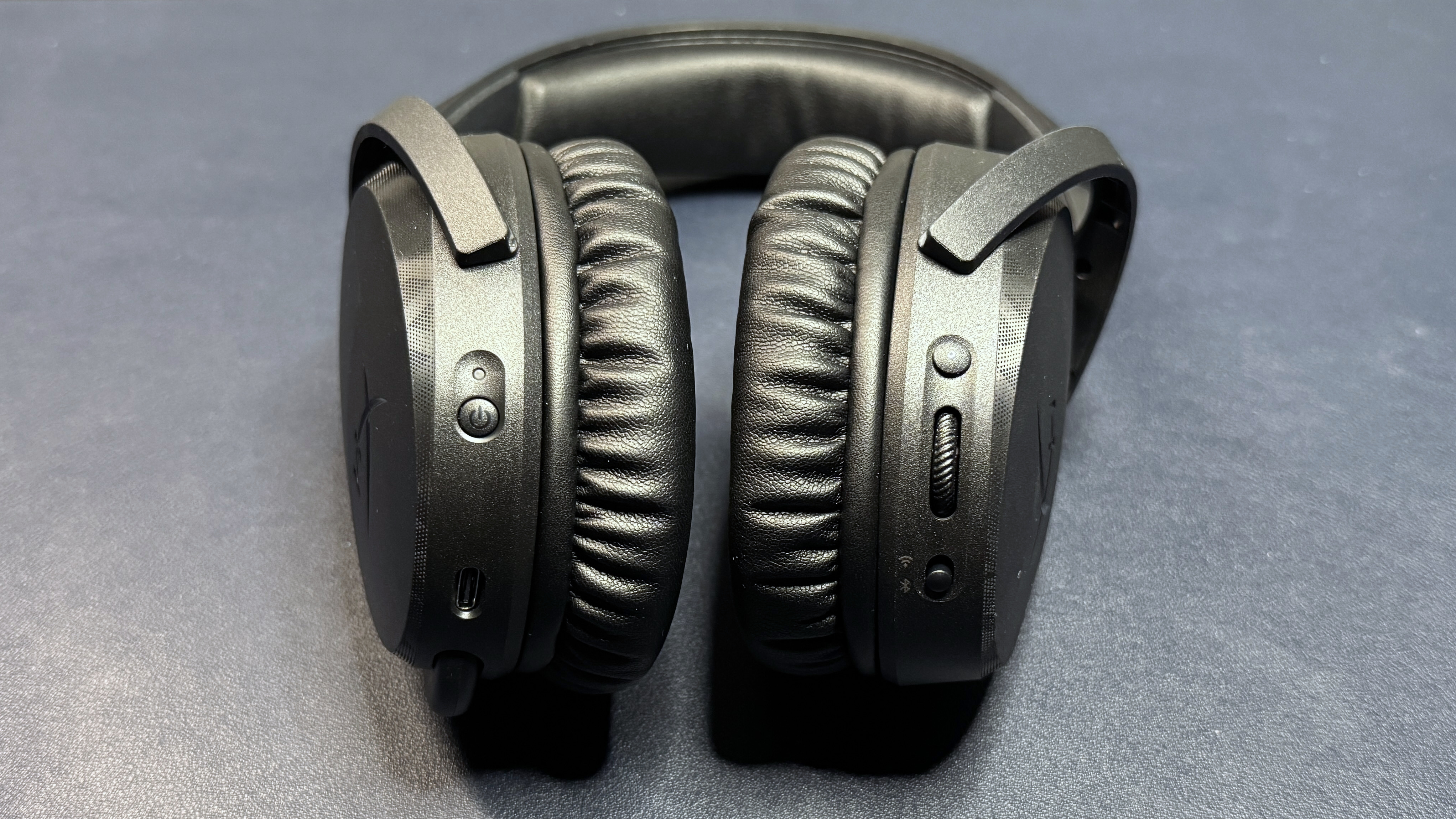
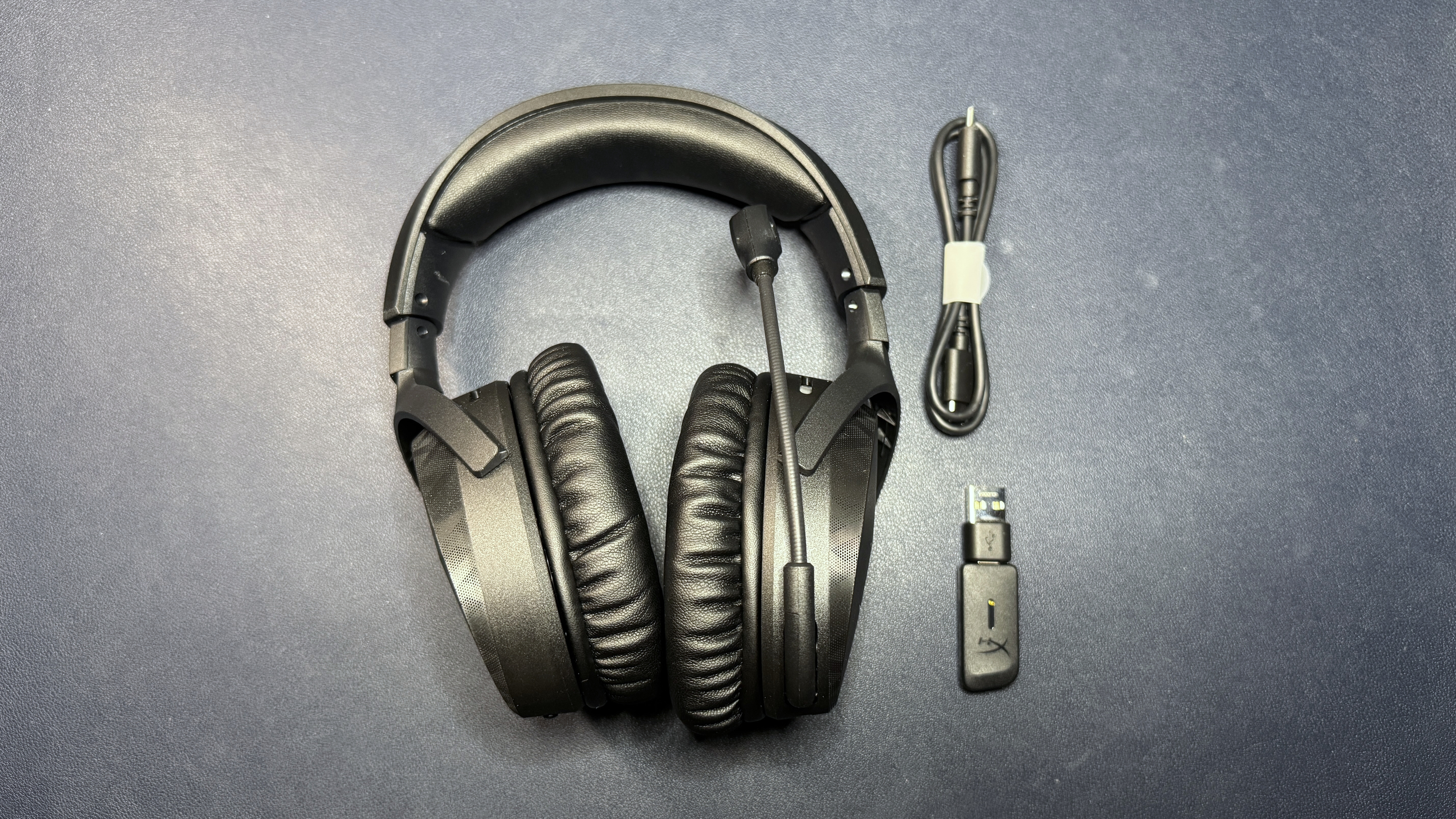
The on-ear controls are thoughtfully placed for ease of access. The left earcup houses the power button and a modern USB-C charging port, simplifying cable management. The right earcup is home to a multi-function button, a tactile volume wheel, and a mode switch. This switch is particularly useful, allowing users to effortlessly toggle between the low-latency 2.4GHz wireless connection (ideal for gaming) and Bluetooth (perfect for mobile devices or casual listening). The inclusion of a 1.6-foot (0.5m) USB-C to USB-C charging cable, a 2.4GHz wireless USB-C dongle, and a USB-C to USB-A adapter in the box ensures out-of-the-box compatibility with a broad array of devices.
Audio Performance: Clarity with a Neutral Palette
The Cloud Stinger 3 Wireless’s 50mm dynamic drivers deliver a frequency response range of 10 – 50,000 Hz. While the upper end of this spectrum extends far beyond human hearing, it theoretically allows for greater precision and detail within the audible range. In practice, the headset provides a "fairly neutral" sound profile.
During music playback, the bass response is described as "powerful-feeling without being muddy," offering a commendable balance. Tracks like Kaskade’s "POW POW POW" showcased robust low-end presence, while Lorde’s "Royals" revealed the full character of the kick drum. The mid- and high-ranges were clear, though some listeners might find them "a little too neutral" or "lacking in excitement" for certain music genres that thrive on exaggerated dynamics, such as high-energy EDM.
For gaming, the headset performs admirably. While its soundstage isn’t exceptionally wide, it excels at picking up intricate audio details in complex environments. In titles like Baldur’s Gate 3 and Uncharted 4, the headset accurately rendered layered audio cues, though very noisy scenes could lead to some blending of sounds. Directional audio, crucial for competitive gaming, was found to be accurate, albeit not as precisely pinpointed as in premium, performance-focused headsets like the Razer BlackShark V3 Pro.
The dual-wireless functionality, while not simultaneous, offers practical versatility. The 2.4GHz connection provides a stable, low-latency link vital for gaming, while Bluetooth serves well for casual tasks like taking calls or browsing social media, despite a slight compression in audio quality.
Microphone Quality: Functional and Clear
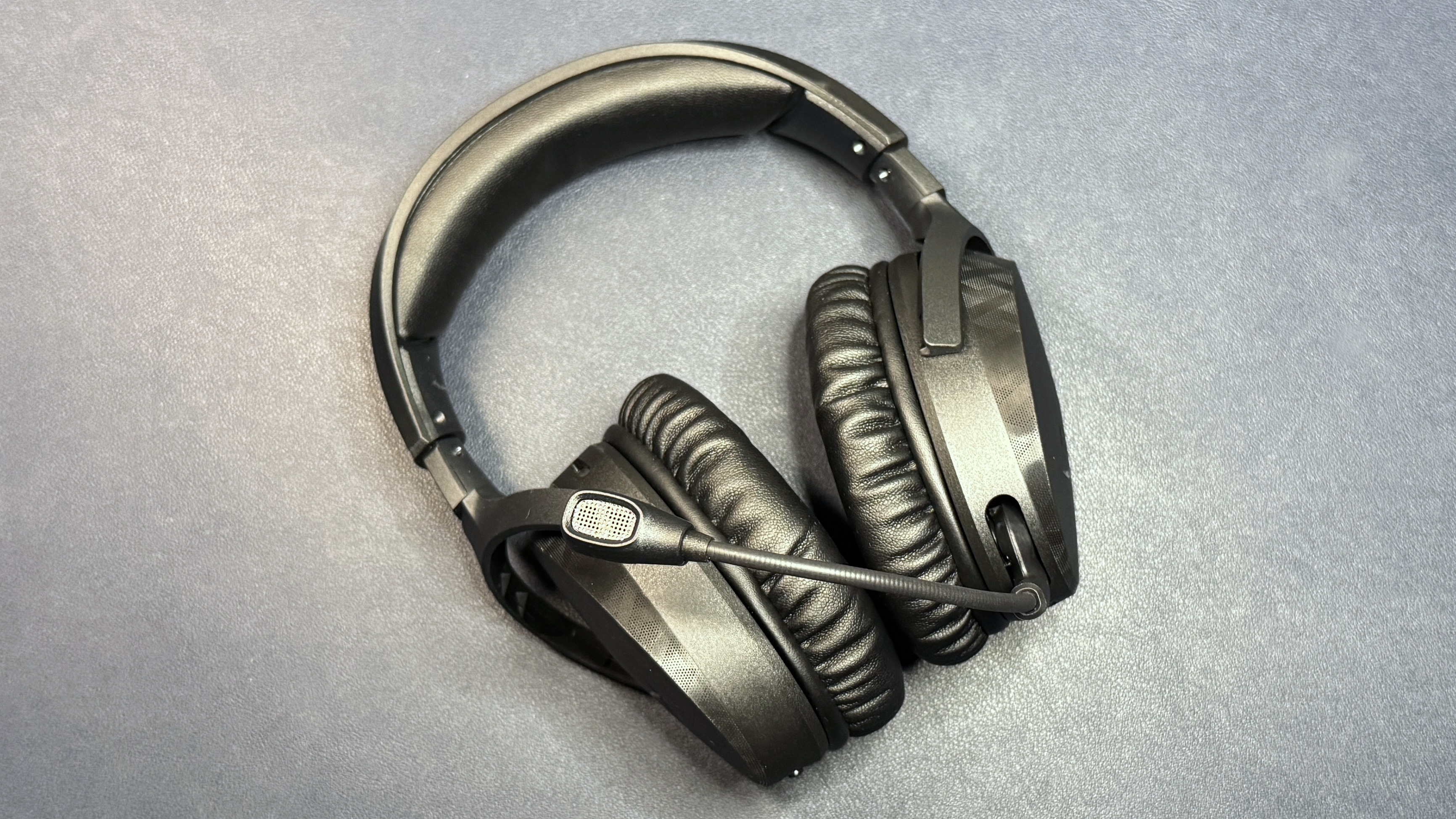
The non-detachable flip-to-mute boom microphone, housed on a flexible 3.5-inch (89mm) gooseneck arm, is a 6mm back electret condenser with a unidirectional polar pattern. This design effectively minimizes background noise, even without software-based cancellation. While it won’t elevate voices to professional podcasting quality, it delivers "loud and clear" vocals. The microphone’s output carries a "thin, slightly fuzzy quality" typical of headset mics, but it is more than adequate for in-game communication, virtual meetings, and casual calls with friends and colleagues. Its flip-to-mute mechanism is intuitive and provides immediate visual confirmation of mute status.
Official Responses: The Ngenuity Software Conundrum
A notable point of contention and a missed opportunity for the Cloud Stinger 3 Wireless lies in its software integration. HyperX explicitly states that the headset is configurable via its Ngenuity software. However, during testing, neither the latest nor the legacy versions of the Ngenuity software were able to detect the headset, whether connected wirelessly or via cable.
This lack of software recognition presents a significant obstacle for users who expect to customize their audio experience. Modern gaming headsets often rely on companion software for features like equalizers, spatial audio enhancements, microphone adjustments, and personalized profiles. While the headset functions "flawlessly out of the box" with default voice prompts for connection status and battery life, the inability to access Ngenuity means crucial features, such as HyperX’s boasted software-based spatial audio, remain inaccessible. The inability to tweak the EQ, for example, prevents users from fine-tuning the sound profile to emphasize critical in-game cues like footsteps, which can be a competitive advantage.
From a journalistic perspective, this is a glaring omission that HyperX needs to address promptly. It detracts from the overall value proposition, especially when competitors offer more robust and functional software experiences. While HyperX’s Ngenuity software has historically been criticized for being somewhat basic, its complete non-functionality with a new product is a serious issue that could impact user satisfaction and product perception. An official statement or an urgent software update from HyperX addressing this compatibility problem would be highly beneficial for consumers.
Implications: Reshaping the Mid-Range Market and HyperX’s Strategy
The HyperX Cloud Stinger 3 Wireless carries significant implications for both the wireless gaming headset market and HyperX’s strategic positioning.
Market Disruption and Competitive Landscape:
At $99.99, the Cloud Stinger 3 Wireless enters a fiercely competitive segment, but it does so with a distinct advantage: its exceptional battery life and solid audio performance. Many headsets in this price range often compromise heavily on one or more of these aspects. The 80-hour battery life, in particular, is a game-changer, setting a new standard for what consumers can expect from a sub-$100 wireless headset. This forces competitors to either match HyperX’s value proposition or risk being outpaced. While its design might be considered "a little cheap" and its sound profile "a little boring" compared to more characterful (and often more expensive) alternatives like the $120 Corsair Void Wireless v2, the Stinger 3 Wireless prioritizes core functionality and reliability. It proves that wireless freedom and endurance don’t have to be luxury features.
Target Audience and Value Proposition:
The headset is ideally suited for a broad audience. Casual gamers who desire wireless freedom without a hefty investment will find its comfort and long battery life appealing. Students or professionals who blend gaming with virtual meetings will appreciate its dual-wireless connectivity and functional microphone. It’s also a strong contender for those seeking a reliable, no-frills wireless headset that just works, especially if they are less concerned with intricate software customization or a flashy aesthetic. The headset’s "worth the price" verdict underscores its strong value proposition, particularly for those prioritizing performance and battery life above all else in the mid-range category.
HyperX’s Strategic Direction:
The release of the Cloud Stinger 3 Wireless signals HyperX’s continued commitment to accessibility and value. By integrating features previously reserved for higher-end models into a more affordable package, HyperX is actively expanding its market reach and reinforcing its brand image as a provider of quality gaming peripherals for all budgets. The emphasis on core performance metrics like audio quality, comfort, and battery life, even at the expense of advanced software features (at least until the Ngenuity issue is resolved), suggests a pragmatic approach to product development.
However, the software compatibility issue remains a critical area for improvement. In an ecosystem increasingly reliant on personalization and fine-tuning through software, HyperX risks alienating a segment of users who expect these capabilities. Resolving this would unlock the headset’s full potential, allowing users to experience the touted spatial audio and customize their sound to their preferences.
In conclusion, the HyperX Cloud Stinger 3 Wireless is a commendable effort to deliver a feature-rich wireless gaming headset at an accessible price. Its extraordinary battery life and impressive comfort set it apart, making it a compelling choice for anyone in the market for a reliable wireless gaming solution. While its aesthetic and audio profile lean towards neutrality and the software issue needs urgent attention, its core strengths undeniably make it a significant contender in the entry-to-mid-range wireless headset segment.

