


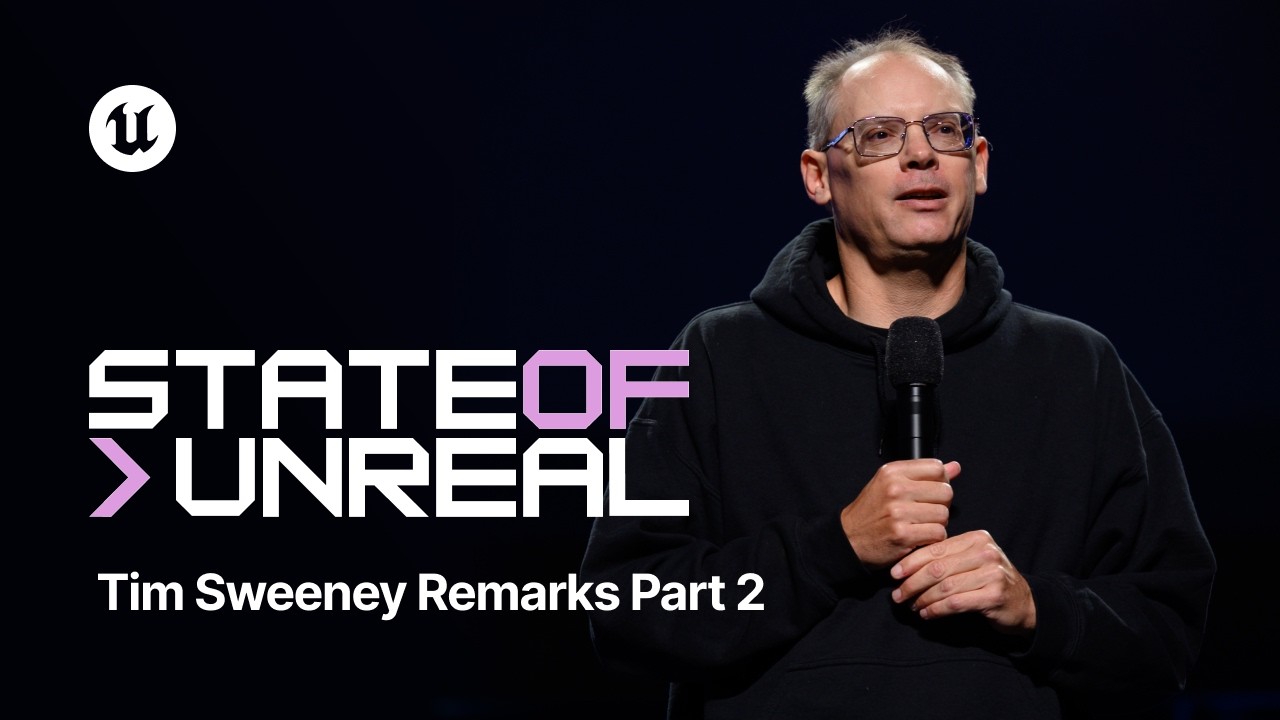
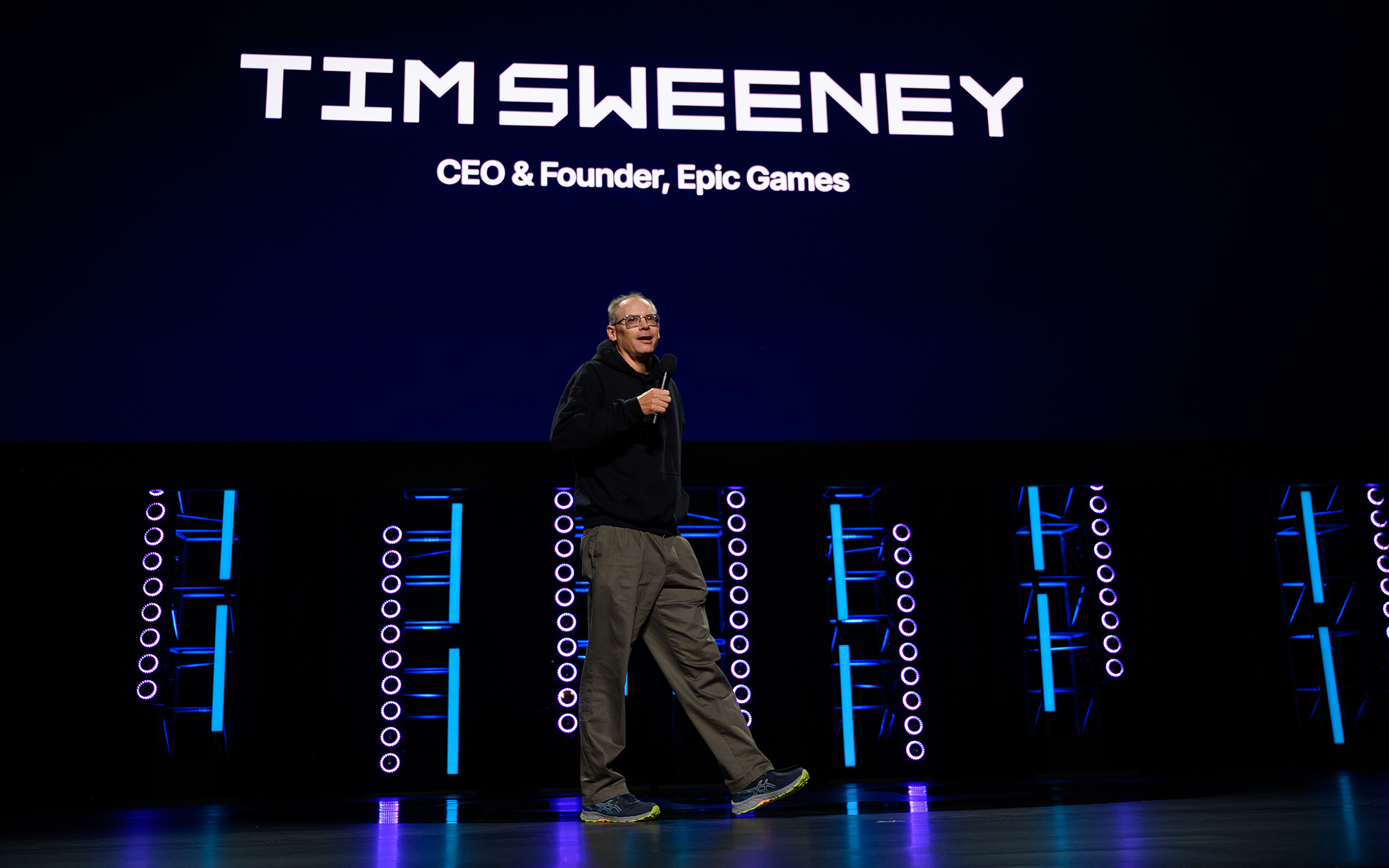
At the recent Unreal Fest in Chicago, Epic Games CEO Tim Sweeney stood before a room of industry leaders and developers to unveil a vision that feels less like a traditional software update and more like a manifesto for the future of the medium. With the announcement of Unreal Engine 6 (UE6), Epic is pivoting away from the industry-standard pursuit of ever-more-realistic rendering and lighting toward a more radical goal: the creation of a unified, interoperable digital ecosystem.
The core of the "masterplan" is a structural merger between Unreal Engine 5 and the Unreal Engine for Fortnite (UEFN) toolset. Epic’s goal is to enable "content, code, and economies to become portable and interoperable across games, ecosystems, and engines." In an era where AAA development costs are spiraling into the hundreds of millions and player attention is increasingly fractured, Sweeney is calling for a "Team Open" initiative—a call to arms for the industry to move past the "walled garden" mentality that has dominated the last two decades of gaming.

A Chronology of Industry Friction
The gaming industry’s current malaise is, according to Sweeney, a direct result of historical fragmentation. In the 1980s and 90s, the tech industry faced a similar hurdle: every company had a proprietary email system, and no one could communicate across different networks. The solution was the standardization of email protocols, creating the "at" (@) symbol system that allowed users from any provider to connect.
Sweeney argues that gaming is at a similar inflection point.

- The Early Era: Gaming was siloed by hardware, with consoles acting as distinct islands.
- The Modern Era: While cross-play has bridged the hardware divide, the social and economic layers remain fractured. If a player moves from Fortnite to Apex Legends, they lose their friends list, their identity, and the value of their in-game investments.
- The "Team Open" Proposal: Epic is now advocating for a cross-publisher, cross-platform social and economic standard. This would allow players to maintain a persistent identity—a "Tim@Epic" or "Tim@Xbox" handle—that functions across any participating ecosystem, effectively ending the era of the "mini gatekeeper."
The Economic Imperative: Why Interoperability Matters
Critics have often compared these ambitions to the failed promises of the blockchain/NFT era, where the idea of "porting a sword from a Ubisoft game to an EA game" was met with widespread skepticism. However, Sweeney distinguishes his vision from those past fads by focusing on the "social substrate" and the economy of scale rather than the speculative value of digital assets.
"It’s now clear that nobody’s going to end up with an absolute monopoly over gaming," Sweeney noted in our interview. "Sony is not going to have one, Microsoft’s not going to have one, Valve’s not going to have one. The thesis to connect becomes ever stronger."
In this climate of economic downturn and mass layoffs, the value of connecting is higher than the value of remaining separate. For small to mid-sized developers, the ability to launch a game that can tap into an existing social graph—or participate in a shared economy of cosmetics and emotes—could be the difference between a project’s success and its collapse.
The Valve Question and Store Reform
Central to this vision is the elephant in the room: Valve’s Steam. While Steam is the undisputed juggernaut of PC gaming, it remains a closed, platform-centric experience. When asked if he could envision a "Team Open" that includes Valve, Sweeney was pragmatic but hopeful.

"They have a nice thing going on on PC, but they reach what percentage of the PC audience? They don’t reach the Fortnite audience, they don’t have Riot’s games, they don’t have Genshin Impact," Sweeney pointed out.
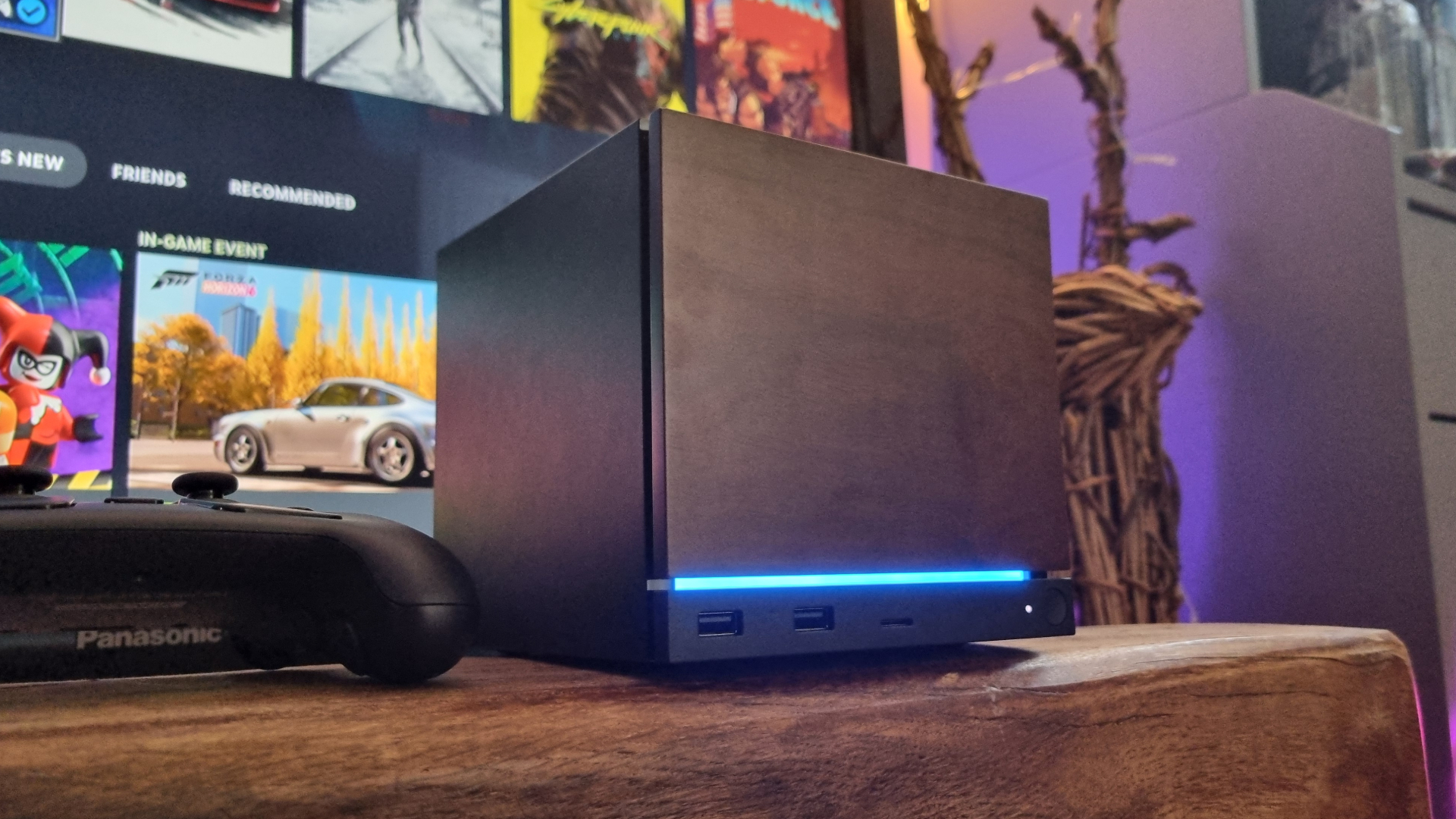
Simultaneously, Epic is working to fix its own house. The Epic Games Store, long criticized for its sluggish performance, is undergoing a complete structural overhaul. Sweeney admits that the current launcher is a source of frustration and that the team is focused on making it "snappier and more efficient," with better social features that mimic the seamlessness of Steam’s chat-to-game flow.
AI: Productivity vs. The "Scarlet Letter"
Perhaps the most contentious aspect of Epic’s new roadmap is the integration of generative AI. During Unreal Fest, Epic demoed tools that allow developers to design entire cityscapes via text prompts and asset manipulation. While the developer community is split—with many fearing that AI-driven assets rely on non-consensual training data—Sweeney maintains that the industry cannot afford to reject these tools.
"It’s impossible to reconcile the idea that developers shouldn’t use productivity-improving tools with the state of the industry," Sweeney said. "We’ve got to find greater means of efficiency."

He draws a distinction between "prompt-to-game" solutions—which he believes are currently impossible—and "acceleration tools" that handle the "drudge work" of moving vertices and polygons. He likens AI to the reference libraries and anatomy books that artists have always used for inspiration.
However, Sweeney is highly critical of Valve’s approach to AI disclosures on Steam. He views the requirement for developers to disclose AI usage as a "Scarlet Letter" that invites "hater communities" to mobilize against games before they are even released. He argues that this makes it exponentially harder for indie developers to compete against incumbents, as they are forced to choose between efficiency and public backlash.
Implications for the Future of AAA Development
The "AAA problem"—where titles like Concord cost hundreds of millions and vanish overnight—is a central concern for the industry. Sweeney believes that the only way to avoid the total collapse of high-budget gaming is to lower the barrier to entry through better tools and shared ecosystems.
"If gamers deny those developers access to the best tools that enable them to make the best games most efficiently, all of those companies will die," he warned.
The strategy for Unreal Engine 6 is to take the lessons learned from the "live service" operation of Fortnite and bake them into the engine itself. By moving the account linking, social protocols, and economic infrastructure from the game level to the engine level, Epic hopes to provide a standardized toolkit that any developer can adopt.
The Road Ahead
As we look toward the future, the definition of a "game" is shifting. It is no longer just a discrete, finite experience; it is an entry point into a broader digital life. While the dream of a fully interoperable "metaverse" may still feel like a distant, perhaps even utopian, ideal, Epic Games is clearly betting that the sheer economic pressure on developers will force the industry to abandon its silos.

For players, the promise is a more frictionless existence—one where their social connections, their digital identity, and their investments move with them. For developers, it is a chance to move away from the "mini gatekeeper" era and toward a more cooperative model.
"Every company wanting to become its own mini gatekeeper has played out," Sweeney concluded. "It’s just annoying people now, and joining forces would be better than everybody trying to go their own way."

Whether the rest of the industry—including titans like Sony, Microsoft, and Valve—will agree to this new social contract remains to be seen. But with the announcement of Unreal Engine 6, the gauntlet has been thrown down. The era of the "closed system" is under siege, and the push for an open, interconnected gaming world is no longer just a philosophical stance; it is the cornerstone of Epic’s survival strategy for the next decade of interactive entertainment.

