

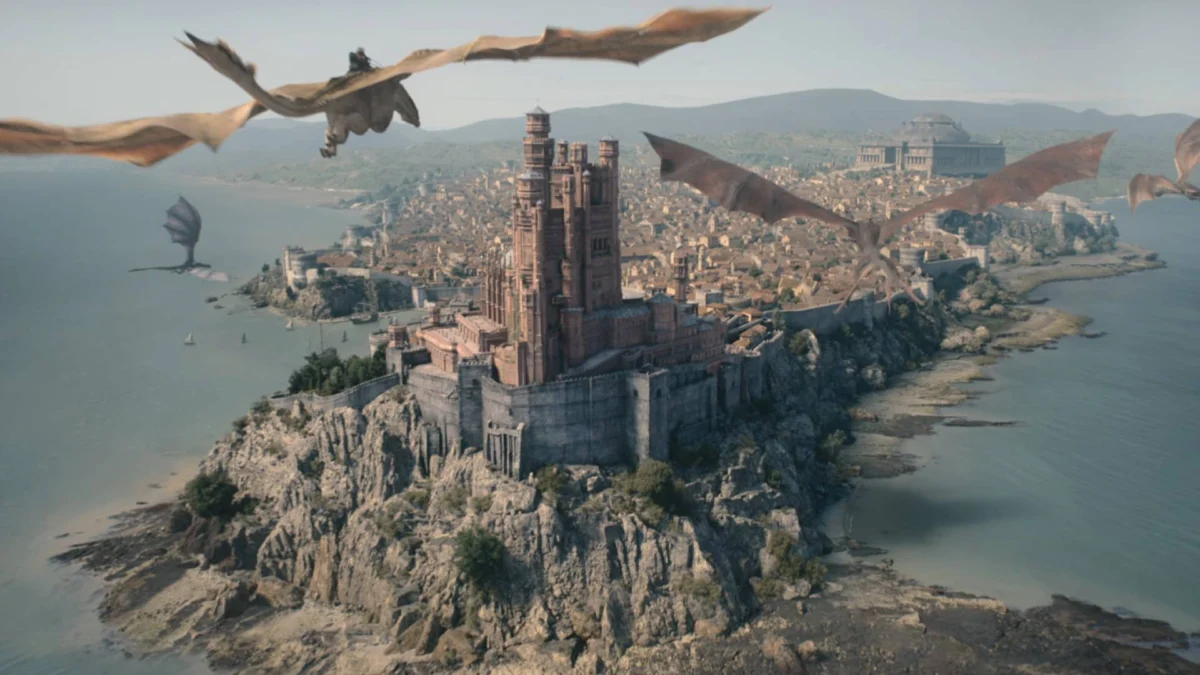
The premiere of House of the Dragon Season 3 has reignited the fervor of the Game of Thrones fandom, not merely through its political machinations and visceral tension, but through a single, fleeting image that has sent shockwaves through the community. Midway through the first episode, a brief yet majestic shot reveals a dragon unlike any seen previously in the series: a creature defined by striking cobalt-blue scales and a grace that contrasts with the hulking, battle-scarred forms of Vhagar or Vermithor.
This "Blue Queen" is not merely a visual flourish. Her appearance signals the long-awaited arrival of a pivotal player in the Targaryen civil war, known as the Dance of the Dragons. For viewers who have wondered why the Hightower family seemed to be lacking in aerial reinforcements despite their royal status, the answer has finally taken flight.
Main Facts: The Identity of the Blue Dragon and Her Rider
The mysterious blue dragon has been identified by scholars of George R.R. Martin’s Fire & Blood as Tessarion, often referred to by the epithet "The Blue Queen." Tessarion is a younger dragon, notable for her stunning coloration; her scales are a deep cobalt, while her underbelly, claws, and crest are the color of beaten copper. Even her dragonflame is said to match her scales, blooming in shades of bright cobalt blue.
Tessarion is bonded to Prince Daeron Targaryen, the fourth and youngest child of Queen Alicent Hightower and the late King Viserys I Targaryen. While his siblings—Aegon, Helaena, and Aemond—have been central figures since the show’s inception, Daeron has remained an off-screen enigma for the first two seasons.
The Missing Prince
Daeron Targaryen’s absence has been a point of contention and confusion for many fans. In the lore, Daeron was sent to Oldtown at a young age to serve as a cupbearer and squire to his mother’s cousin, Lord Ormund Hightower. This tradition of fostering royal children with powerful bannermen is common in Westeros, serving to strengthen political ties. However, in the context of the show, his absence during the death of his father and the subsequent coronation of his brother Aegon II felt conspicuous.
The sighting of Tessarion in Season 3, Episode 1, confirms that Daeron is no longer a mere footnote in the show’s dialogue. He is now a mobilized asset of the "Green" faction, representing the military might of the Reach and the Hightower interest in the south.
Chronology: The Slow Reveal of the Fourth Son
The path to Daeron and Tessarion’s debut has been one of the most deliberate "slow burns" in modern prestige television.
Season 1: The Invisible Child
Throughout the first season, Daeron was never mentioned by name. As the time jumps progressed and Alicent’s children grew, many fans assumed the showrunners had consolidated his character into Aemond or Aegon to simplify the narrative. However, George R.R. Martin eventually clarified on his personal blog that Daeron did indeed exist in the show’s universe, he was simply "away at Oldtown."
Season 2: The Name and the Tease
In Season 2, the mentions of Daeron became more frequent and pointed. Gwayne Hightower, Alicent’s brother, provided updates on the boy’s temperament, describing him as "kindly" and "stalwart"—a stark contrast to the volatile Aegon and the vengeful Aemond. The Season 2 finale offered a blink-and-you’ll-miss-it shot of a dragon’s wing soaring over a marching army, which we now know was the first glimpse of Tessarion.
Season 3, Episode 1: The Confirmation
The premiere of Season 3 moves beyond teases. The shot of Tessarion positioned within the camp of the Hightower host, led by Ormund Hightower (portrayed by James Norton), establishes the dragon as a tactical reality. The host is currently marching from Oldtown toward the central theaters of war, and Tessarion serves as their primary aerial defense and psychological deterrent.
Supporting Data: Dragon Logistics and Strategic Balance
To understand the significance of Tessarion’s arrival, one must look at the current "dragonmath" of the civil war.
| Dragon | Rider | Faction | Size/Status |
|---|---|---|---|
| Vhagar | Aemond Targaryen | Green | Colossal; the largest living dragon. |
| Sunfyre | Aegon II Targaryen | Green | Medium; currently incapacitated (Rook’s Rest). |
| Dreamfyre | Helaena Targaryen | Green | Large; rarely flies in combat. |
| Tessarion | Daeron Targaryen | Green | Small/Medium; highly maneuverable. |
| Syrax | Rhaenyra Targaryen | Black | Large; formidable but defensive. |
| Caraxes | Daemon Targaryen | Black | Large; highly experienced in war. |
| Vermax | Jacaerys Velaryon | Black | Small/Medium. |
While Team Black (Rhaenyra’s faction) initially held a significant numerical advantage in dragons—further bolstered by the "Sowing of the Seeds" in Season 2 which saw new riders claim Vermithor and Silverwing—the Greens have been desperate for a mobile strike force.
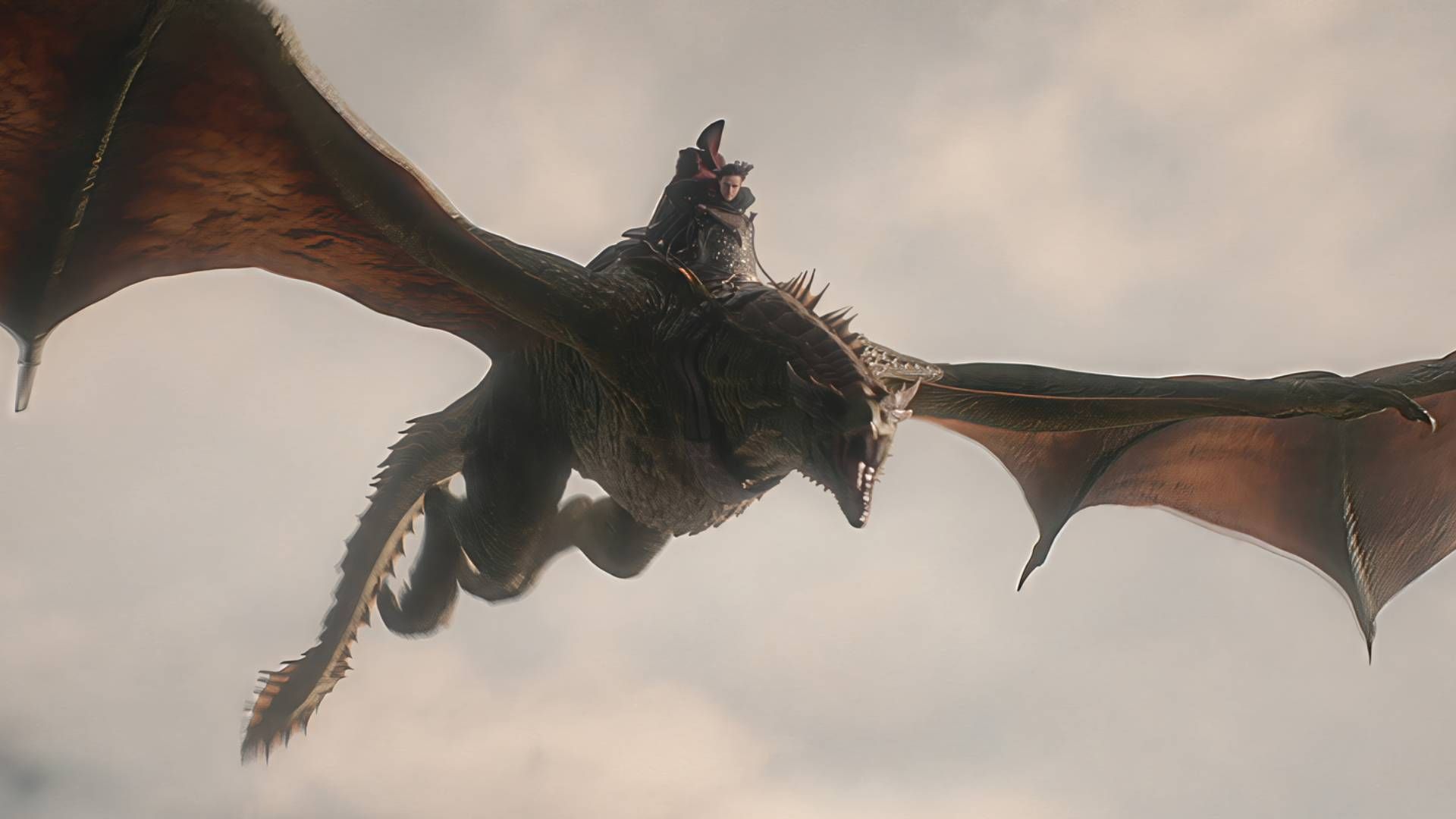
Vhagar is a nuclear deterrent, but she is slow and can only be in one place at a time. With Aegon’s Sunfyre out of commission after the Battle at Rook’s Rest, the Greens lacked a dragon that could provide air support for their ground armies in the south. Tessarion fills this vacuum. Though she is younger and smaller than the likes of Caraxes, her speed and the sheer fact of her presence change the calculus of the war in the Reach.
Official Responses and Production Insights
The decision to delay Daeron’s introduction was a calculated risk by showrunner Ryan Condal. In various interviews, Condal has addressed the "Daeron Question," explaining that the character simply didn’t have a natural place in the early court drama of King’s Landing.
"We wanted to ensure that when Daeron arrived, it felt earned and that the audience understood the geography of the war," Condal stated in a recent press junket. "He has been growing up in Oldtown, becoming a man in a different environment than his brothers. His arrival marks a new chapter where the war expands beyond the Crownlands."
George R.R. Martin has also been vocal about the character’s importance. Writing on his "Not A Blog," Martin noted that Daeron provides a necessary foil to the rest of the Hightower-Targaryen children. He represents the "gentler" side of the family, making his eventual participation in the horrors of the Dance all the more tragic.
From a production standpoint, the design of Tessarion was a priority for the VFX team. Unlike the craggy, dinosaur-like appearance of Vhagar, Tessarion was designed to be "beautiful and deadly," utilizing iridescent textures to make her blue scales shimmer in the sunlight.
Implications: How the Blue Queen Changes the War
The introduction of Tessarion and Daeron Targaryen carries profound implications for the narrative trajectory of Season 3 and beyond.
1. The Opening of the Southern Front
Until now, the war has been focused on the Riverlands and the Gullet. With the Hightower army marching under the shadow of Tessarion’s wings, the Reach becomes a primary theater of conflict. This forces Rhaenyra to divert resources south, potentially thinning her defenses at Dragonstone.
2. The Internal Dynamics of Team Green
Daeron’s arrival will inevitably shift the power balance within Alicent’s family. Alicent, who has become increasingly disillusioned with the cruelty of Aemond and the incompetence of Aegon, may see Daeron as her last hope for a "worthy" successor or a moral compass for their cause. However, the tragedy of the Dance of the Dragons is that war corrupts even the most "kindly" of princes.
3. The "Blue" Aesthetic and Visual Storytelling
The visual of blue fire and blue scales introduces a new color palette to the dragon battles. To date, dragonflame has largely been depicted in traditional oranges and reds. A cobalt-blue flame represents not just a different chemical composition in the lore, but a visual marker of the Hightower’s specific brand of Targaryen power—one tied to the Starry Sept and the traditions of Oldtown.
4. Preparation for the "Honeywine"
Book readers know that Tessarion’s first major engagement is the Battle of the Honeywine. Without spoiling the outcome, the introduction of the dragon in Episode 1 suggests that this massive set-piece battle is likely the mid-season climax. It will be the first time the audience sees Daeron’s capabilities as a commander and Tessarion’s prowess in the sky.
Conclusion
The brief appearance of the blue dragon in the Season 3 premiere is more than an Easter egg for book fans; it is a declaration of war. As Tessarion takes to the skies, the scope of House of the Dragon expands, bringing in the last of the Targaryen children and setting the stage for a more complex, multi-fronted conflict.
The "Blue Queen" and her rider, the "missing" Prince Daeron, bring a sense of renewed mystery and dread to the series. In a world of fire and blood, the arrival of a new dragon is always a harbinger of change—and for the people of Westeros, that change is almost always written in ash. As Season 3 progresses, all eyes will be on the horizon, watching for the shimmer of cobalt scales and the terrifying beauty of blue dragonflame.

