

By Editorial Staff
December 20, 2021
In a poignant announcement that rippled through the independent gaming community on December 20, 2021, The Indie Game Website (IGW) officially confirmed it is entering an indefinite hiatus. For years, the platform stood as a bastion for developers working outside the AAA limelight and a launchpad for journalists finding their voices in a crowded media landscape. While the site’s archives will remain accessible to the public, the cessation of new editorial content marks the end of a significant chapter in digital games journalism.
The Main Facts: A Pivot in Independent Coverage
The decision to pause operations was confirmed by the site’s leadership, signaling a strategic shift for the parent company, Game If You Are. Known for its Metacritic-listed status and a steadfast commitment to the "indie" spirit, IGW carved out a niche that many larger publications ignored. By prioritizing games that were deemed "too small" or "too niche" for mainstream outlets, the site acted as a critical bridge between obscure developers and potential audiences.
While the publication is going dark, the ownership remains optimistic about the future. The core ethos that defined the site—a dedication to the underrepresented and the experimental—is expected to be carried forward through new initiatives under the Game If You Are umbrella in the coming year.
Chronology: From Launch to Legacy
To understand the weight of this closure, one must look at the timeline of the site’s trajectory:
- Foundation: The Indie Game Website was established with the specific mandate to provide comprehensive, exclusive coverage of the indie sector. It filled a void in an industry increasingly dominated by blockbuster marketing budgets.
- January 2020: The appointment of a new editor marked a shift in internal culture, placing a heavier emphasis on mentorship and the cultivation of emerging journalistic talent.
- Mid-2020 – 2021: Throughout the pandemic, the site became a vital touchpoint for indie developers who faced unprecedented challenges in visibility, serving as a reliable megaphone for titles that lacked traditional PR support.
- December 20, 2021: The final editorial post was published, confirming the transition into hiatus and inviting the community to look back on the site’s extensive archive.
Supporting Data: The Impact of Niche Journalism
The influence of The Indie Game Website can be quantified by its editorial strategy, which deliberately defied the trends of "click-driven" journalism. Where other outlets chased the latest Call of Duty or Assassin’s Creed updates, IGW focused on deep-dives, developer interviews, and strategy guides for titles like Satisfactory and a variety of complex roguelikes.
Key Editorial Pillars:
- Developer Advocacy: By focusing on the "small," the site provided a platform for creators who were often ignored by major gaming outlets.
- Mentorship Initiatives: The editorial team made a conscious effort to mentor newer writers, often encouraging contributors to pitch ideas to other major outlets if the concept was deemed better suited for a broader audience.
- Archival Value: The site’s repository of guides and features remains a functional resource. As noted in the final editorial, the site’s Satisfactory tips and roguelike deep-dives continue to provide value to players, ensuring that the work is not "lost," but merely static.
Official Responses and Editorial Philosophy
In the final post, the site’s leadership reflected on the symbiotic relationship between the platform and its contributors. The outgoing editorial team emphasized that their pride was not derived from the site’s metrics, but from the professional development of its writers.
"My aim was to have the features on the website be the ones that nobody else would buy," the editor noted. "Not because they were bad, but because the game was too small, or the idea was too niche. That brings me a sense of pride in what IGW has done that can’t be topped by any of my other work in this industry."
The editorial team further expressed a commitment to continued mentorship. Even as the site goes dark, the leadership has extended an open invitation to writers seeking direction, advice, or career guidance, effectively transitioning from an editorial role to a community-support role.
Implications: The State of Independent Games Media
The closure of The Indie Game Website serves as a case study for the fragile nature of independent media. In an ecosystem that relies heavily on advertising revenue and algorithm-driven traffic, the cost of supporting "niche" content is often prohibitively high.
1. The Challenge of Sustainability
Independent media outlets face a paradox: they are essential for the health of the indie game industry, yet they are the most vulnerable to market fluctuations. When a dedicated outlet closes, the industry loses a specialized megaphone. The challenge remains for developers to find new avenues of discovery that do not rely solely on the largest, generalist publications.
2. The Role of "Ethos-Driven" Publishing
Game If You Are has signaled that the closure is not an end to the mission, but a transition. This suggests that the industry is moving toward a model where "media" and "advocacy" are more fluid. By moving away from the traditional daily-news grind, the parent company may be looking toward more sustainable, community-based support structures that don’t rely on the high-burnout cycle of daily editorial production.
3. The Call to Action
The final plea from the IGW team was simple: Support indie coverage wherever you find it. The loss of one outlet puts the onus on the community—readers and developers alike—to amplify the remaining voices in the space. Without a concerted effort to support independent journalism, the industry risks a "homogenization of coverage," where only the largest, most profitable games receive meaningful critical analysis.
Conclusion: A Fond Farewell
While the lack of new content is a blow to those who frequented the site for their daily dose of indie gaming news, the legacy of The Indie Game Website remains intact. It proved that a small, dedicated team could impact the industry’s discourse by being authentic, helpful, and, most importantly, interested in the stories that were often overlooked.
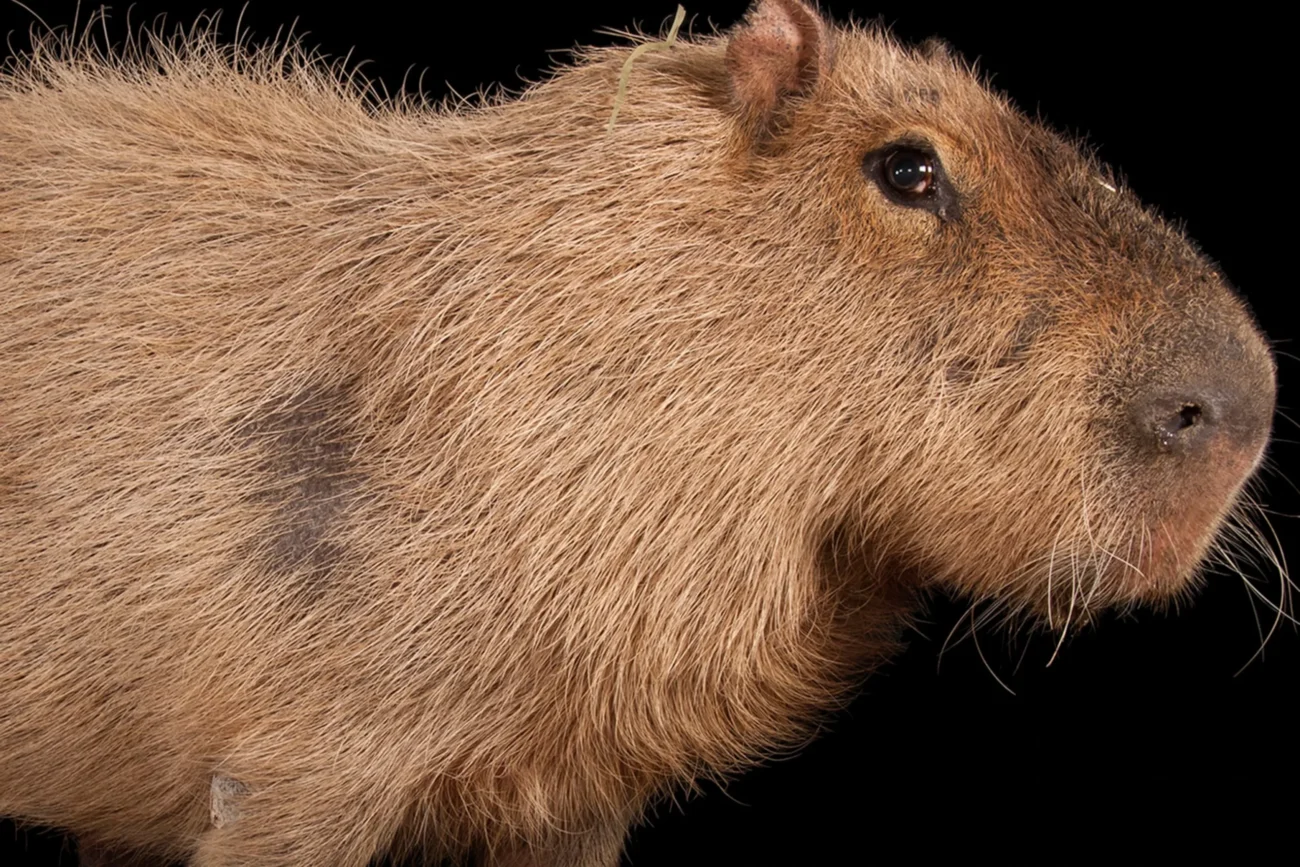
As the industry moves forward, the "capybara"—a tongue-in-cheek symbol of the site’s quirky, approachable nature—stands as a final reminder of the humanity behind the screen. The site has requested that readers continue to engage with their archives, ensuring that the work of the contributors lives on. As the editorial team steps back, they leave behind a blueprint for how to treat writers with respect and how to champion the creators who keep the gaming industry vibrant, experimental, and, above all, independent.
The industry is undoubtedly poorer for the loss of this unique voice, but the seeds of mentorship and advocacy sown by the IGW team will likely continue to bloom in the work of the journalists they trained and the developers they helped find an audience.

