

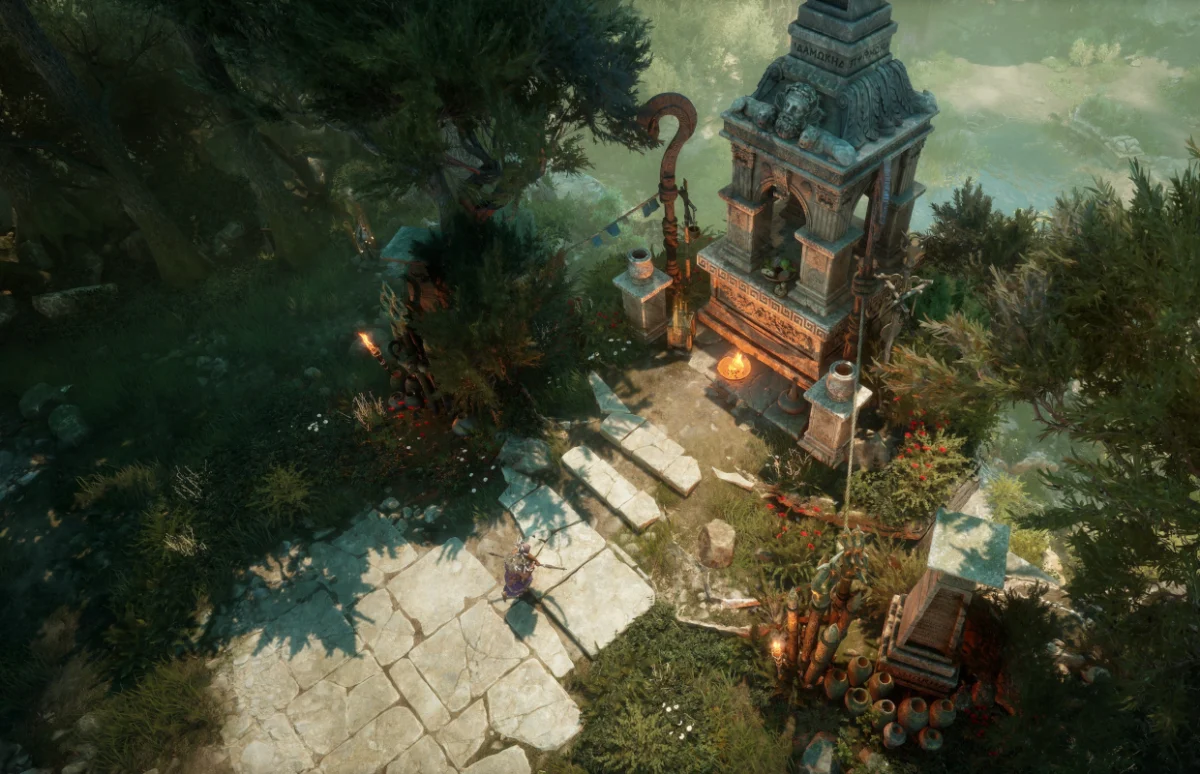
The action RPG landscape has seen a significant shift in recent months as THQ Nordic and developer Grimlore Games continue to refine their ambitious sequel, Titan Quest II. In a move that signals both the growing scale of the project and the studio’s commitment to community-driven development, the team has officially deployed the "Chapter 4" major update. This release, touted as the most expansive content drop since the game entered Early Access last August, introduces a sprawling new region known as "The Wild Lands," effectively reshaping the player experience and setting a new benchmark for the title’s evolving scope.
A New Frontier: Exploring the Wild Lands
The core of the Chapter 4 update is the introduction of The Wild Lands, a region designed to dwarf previous content offerings. According to developers at Grimlore Games, this is not merely a new map segment but a massive, interconnected open world divided into a variety of distinct biomes. Each biome is crafted with a unique visual and atmospheric "flavor," designed to challenge players with environmental diversity that forces them to adapt their tactical approaches.
Narratively, The Wild Lands represent a departure from the more structured, linear environments of earlier chapters. Players are invited to venture into depths where few mortals have dared to tread. The omnipresent threat of Nemesis, the Goddess of Retribution, remains a driving force in the story, but the update introduces a plethora of stranger, more primal threats that lurk within the untamed reaches of the map. This environmental storytelling aims to deepen the mystery surrounding the world of Titan Quest II, rewarding exploration with lore snippets and high-stakes encounters.
A Chronology of Growth: The Early Access Journey
To understand the magnitude of this update, one must look at the trajectory of Titan Quest II since its initial launch into Early Access in August. The developers have maintained a consistent, albeit aggressive, release cadence that has allowed them to iterate based on direct feedback from the player base.
- August: The Genesis. The game launched on PC via Steam and the Epic Games Store, providing players with the foundational mechanics of the sequel. Early impressions focused on the game’s combat fluidity and its modern interpretation of the classic Titan Quest formula.
- Late September: Chapter 2. Barely a month after launch, the first major content expansion arrived. This update introduced a brand-new region, signaling to the community that the game was not going to be a stagnant Early Access project but a living, breathing work-in-progress.
- February: Chapter 3. Building on the momentum of the second chapter, the February update added further depth to the narrative and gameplay loop, refining existing systems and expanding the world map.
- The Present: Chapter 4. The current update stands as the largest milestone to date. By focusing on a "massive open world" rather than just a linear progression path, Grimlore Games is demonstrating that they are listening to the community’s desire for more exploratory freedom and environmental variety.
The Evolution of Combat and Progression
A game is only as good as its threats, and Chapter 4 does not skimp on the challenge. Grimlore Games has implemented a significant overhaul of enemy variety. Existing factions—the groups of mythological foes that populate the world—have been bolstered with new creature types that possess distinct AI behaviors and combat abilities.
Beyond the standard mob variety, the update introduces a slate of "epic new bosses" and a substantial number of mini-bosses. These encounters are designed to test the limits of the player’s build. To match this spike in difficulty, the development team has introduced new progression opportunities and items. Whether through new gear tiers, unique modifiers, or expanded skill synergies, players are being given the tools to further specialize their characters. This synergy between player progression and enemy scaling is a critical component of the ARPG genre, and these additions aim to keep the "loot chase"—a staple of the Titan Quest legacy—feeling fresh and rewarding.
Official Perspectives: The Vision Behind the Wilds
In their communication accompanying the release, the team at Grimlore Games expressed a palpable sense of pride regarding the scale of this update. "This update contains the largest Chapter in Titan Quest II to date," the developers noted in an official statement. By framing the release as a direct response to player feedback, the team is fostering a collaborative environment.
THQ Nordic has further supported the launch with a deep-dive trailer, providing fans with a cinematic look at the biomes within The Wild Lands. This transparency serves a dual purpose: it builds excitement for prospective players who may be sitting on the fence, and it provides veteran Early Access participants with a roadmap of what to expect as they transition into the new content. The studio remains firm in its timeline, maintaining that Titan Quest II will spend at least a full year in Early Access. This extended window is a strategic decision, allowing the developers to polish the game’s core systems, address balance concerns, and ensure that the final product meets the high expectations set by the original 2006 cult classic.
Implications for the ARPG Market
The success of Titan Quest II in Early Access holds significant implications for the broader ARPG market. In an era where many titles suffer from "feature creep" or lack of post-launch support, the methodical, chapter-by-chapter expansion of Titan Quest II serves as a case study in effective live-service management.
Impact on Player Retention
By releasing content in discrete "chapters," the developers are able to manage the player experience more effectively. Rather than dumping the entire game at once, which could lead to player burnout or overwhelming complexity, the current model allows the community to master one region before moving to the next. This creates a rhythmic cycle of engagement: players return for each major update, test the new mechanics, and provide the data needed for the next round of balancing.
Technological Advancements
The transition to a larger, more complex open-world structure in Chapter 4 suggests that the game’s underlying engine and design architecture are scaling successfully. Managing various biomes, unique lighting conditions, and increased enemy density requires significant optimization. If the performance in The Wild Lands remains stable, it will likely bolster consumer confidence in the project’s technical foundation.
The Legacy Factor
Titan Quest is a legendary name in the action RPG genre. Living up to that legacy is a tall order. By embracing the feedback-heavy nature of Early Access, THQ Nordic is effectively crowdsourcing the "soul" of the game. They are not merely remaking the original; they are synthesizing the classic feel of the 2006 title with the modern expectations of persistent, evolving online experiences.
Conclusion: Looking Ahead
As the dust settles on the launch of Chapter 4, the eyes of the ARPG community remain fixed on what comes next. With a full year of development still ahead, there is ample room for further refinement of the game’s class systems, crafting, and endgame loops.
The Wild Lands are not just a collection of new assets; they are a statement of intent. They signal that Titan Quest II is growing in confidence and scale. For those currently exploring the game on Steam or the Epic Games Store, this update represents the most significant reason yet to jump back into the fray. As the journey toward the final release continues, one thing is certain: the gods of Olympus—and the developers at Grimlore—are far from finished with their masterpiece. The path ahead is dangerous, the enemies are becoming more cunning, and the world is growing ever wider, inviting every aspiring hero to leave their mark on the annals of myth.

